

Exploring Eco-Friendly 3D Filaments: Sustainable Printing Solutions
The world of 3D printing is endlessly fascinating, with the potential to turn imagination into reality, layer by layer. However, as we bask in the wonders of this technology, a pressing question looms over us: how can we ensure that our printing practices are as eco-friendly as they are innovative? Enter eco-friendly 3D filaments—a burgeoning category of materials designed to reduce our environmental footprint while still delivering high-quality prints. Let’s take a closer look at the options available, their benefits, and why they matter.
What Are Eco-Friendly 3D Filaments?
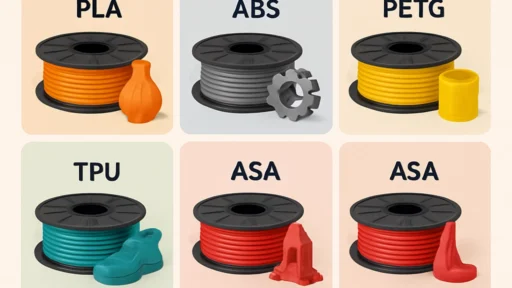
Eco-friendly 3D filaments are materials made from sustainable resources or designed to be biodegradable. Unlike traditional plastics that can sit in landfills for centuries, many of these innovative materials aim to minimize environmental impact. Common eco-friendly filaments include polylactic acid (PLA), which is derived from renewable resources like corn starch or sugarcane, and other bioplastics such as PHA (polyhydroxyalkanoates) or recycled PETG (the recycled version of PETG, which is typically used in packaging).
Not only do these materials help reduce waste, but they also often produce prints that are robust and versatile, making them suitable for a wide range of applications, from prototypes to final products.
Benefits of Eco-Friendly Filaments
-
Biodegradability: One of the most significant advantages of using eco-friendly filaments, particularly PLA, is that they are biodegradable under the right conditions. This means that, in environments with proper composting facilities, your printed objects can break down safely rather than lingering in a landfill.
-
Renewable Resources: As these filaments are made primarily from plant-based materials, they help reduce our reliance on fossil fuels. Using renewable resources can significantly decrease the carbon footprint associated with 3D printing.
-
Lower Emissions: When filament is printed, traditional thermoplastics can release volatile organic compounds (VOCs) and other harmful emissions. Eco-friendly options like PLA generally produce fewer emissions, making the printing process safer for both the environment and the individuals operating the printers.
-
Versatility and Quality: Many eco-friendly filaments offer surprisingly similar properties to their non-eco counterparts—strength, flexibility, and durability. This means you don’t have to sacrifice quality just to be more environmentally conscious!
The Growing Market
As awareness of environmental issues continues to rise, the demand for eco-friendly 3D printing materials is also growing. Manufacturers are responding with a wider range of options. For instance, filaments made from recycled plastics not only contribute to sustainability by reusing materials but also encourage a closed-loop system that is becoming increasingly popular.
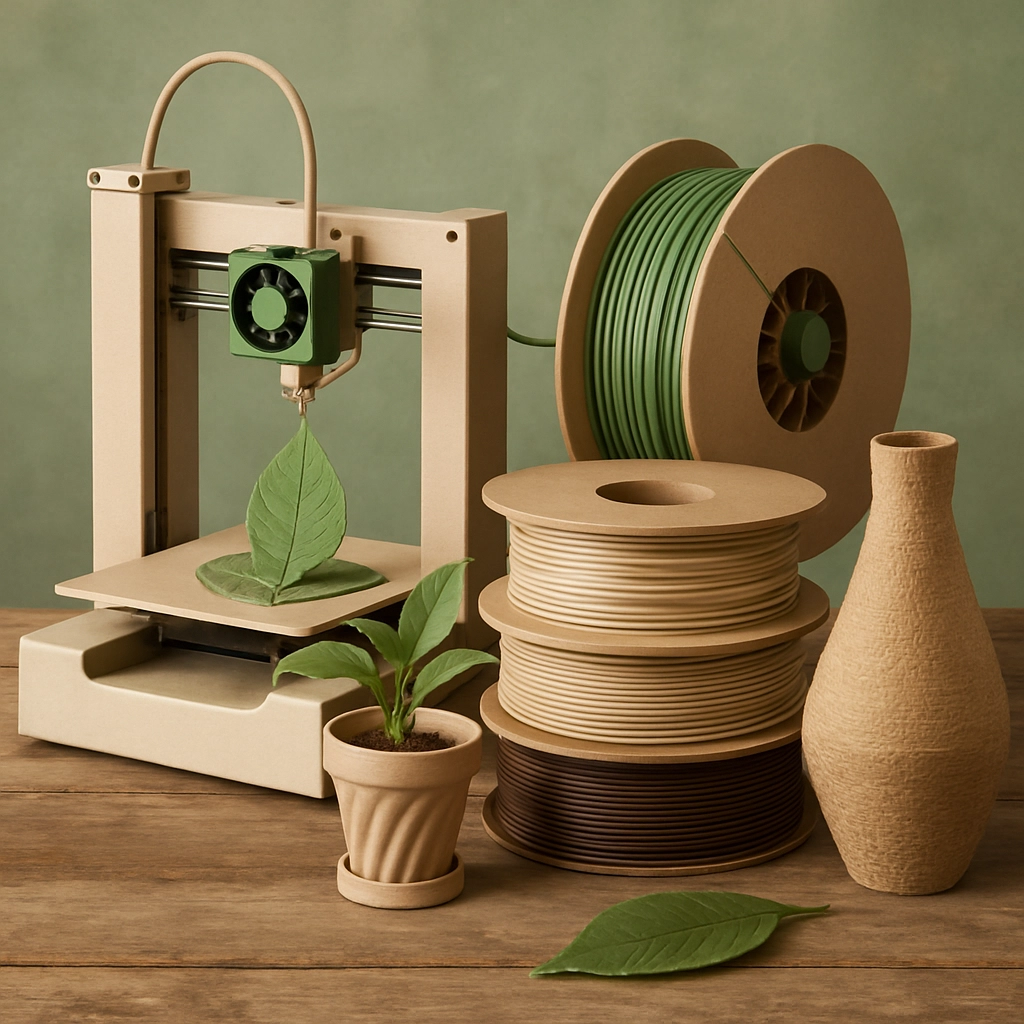
Brands are now launching specialty materials, such as wood or stone-infused filaments, which mimic the look of natural materials while still being biodegradable. It’s an exciting time to be in the 3D printing community, where creativity meets responsibility.
Choosing the Right Filament for Your Projects
With so many eco-friendly options available, you might wonder how to choose the best filament for your projects. First, consider the application of your printed object:
-
PLA is fantastic for general use and is ideal for prototypes, educational projects, and decorative items. Just keep in mind that it isn’t the best choice for items that will be exposed to high temperatures or moisture.
-
PETG (recycled) offers excellent strength and durability, making it suitable for functional parts and containers. It’s also resistant to impact and moisture, providing an excellent balance between usability and sustainability.
-
PHA is more flexible and can withstand higher temperatures than PLA, making it perfect for applications that require a bit more resilience while still being biodegradable.
Before you dive into printing, make sure to do a bit of research on the specific filament’s properties, as well as any required settings for the 3D printer. Some materials may require special handling or adjustments in temperature settings.
The Bigger Picture
Embracing eco-friendly 3D filaments is more than just a trend—it’s part of a larger movement towards sustainability in technology, manufacturing, and consumerism. Each small decision we make can contribute to a much larger impact, and as makers, hobbyists, and professionals, it’s essential to consider how our choices affect the world around us.
By choosing to print with materials that are kinder to the planet, we’re not only helping reduce waste and pollution but also paving the way for future innovations that prioritize sustainability. So next time you gear up for a new project, consider going green with your 3D printing! You’ll be making the world a little better, one layer at a time.