


Exploring the Benefits of Using Multi-Material Filaments in 3D Printing
3D printing has revolutionized the way we think about manufacturing, design, and creativity. From producing complex prototypes to crafting unique art pieces, the possibilities are endless. But with the options available, one particular trend is making waves in the 3D printing community: multi-material filaments. If you’re new to this world or just wondering what all the buzz is about, let’s dive into the benefits of using these versatile materials in your 3D printing projects!
What Are Multi-Material Filaments?
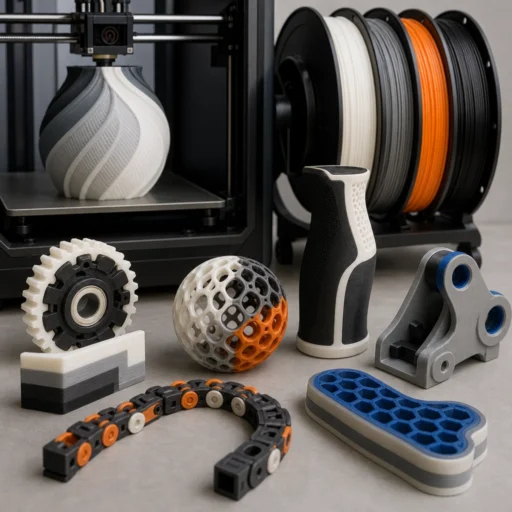
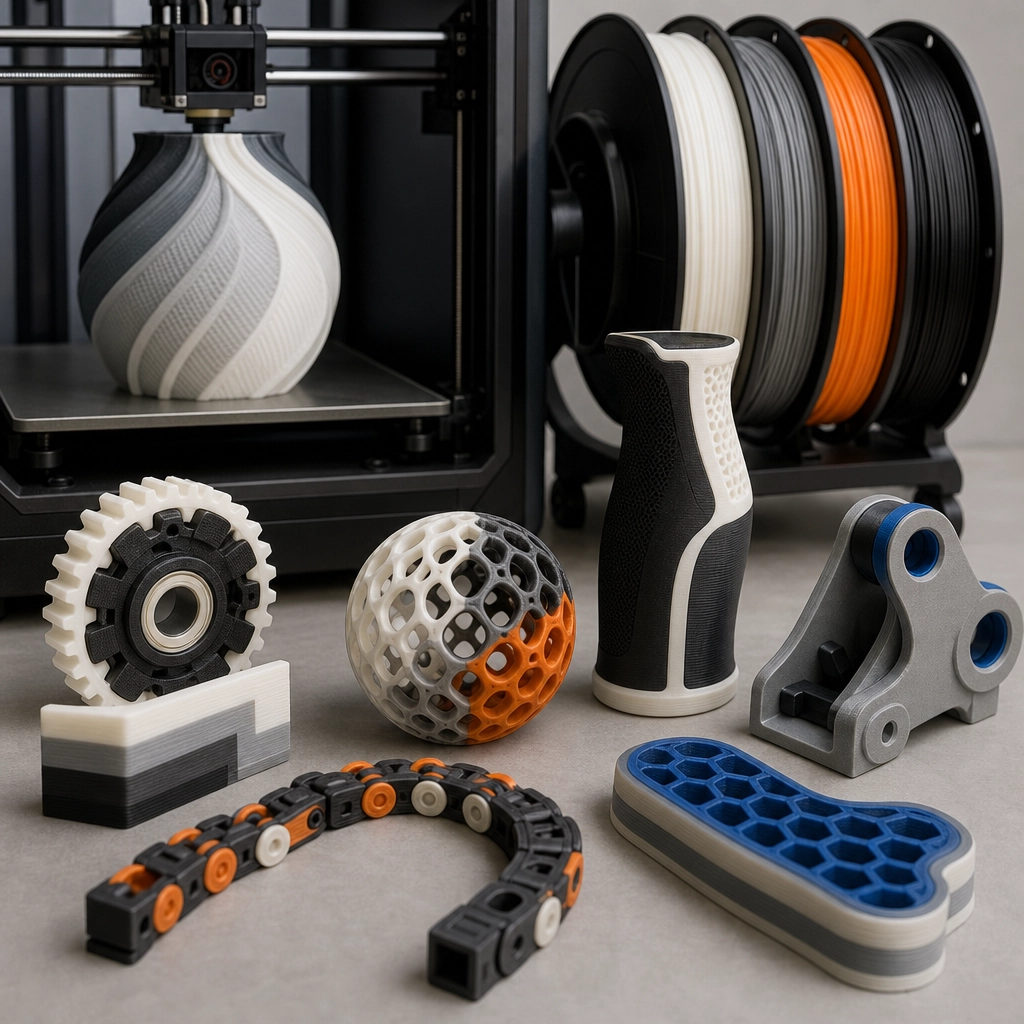
At its core, multi-material filaments are exactly what they sound like: materials that combine two or more types of filament into a single printing process. Instead of juggling several different spools or printers, you can create intricate designs that leverage the unique properties of each filament. For example, you might combine a flexible material with a rigid one to create a printed part that can bend and flex in some areas while remaining sturdy in others.
Enhanced Functionality
One of the standout benefits of multi-material filaments is their enhanced functionality. Consider a project that requires both flexibility and strength. With standard single-material prints, you might have to compromise on one aspect or the other. However, by using multiple materials, you can create a print that is more suited to its purpose. Imagine producing a phone case that is both stylish and shock absorbent, or a wearable gadget that conforms comfortably to your body. The dual properties allow for a more functional final product.
Aesthetically Pleasing Designs
Let’s face it: we all love a good-looking print! Multi-material filaments allow for stunning visual appeal by enabling color gradients or unique textures. You can print in vibrant colors or mix materials that provide different finishes, like glossy and matte, on the same object. This means you can craft eye-catching prototypes and models that stand out not just in utility but also in beauty, capturing attention in any showcase or presentation.
Time and Cost Efficiency
If you’ve ever experienced the hassle of switching between filament types during a print job, you’ll appreciate the efficiency multi-material filaments bring. When you can print multiple materials in a single run, it not only saves time but also reduces the wear and tear on your printer. Moreover, it can be a cost-effective approach, particularly for complex designs. Instead of creating multiple parts which need to be assembled later, multi-material prints can integrate everything into one piece, saving both resources and labor.
Versatile Application
Whether you’re into prototyping, product design, or even artistic endeavors, the versatility of multi-material filaments caters to a wide array of applications. They open the door to innovative possibilities across various industries. For example, in the medical field, you can create prosthetics that mimic the feel of human skin along with rigid support structures. In the automotive sector, you can design components that require both durability and flexibility. The adaptability of multi-material printing allows creators to explore and push the boundaries of what’s possible.
Challenges and Considerations
Of course, as with anything, there are some challenges. Compatibility between materials is crucial; not all filaments play nicely together. You’ll need to do some research to make sure your materials bond well and perform optimally. Additionally, some printers require special setups or modifications to handle multi-material filaments effectively. It’s not insurmountable, but it may require a bit of learning and experimentation to get the hang of it.
Environmentally Friendly Options
An emerging benefit of multi-material filaments is the potential for eco-friendly alternatives. Many manufacturers are developing filaments made from recycled materials or bioplastics. By combining sustainable materials, you can create prints that are not only functional and aesthetically pleasing but also minimize environmental impact. As the world increasingly turns its focus towards sustainability, incorporating eco-friendly multi-material filaments can be a responsible choice for both hobbyists and professionals.
As you can see, the benefits of using multi-material filaments in 3D printing extend far beyond just technical advantages; they also encompass creative freedom, efficiency, and sustainability. Whether you’re a seasoned veteran in the maker community or just dipping your toe into the realm of 3D printing, exploring the world of multi-material filaments can definitely be rewarding. So go ahead, unleash your creativity, and see what amazing things you can create by harnessing the power of multiple materials!


