

The Art of 3D Printing: Transforming Ideas into Reality
In a world where technology continually reshapes our lives, 3D printing stands out as one of the most exciting and transformative innovations of our time. What started as a niche concept in the 1980s has rapidly evolved into a robust tool for creators, entrepreneurs, and hobbyists alike. Today, 3D printing has matured into an art form that enables us to translate our wildest ideas into tangible objects right before our eyes. But how exactly does this art of 3D printing work, and how is it changing the way we conceive objects?
The Foundations of 3D Printing
At its core, 3D printing—often referred to as additive manufacturing—involves creating three-dimensional objects from a digital file. Unlike traditional manufacturing methods that might require cutting away material, 3D printing builds items layer by layer, typically using materials like plastic, metal, or even biological matter. To get started, you need a 3D model, which can be designed using specialized software or downloaded from online repositories.
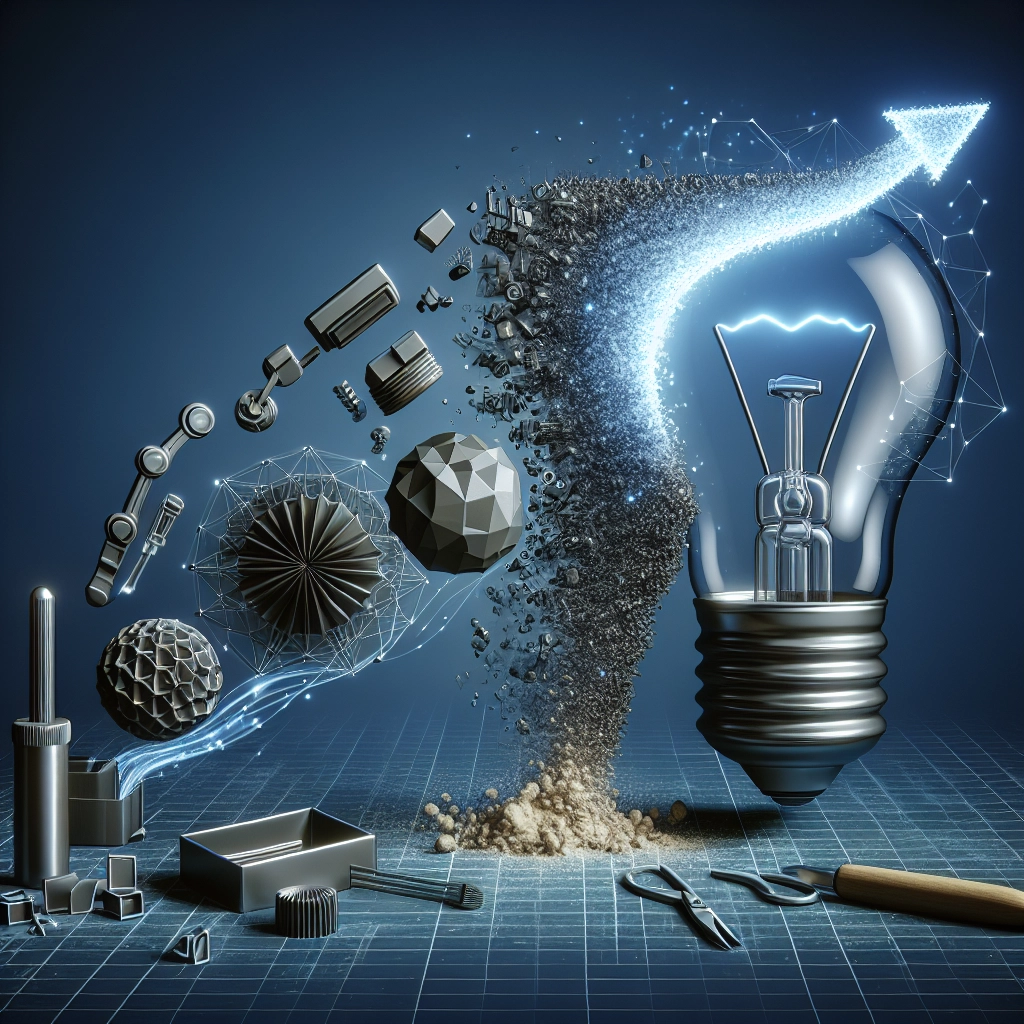
Once you have your digital model ready, it’s transferred to a 3D printer, which interprets the file and begins the additive process. The magic happens as the printer precisely lays down material, forming the object layer by layer until it’s complete. It’s almost like watching an artist sculpting with clay—except this artist is driven by a computer, ensuring precision with every stroke.
Making It Accessible
One of the most fascinating aspects of 3D printing is its accessibility. Not long ago, this technology was confined to large industries, with hefty price tags attached to the machinery. Yet, today, people can purchase reasonably priced 3D printers for home use or access printing services online. This democratization of technology invites everyone—from DIY enthusiasts to small businesses—to explore their creative potential.
Imagine being able to create a custom phone case, a unique piece of jewelry, or even tools tailored to your own needs right at home. The creative possibilities are nearly endless! Moreover, platforms like Thingiverse and MyMiniFactory offer a treasure trove of 3D models that you can download and print, making it easy for beginners to jump into the craft without having to be expert designers.
Shaping Industries and Innovations
Beyond personal creativity, 3D printing is also making significant inroads into various industries, revolutionizing traditional processes. In the world of manufacturing, businesses are leveraging 3D printing to create prototypes quickly and at a fraction of the cost compared to conventional methods. Companies can test and iterate on designs faster than ever before, leading to more innovative products hitting the market.
The medical field has seen remarkable advancements as well. Surgeons are harnessing this technology to create custom implants and prosthetics tailored to individual patients. Imagine a limb that fits perfectly, made to match the unique contours of its wearer! This personalized approach not only improves the quality of life for patients but also opens doors for more effective treatments.
The Environmental Impact
3D printing isn’t just about producing cool stuff; it also carries potential benefits for the environment. Traditional manufacturing processes often result in significant waste as excess materials are cut away. In contrast, 3D printing uses only the material necessary to create an object, minimizing waste. Moreover, innovations in sustainable materials, such as biodegradable plastics, are making it possible to print with eco-friendlier options.
Additionally, localizing production through 3D printing can reduce transportation emissions, as products can be printed closer to where they’re needed. This not only supports local economies but also encourages a more sustainable approach to consumption.
The Future of 3D Printing
Looking ahead, the future of 3D printing is incredibly promising. As technology continues to evolve, we may see advancements in speed, material variety, and precision that could open entirely new avenues of creativity and production. Imagine homes built with 3D printed materials, or even food being printed with precision to meet specific dietary needs.
However, with these possibilities come ethical considerations. As the technology becomes more widespread, the responsibility to ensure it’s used for good—aiding in accessibility, sustainability, and creativity—lies with all of us.
3D printing is more than just a tool; it’s a canvas for imagination, a bridge between creativity and reality. Whether you’re a professional designer, a curious hobbyist, or someone simply looking to explore the latest tech trend, diving into the world of 3D printing can be a life-changing experience. So grab that 3D printer, unleash your creativity, and watch as your ideas come to life before your very eyes!