

The Role of 3D Printing in Modern Manufacturing
Imagine a world where the barriers to creating complex designs fall away, where customized products can be produced with just the click of a button. Welcome to the world of 3D printing! Also known as additive manufacturing, 3D printing is revolutionizing modern manufacturing in all sorts of exciting ways. It’s not just a fad; it’s a game-changer that’s ushering in a new era of production for a myriad of industries.
A Quick Overview of 3D Printing
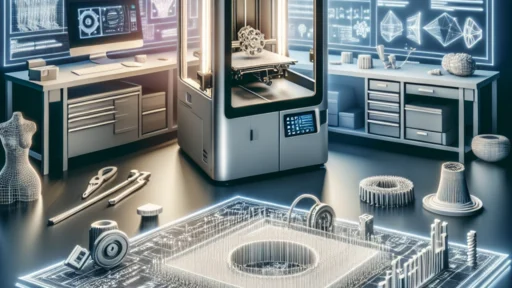
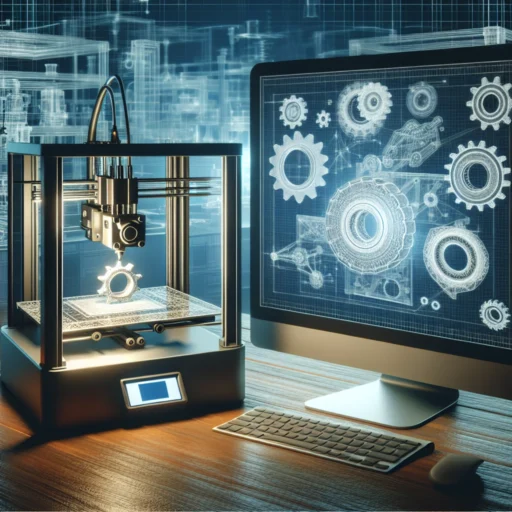
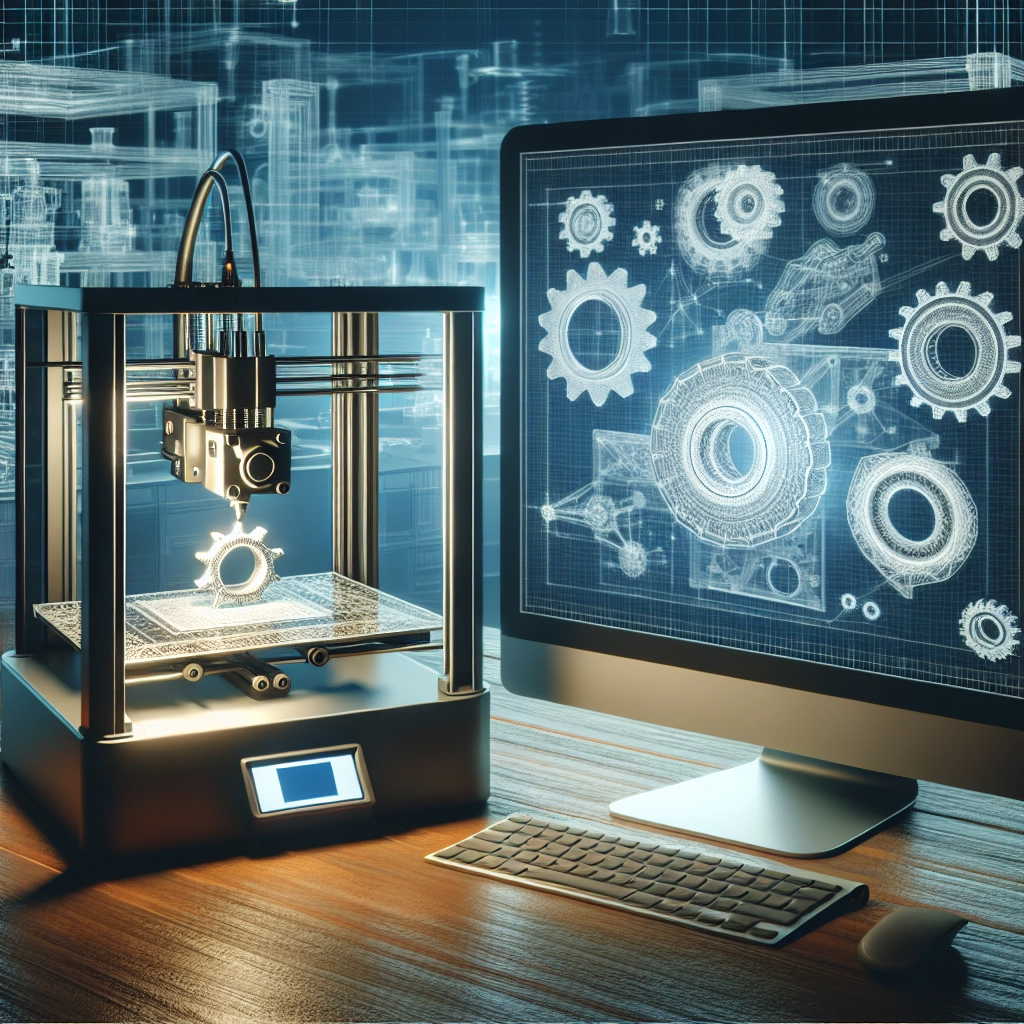
Before diving into its role in manufacturing, let’s briefly cover what 3D printing actually entails. In simple terms, 3D printing creates three-dimensional objects by layering materials based on digital models. These objects can be anything from prototypes and tools to end products, depending on the materials used and the technology employed. As it matures, 3D printing has expanded from hobbyist projects and small-scale applications to a significant force in industrial manufacturing.
Customization at Scale
One of the standout advantages of 3D printing is its ability to produce customized items efficiently. Imagine needing a specific part for a machine or a unique design for a medical implant. Traditional manufacturing can often involve long lead times and high costs when it comes to custom orders. 3D printing changes that. It’s now possible to create tailored objects in a fraction of the time, with minimal waste. Businesses can quickly turn designs into reality, delivering precisely what their customers want – no more, no less.
This level of customization is especially valuable in fields like healthcare. From personalized prosthetics to custom dental aligners, 3D printing allows for solutions tailored to the individual needs of patients. It reduces the trial-and-error inherent in more traditional manufacturing methods, which can be life-changing for many people.
Reducing Waste and Cost
Let’s talk about sustainability, a hot topic in today’s manufacturing landscape. One of the inherent advantages of 3D printing is its additive nature, creating objects layer by layer rather than subtracting material from a larger block, which is common in traditional manufacturing methods. This leads to significantly less waste—think of it as carving a statue from a block of marble versus assembling it piece by piece with only the necessary materials.
Moreover, 3D printing can significantly bring down costs, especially when it comes to prototyping. Designers can produce prototypes quickly, test them, and make changes without the high costs associated with traditional manufacturing methods. This rapid iteration not only saves money but also accelerates the overall design process, allowing companies to bring products to market faster than ever.
Enabling Innovation
3D printing is not just about making existing manufacturing processes better—it’s about enabling entirely new ways to innovate. Designers and engineers are able to develop complex geometries and structures that would be impossible or prohibitively expensive to produce using conventional manufacturing methods. This innovation is particularly evident in industries such as aerospace and automotive, where lightweight components can dramatically improve efficiency.
Take the aerospace industry, for instance. Companies are increasingly using 3D printing to create engine parts that are both lighter and stronger than traditional materials. This isn’t just an economic advantage; it’s one that can translate to fuel savings and reduced environmental impact.
Supply Chain Transformation
The implications of 3D printing stretch far beyond individual companies to entire supply chains. With traditional manufacturing, goods are often produced in bulk and shipped across the globe. This model can lead to delays and increased carbon footprints due to transportation. However, with 3D printing, companies can localize production, potentially leading to a more agile supply chain that responds more quickly to consumer demands.
Imagine being able to print replacement parts on-site rather than waiting for them to be shipped. This capability can minimize downtime, streamline operations, and keep any disruptions to a bare minimum.
Challenges Ahead
However, it’s essential to acknowledge that while 3D printing holds immense potential, challenges remain. There are still issues related to materials, print speed, and regulatory compliance that need to be addressed, especially in heavily regulated industries like healthcare and aerospace.
In Conclusion
The role of 3D printing in modern manufacturing is both transformative and exciting. By enabling customization, reducing waste, fostering innovation, and reshaping supply chains, it’s clear that 3D printing isn’t just a tool—it’s a pathway to a more efficient and responsive manufacturing future. As technology progresses, who knows what new marvels will emerge from 3D printers? The possibilities are as limitless as our imaginations. Whether in a lab, workshop, or even a home, the age of 3D printing is just beginning, and we’re all invited to be part of this incredible journey.