

Understanding the Printing Process: Layer by Layer
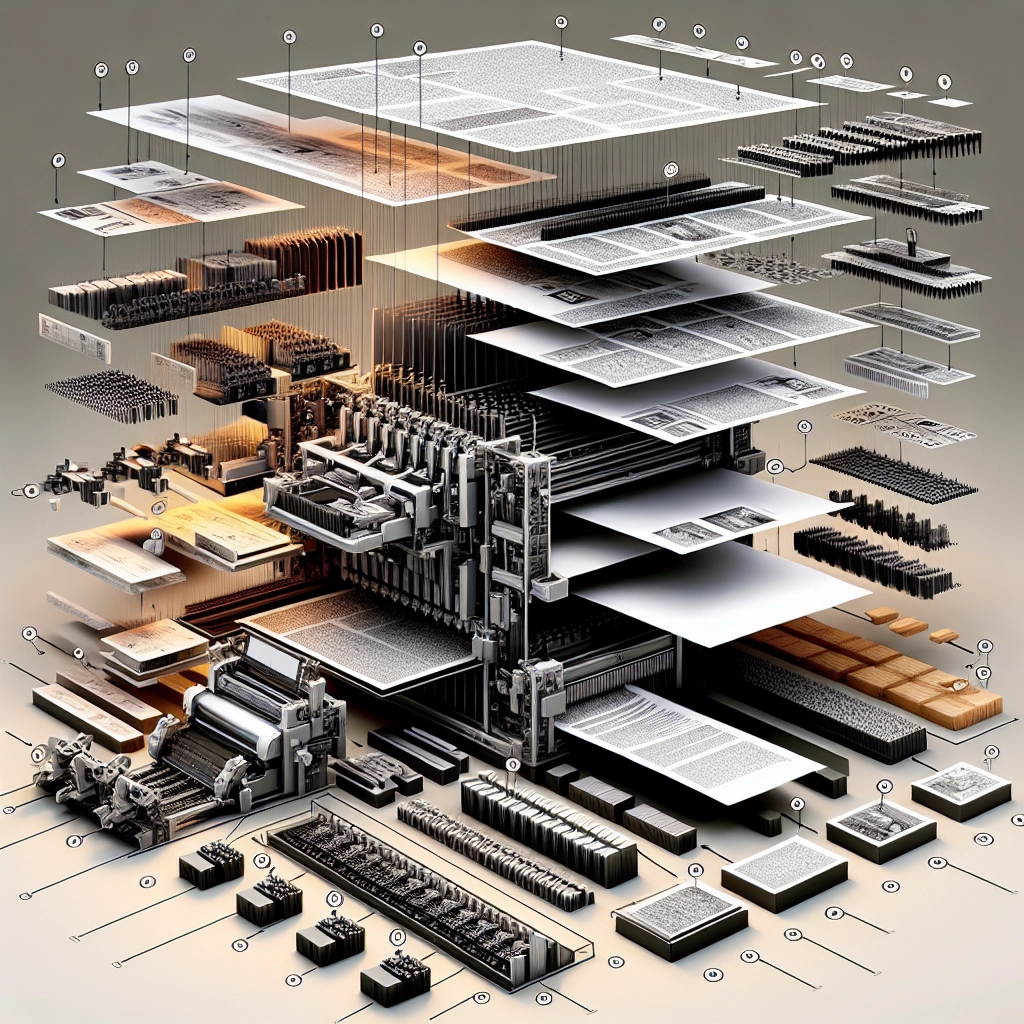
Ever wondered how your favorite book, magazine, or even that gorgeous high-resolution photo came to life? The story of printing is a fascinating journey that combines creativity, technology, and a little bit of magic. In this blog post, we’ll peel back the layers of the printing process, layer by layer, so you can appreciate not just the end product, but the art behind it.
The Birth of an Idea
Every print job starts with an idea, just like every great novel begins with a compelling concept. Whether it’s the vibrant cover of a coffee table book or a simple flyer promoting a local event, it all starts on paper—digitally, at least. Creative professionals, from graphic designers to marketing teams, begin by crafting their design using software like Adobe Illustrator or InDesign. Here, they choose layouts, fonts, colors, and images to bring their vision to life.
Digital to Physical: Prepress Preparations
Once the design is finalized, we dive into what we call the prepress phase. This is where the design is prepared for printing. Think of it as the rehearsal before the big show. The files need to be checked, tweaked, and formatted correctly. Color accuracy is crucial here, especially in processes like offset printing that rely on CMYK (cyan, magenta, yellow, and black) color profiles to produce the vibrant hues we see in the final print.
During this stage, printers may also take time to create proofs, which are sample prints that allow designers to check for any potential issues before the final run. It’s like getting the first glimpse of your baby before they officially enter the world!
Pressing On: The Printing Process Begins
Now, onto the exciting part—the actual printing! Depending on the project size and type, different methods are used:
Digital Printing
For smaller runs with rapid turnaround times, digital printing is the go-to option. Using laser or inkjet technology, digital presses can print directly from the file, allowing for beautiful color fidelity and versatility. This method is great for things like brochures, personalized items, and test prints.
Offset Printing
When larger quantities are needed, offset printing takes the spotlight. This traditional method uses metal plates to transfer ink onto paper. Imagine each color being printed in layers—first, the yellow, then magenta, cyan, and finally black. These layers combine to create the vibrant images and text we often take for granted. It’s a process that’s incredibly efficient once set up but requires that crucial prepress phase to ensure everything aligns perfectly.
Flexography & Gravure
For specialized projects, like packaging or high-volume printing, you might encounter flexography or gravure printing. Flexography uses flexible relief plates and is widely used for branded packaging while gravure relies on engraved cylinders for high-quality images. These methods take specialized knowledge and equipment and are essential for certain applications you see daily.
Finishing Touches to Perfection
Once the printing is complete, it’s time for the finishing touches. This stage can include cutting, folding, binding, and even laminating—enhancing durability and allure. Each step contributes to the final product’s look and feel, turning flat paper into engaging, tactile items. A matte finish can evoke elegance while gloss can bring out colors and make images pop.
Quality Control: The Final Inspection
Before anything leaves the print shop, there’s an essential step—quality control. This is the safety net ensuring that every item meets the desired standards. Imagine quality inspectors scrutinizing the prints for color accuracy, alignment, and any defects. They’re the guardians of the printing process, ensuring that what arrives at your door is nothing short of perfect.
The Big Reveal
Finally, the printed materials are packaged and shipped out, ready to be delivered to customers or clients. There’s a certain thrill in seeing your concept transform into a tangible product, whether it’s a treasure chest of magazines or a simple stack of business cards. With each layer adding depth and texture to the creation, it reflects not just the work done but the passion behind the process.
So next time you pick up a printed piece, whether it’s an elegant invitation, an environmental report, or a beloved classic novel, take a moment to appreciate the intricate journey that brought it to life. Each step of the printing process—layer by layer—holds stories of creativity, meticulous work, and a bit of alchemy that turns ideas into reality.