

Cutting-Edge 3D Printing Applications in Medicine
3D printing has been turning heads for years, revolutionizing fields like engineering, architecture, and even fashion. However, one of its most profound impacts is in the world of medicine. Thanks to advancements in technology, the application of 3D printing in the healthcare sector is not just a trend; it’s reshaping the very fabric of treatment, surgery, and patient care. Let’s explore some of the most groundbreaking applications of 3D printing in medicine today.
Customized Implants and Prosthetics
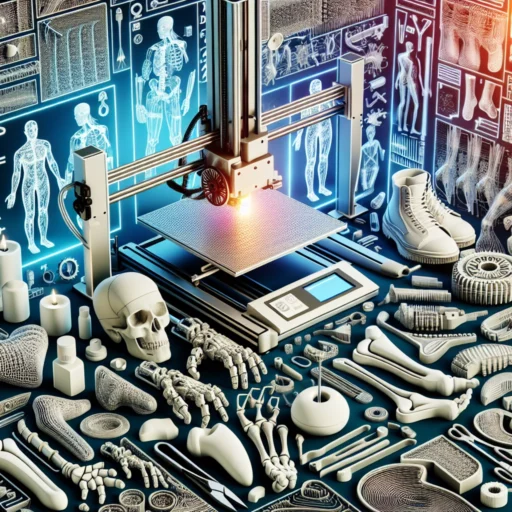
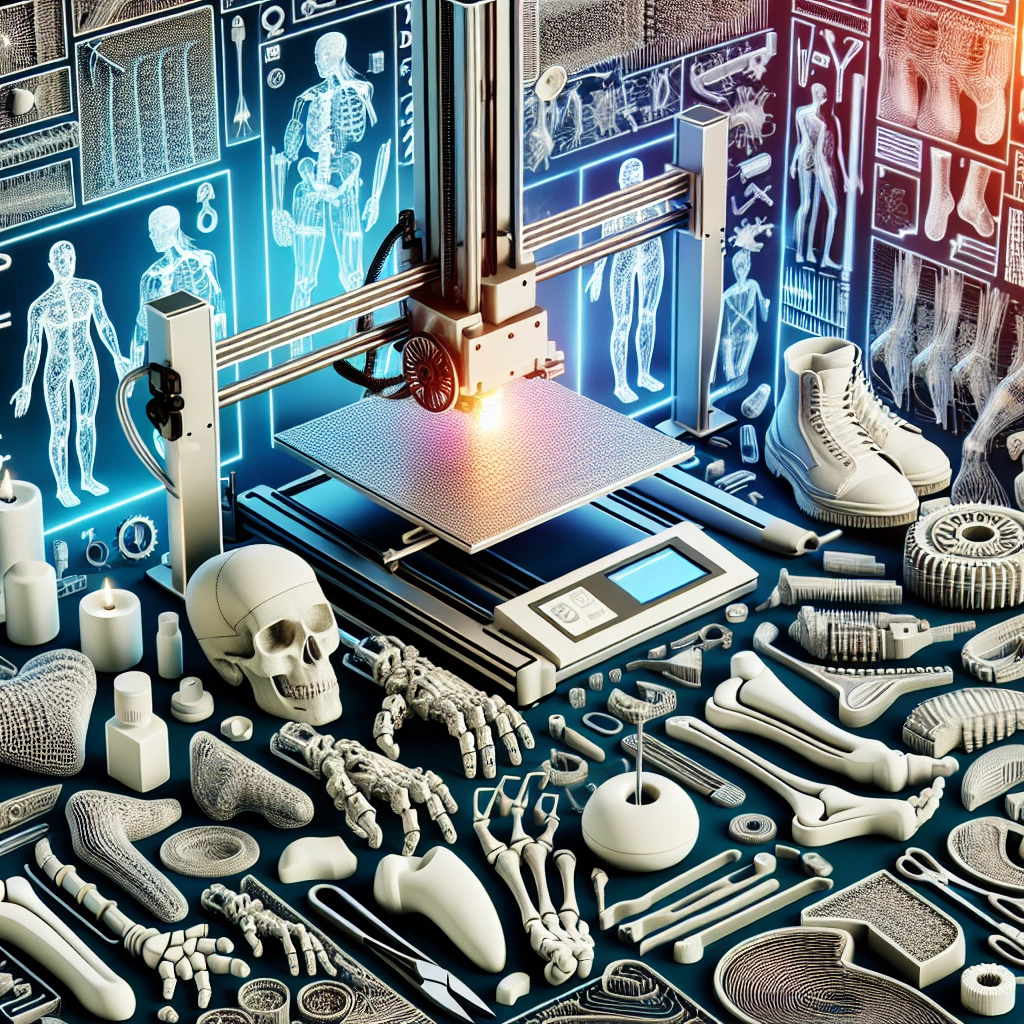
One of the most heartening applications of 3D printing is in the production of personalized implants and prosthetics. Traditionally, prosthetics could be made to fit a client, but they still often required adjustments and might not be the most comfortable fit. With 3D printing, companies can create customized prosthetics tailored to an individual’s unique anatomy.
For instance, imagine a child who outgrows their prosthetic limb every few months. Instead of going through the lengthy process of having a new one made, a simple scan of their limb can produce a new, perfectly fitting prosthetic in a fraction of the time. This not only enhances the user’s comfort but also boosts their confidence, allowing them to live more active and fulfilling lives.
Surgical Planning and Training Models
Surgeons have one of the most challenging jobs out there; each case requires meticulous planning and expertise. 3D printing is stepping in to make the process easier and more effective. Medical professionals can now create precise, patient-specific anatomical models from imaging data. These models allow surgeons to visualize the exact dimensions and complexities of a patient’s anatomy before performing surgery.
For example, orthopedic surgeons can practice a complex procedure on a 3D-printed model of a patient’s joint. This level of preparation can lead to improved outcomes and significantly reduced surgery times. It’s not only beneficial for the surgeons but can also increase patient confidence, knowing their doctor is well-prepared for the operation.
Moreover, these models aren’t just for seasoned professionals; they’re also invaluable for medical training. 3D-printed replicas of human anatomy are becoming increasingly common in medical schools, providing students with realistic hands-on experience long before they ever step into an operating room.
Bioprinting Tissues and Organs
Let’s talk about the holy grail of medical 3D printing: bioprinting. The concept sounds like something out of a sci-fi novel, but researchers are making strides in printing living tissues and even organs. While we’re not quite at the stage of printing complete hearts or kidneys yet, there have been phenomenal developments in printing smaller tissues, such as skin, blood vessels, and even rudimentary organ structures.
Imagine a future where anyone on a transplant list could receive a custom-organ transplant made from their own cells. This not only reduces the risk of organ rejection but also would address the critical shortage of donor organs. Startups and research labs across the globe are working on this technology, and while practical applications may still be a bit away, the momentum is building.
Personalized Medications
In an era where one-size-fits-all doesn’t cut it, 3D printing is paving the path toward personalized medicine. Pharmaceutical companies are beginning to explore 3D printing to create tailored medications that cater to an individual’s unique health needs. Imagine a patient who suffers from multiple ailments needing a variety of medications—3D printing can combine different drugs into a single pill, simplifying the medication regimen.
This has exciting implications not just for patient compliance but for overall effectiveness. By controlling the dosage and the delivery method of a medication, 3D-printed drugs could enhance treatment outcomes in ways we are only beginning to understand.
The Future is Bright
The innovations in 3D printing within the medical field are just the tip of the iceberg. As technology continues to advance, you can be sure that the applications will expand even further, touching more lives by improving treatments and patient experiences.
From bespoke prosthetics to bioprinted organs, the ideas buzzing around in lab spaces around the world signal a transformative future for healthcare. It invokes an inspiring sense of hope, showing that with creativity and technology, the boundaries of what is possible in medicine are continually being redefined. As we embrace this decade of innovation, the real challenge will be keeping pace with its growth and ensuring that these amazing technologies are accessible to all who need them.