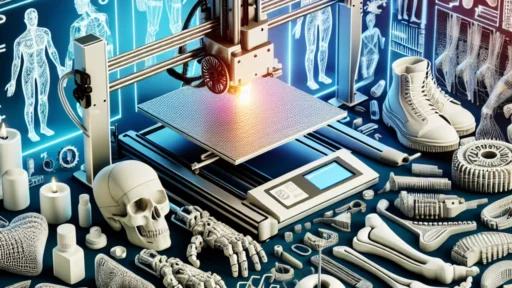



Exploring the World of Specialty 3D Filaments
If you’re a 3D printing enthusiast or an inventive spirit dabbling in prototyping, you’ve probably heard of the standard filaments like PLA and ABS. But have you ventured into the enchanting realm of specialty 3D filaments? These filaments not only expand your printing horizons but also unleash a wave of creativity, giving life to unique projects that stand out from the crowd. So, let’s dive in and explore some of these fascinating options!
What Are Specialty 3D Filaments?
Specialty filaments are a category of materials designed to offer distinct properties, functionalities, or aesthetic appeal that standard filaments cannot provide. Whether you’re looking for something that can withstand high temperatures, offers improved flexibility, or simply appears exceptionally cool, there’s a specialty filament out there for you.
Popular Types of Specialty Filaments
1. Polycarbonate (PC)
Polycarbonate is like that superhero of filaments. Known for its incredible toughness and impact resistance, it’s perfect for functional parts that endure wear and tear. When printing with PC, keep in mind that it requires higher temperatures—around 310°C. This means you’ll need a printer that can handle the heat, but once you tackle that hurdle, the results can be stunning.
2. Nylon
Nylon is another tough contender on the block. It’s flexible, wear-resistant, and has excellent layer adhesion, making it great for parts that endure lots of movement. The downside? It can absorb moisture like a sponge, so it’s essential to store it properly in a dry environment. But the vibrant colors and finishing options available can easily make up for any extra effort in handling.
3. TPU (Thermoplastic Polyurethane)
For those interested in flexible prints, Thermoplastic Polyurethane (TPU) is where the magic happens. Perfect for items that need to bend or stretch—think phone cases, wearables, or even toys—TPU is resistant to abrasions and impacts. Printing with TPU can be a bit tricky due to its flexibility, but with the right settings, you’ll be rewarded with soft yet durable pieces.
4. Wood Filament
Ever thought about printing something that looks like real wood? Wood filament blends PLA with actual wood particles, giving your prints a warm, organic look. After printing, you can sand and finish your creation, just like you would with real wood. It’s a fantastic way to add a rustic charm to your projects, from decorative items to intricate sculptures.
5. Metal Filaments
If you want to add a bit of weight and shine to your creations, metal filaments are a game-changer. These filaments combine PLA with finely powdered metal, resulting in prints that mimic real metallic properties. Whether it’s bronze, copper, or stainless steel, these materials can make for strikingly beautiful designs that catch the eye.
6. Glow-in-the-Dark Filament
Want to create something that glows at night? Glow-in-the-dark filaments are a fun choice for projects ranging from toys to spooky decorations. They charge up in natural or artificial light and emit a soft glow in darkness. It’s a whimsical element that can add an unexpected twist to your designs.
Why Use Specialty Filaments?
So, why consider using specialty filaments? Aside from the obvious aesthetic value, specialized materials can offer enhanced performance, durability, and functionality tailored for specific projects. They can turn rather mundane prints into personalized, high-quality items. While they may come with a learning curve and often require specific printer settings, the payoff can be well worth the investment.
Tips for Working with Specialty Filaments
- Print Settings: Always refer to the manufacturer’s recommended print settings. Specialty filaments can require different temperatures and settings compared to standard ones.
- Storage Matters: Many specialty filaments, especially Nylon, are sensitive to moisture. Keep them in airtight containers with desiccants to prolong their usability.
- Experiment: Don’t be afraid to try different filaments to discover what works best for your specific needs. Every new material is a chance to explore unique aesthetics and functionalities.
The world of specialty 3D filaments is like stepping into a treasure chest of possibilities. With each filament offering its unique flair and benefits, the only limit is your imagination—and maybe the capabilities of your printer. So, whether you’re crafting for function or fun, don’t shy away from experimenting with these special materials. You never know what fantastic creations await just around the corner!