


A Guide to Multi-Material 3D Printing
If you’ve dipped your toes into the 3D printing world, you’re likely familiar with the standard process of printing using a single material, whether it be filament for Fused Deposition Modeling (FDM) or resin for Stereolithography (SLA). But have you ever considered the exciting realm of multi-material 3D printing? This innovative technique opens up a whole new dimension of possibilities for designers, engineers, and hobbyists alike. Let’s dive in!
What Is Multi-Material 3D Printing?
Simply put, multi-material 3D printing involves using two or more materials in one single printing process to create a finished product. This allows for intricate designs that leverage the unique properties of each material, resulting in parts that are stronger, more flexible, or simply more visually appealing.
For instance, imagine printing a phone case that combines a rigid outer shell for protection with a softer inner lining for shock absorption. Or picture a complex mechanical part that requires different levels of hardness to function optimally. These are just a few examples of the myriad applications that multi-material printing can create.
Why Choose Multi-Material Printing?
Enhanced Functionality
One of the primary benefits of multi-material 3D printing is functionality. Different materials can serve various purposes within a single object. By combining hard and soft materials, or materials with differing thermal or electrical properties, you can design parts that perform better in real-world applications.
Aesthetics
Let’s be honest; sometimes, we want our 3D-printed objects to look good. Using different colors and materials in one print job enables vibrant designs and creative expressions. With multi-material capability, your imagination is the limit. You can incorporate textures, build contrast with colors, or even simulate the appearance of everyday materials like wood or metal.
Reduced Assembly Time
Why spend time assembling separate pieces when you can integrate everything into one print? Multi-material printing streamlines the design process, allowing creators to produce intricate parts with various functionalities in a single print job. Not only does this save time, but it also reduces the potential for errors that come with assembly.
Popular Multi-Material 3D Printing Technologies
While multi-material 3D printing has been around for a while, choosing the right technology for your needs can seem daunting. Here are some popular methods:
Fused Deposition Modeling (FDM)
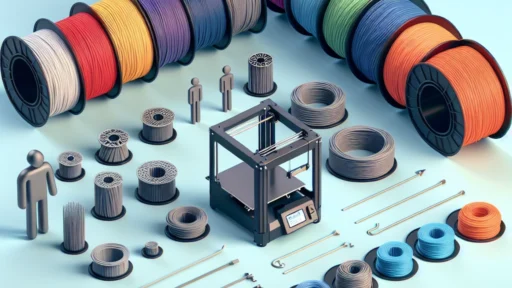
FDM technology has gained immense popularity for its versatility and ease of use. Many FDM printers now feature multiple extruders, allowing them to print with multiple filaments simultaneously. Some common multi-material FDM printers offer options like dual-material printing, giving users the chance to mix colors or materials directly in one go.
PolyJet Technology
PolyJet printers work similarly to inkjet printers but with photopolymer resins. This technology allows for ultra-fine details and the ability to print in layers with multiple materials at once. The beauty of PolyJet is its capacity for creating complex geometries, fine textures, and vivid colors in a seamless print.
Selective Laser Sintering (SLS)
SLS is an advanced service often used for functional prototypes and small-batch production. Using powdered materials and a laser to fuse them, SLS technology can print multi-material parts with varied mechanical properties, like toughness and flexibility.
Applications of Multi-Material 3D Printing
The applications for multi-material 3D printing are vast and varied. Here are a few fields taking the lead:
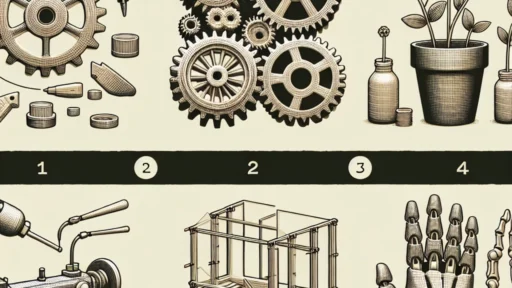
- Medical Devices: From prosthetics that mimic skin to complex surgical tools, the medical field is seeing a revolution in personalized healthcare thanks to multi-material printing.
- Automotive: Car manufacturers are exploring multi-material components for better performance, weight reduction, and streamlined assembly processes.
- Consumer Products: Companies producing items like footwear often use multi-material techniques for enhanced comfort and style.
Getting Started with Multi-Material 3D Printing
If you’re eager to hop on the multi-material bandwagon, start by researching compatible printers for your goals. Many entry-level and professional models are available on the market, so consider factors such as print size, material compatibility, and user-friendliness.
Don’t forget to experiment! Adjusting print settings for various materials can take time, so be patient with the learning process. Plenty of communities online are dedicated to 3D printing enthusiasts where you can share experiences, learn tips, and find inspiration.
The Future of Multi-Material Printing
As technology evolves, we can expect to see an increase in the capabilities and accessibility of multi-material 3D printing. Innovations in materials and techniques will continue to broaden the horizons of what is possible. So whether you’re a designer, an engineer, or just someone curious about the craft, there’s never been a better time to explore multi-material 3D printing. Embrace the creativity and watch your ideas come to life—layer by vibrant layer!