

The Environmental Impact of 3D Printing and Sustainable Filaments
In recent years, 3D printing has surged in popularity, transforming the way we think about manufacturing, prototyping, and even art. From medical implants to custom home décor, the possibilities seem endless. However, with great innovation comes great responsibility, especially when considering the environmental implications of this rapidly growing technology. So, let’s dive into the environmental impact of 3D printing and explore the role of sustainable filaments.
The Upside of 3D Printing
At first glance, 3D printing appears to have several environmental advantages over traditional manufacturing. For starters, it offers a more localized production method, reducing the need for long-distance transportation associated with shipping products worldwide. This decentralization can lead to a significant decrease in carbon emissions.
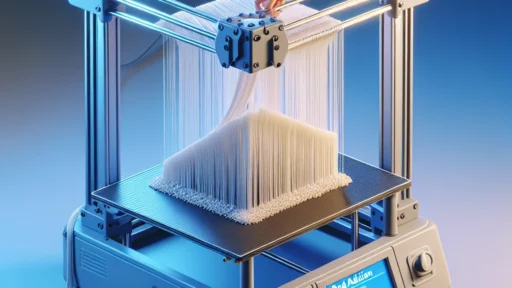
Additionally, 3D printing often involves a process called additive manufacturing, which builds objects layer by layer. Unlike subtractive methods, where material is cut away from a larger block, additive manufacturing can be more efficient. This means less waste overall, as less material is discarded during production. Think about all the shavings created when you carve a wooden sculpture versus the precision of constructing it one layer at a time!
The Dark Side: Potential Impacts
However, it’s not all sunshine and rainbows. As with any technology, there are some downsides to 3D printing that we need to consider. One of the biggest concerns revolves around the materials used in the printing process. Many common filaments, such as polylactic acid (PLA) and acrylonitrile butadiene styrene (ABS), have their own environmental drawbacks.
For instance, while PLA is derived from natural resources like cornstarch, the production process can involve significant land use, mono-crop farming, and chemical processing that detracts from its sustainability. Then there’s ABS, a petroleum-based plastic, which emits harmful fumes during printing, contributing to air pollution and raising health concerns for those who use it.
Moreover, when 3D-printed items reach the end of their life cycle, they can become part of the plastic waste crisis. Many of the filaments, particularly those derived from fossil fuels like ABS, do not break down easily in landfills, exacerbating our environmental challenges.
Enter Sustainable Filaments
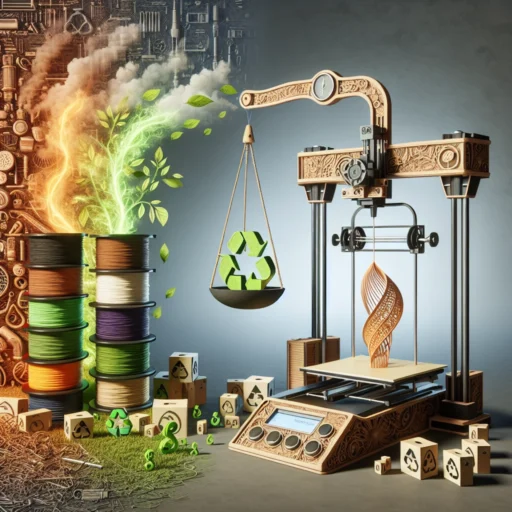
Fortunately, awareness surrounding the negative impacts of traditional 3D printing materials has led to the development of sustainable filaments. These eco-friendly options aim to reduce the carbon footprint of 3D printing while ensuring that the technology remains viable and effective.
Some innovative materials include bio-based filaments made from renewable resources, such as:
- Hemp Filament: Utilizing hemp fibers can create a durable, biodegradable filament that is less dependent on petrochemicals.
- Recycled PLA (rPLA): Made from post-consumer waste, rPLA is a fantastic option for reducing landfill contributions and promoting a circular economy.
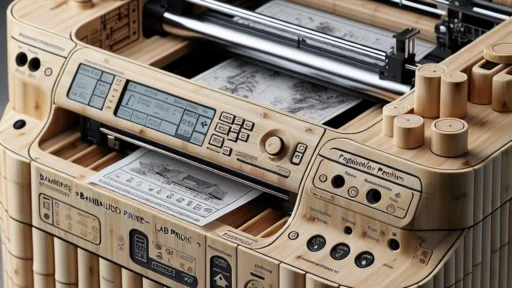
- Wood Filaments: Combining recycled wood fibers with PLA gives prints a unique aesthetic and feel, while being more environmentally friendly than traditional plastics.
These sustainable filaments not only have the potential to lessen environmental harm; they also support the burgeoning eco-conscious movement. As consumers become more aware of their purchasing decisions, the demand for sustainable products—whether in fashion, packaging, or manufacturing—is on the rise. 3D printing can be a significant player in that game.
The Road Ahead
As the industry evolves, there’s hope for further innovations that reconcile 3D printing with sustainability. Researchers are experimenting with alternative materials, such as algae-based filaments and others derived from agricultural waste. The development of biodegradable options could radically change the narrative around 3D printing’s environmental impact.
Moreover, brand awareness plays a crucial role as companies that commit to sustainability find favor with consumers who want to tread lightly on the planet. The more businesses and makers embrace eco-friendly practices, the larger the shift towards sustainable 3D printing becomes.
The intersection of technology and sustainability can yield fascinating new possibilities. While there are legitimate concerns regarding the environmental impact of 3D printing, it’s heartening to see innovative solutions emerging. By consciously choosing sustainable filaments and responsible practices, we can harness the potential of 3D printing to create a more sustainable future—not just for ourselves, but for generations to come. So grab your 3D printer, choose that eco-friendly filament, and let’s create with intention!