
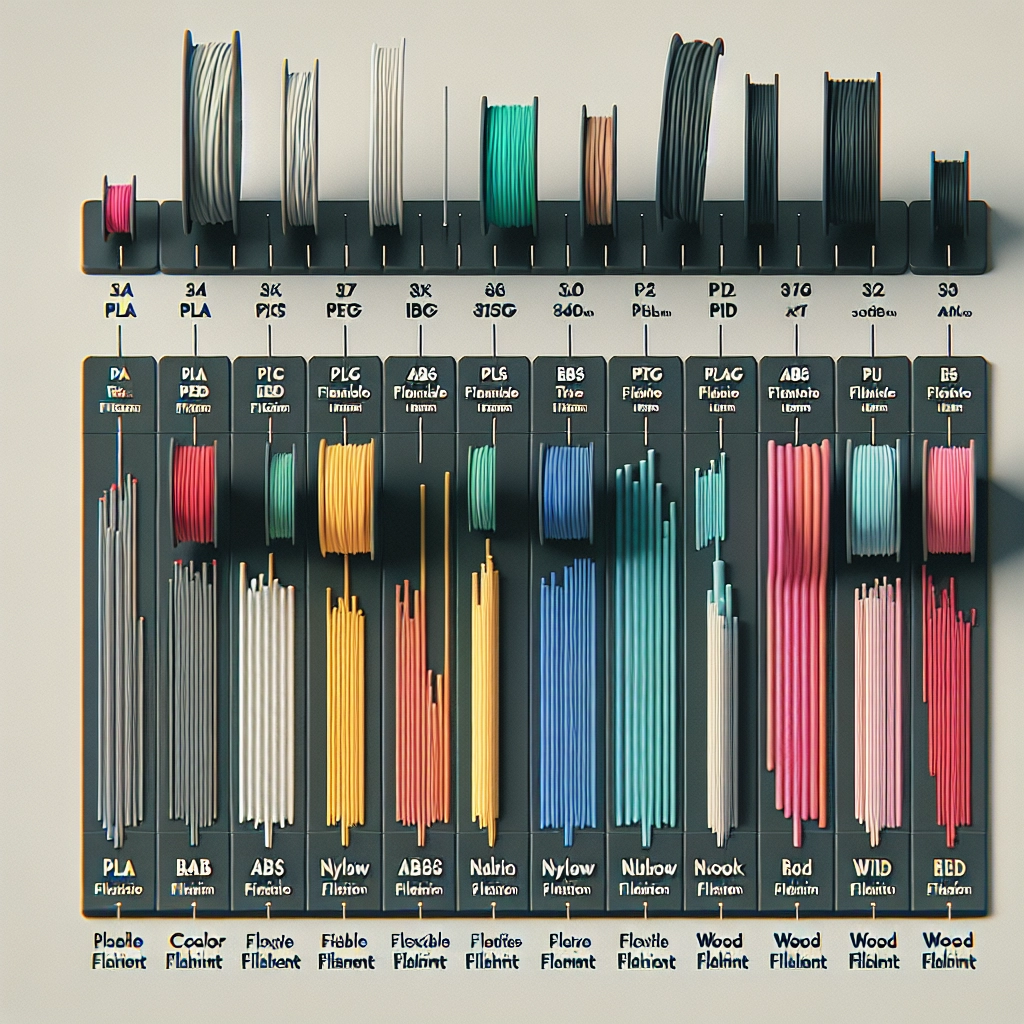

Choosing the Right 3D Filament: A Guide for Beginners
Diving into the world of 3D printing can feel a bit overwhelming at first, especially with all the different filament options available. Whether you’re just getting started or refining your skills, understanding the various types of 3D printing filament is crucial to achieving successful prints. So, let’s break it down in a way that makes sense and helps you choose the right filament for your projects.
Understanding Filament Basics
Before we dig into the nitty-gritty of filament types, let’s quickly cover what filament is. Essentially, 3D printing filament acts like the "ink" for your 3D printer. It comes in spools and is used by fused deposition modeling (FDM) printers to create three-dimensional objects layer by layer.
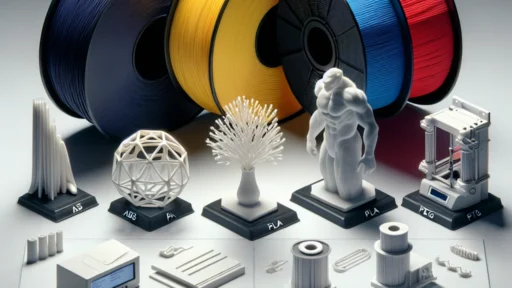
Filaments generally come in several materials, but the two most common are PLA (Polylactic Acid) and ABS (Acrylonitrile Butadiene Styrene). Each type has its unique properties, so choosing one largely depends on what you plan to create.
PLA: The Beginner’s Best Friend
If you’re just starting out, PLA is often recommended as a go-to filament. Why?
-
Ease of Use: PLA is user-friendly and often the first filament that beginners use. It doesn’t require a hotbed, and it is less prone to warping, making it ideal for your initial projects.
-
Versatility: You can use it for a wide range of applications—from simple prototypes to intricate designs. Plus, PLA can be printed at lower temperatures (typically between 190°C and 220°C), which adds to its appeal as a beginner filament.
-
Environmentally Friendly: Made from renewable resources like cornstarch or sugarcane, PLA is biodegradable. So, not only do you get to unleash your creativity, but you can do so with a clear conscience.
However, PLA does come with its caveats. It’s not as durable as ABS and can be less heat-resistant. So if you’re planning on printing something that will be exposed to high temperatures or will require significant durability, you might want to consider other options.
ABS: The Tough Guy
Next up, we have ABS. This filament is preferred for more robust applications due to its strength and durability.
-
Durability: ABS is known for its sturdiness. It holds up well against impact and wear, making it a suitable choice for functional parts, toys, or mechanical components.
-
Higher Heat Resistance: Unlike PLA, ABS can withstand higher temperatures, making it ideal for products that will be subjected to heat or outdoor conditions.
-
Post-Processing: ABS has the advantage of being easy to sand and paint, which can elevate the quality of your finished product if you’re looking to add some flair.
However, working with ABS can be tricky. It often warps during the cooling process, which can lead to unsuccessful prints. You’ll also want to ensure you have good ventilation while printing, as ABS can emit unpleasant fumes.
PETG: The Best of Both Worlds
If you find yourself torn between PLA and ABS, PETG (Polyethylene Terephthalate Glycol-Modified) might be the answer. It has qualities that make it easier to work with than ABS and stronger than PLA.
-
Hybrid Advantages: PETG combines the user-friendliness of PLA and the durability of ABS. It is less prone to warping, which can lead to smoother print experiences.
-
Chemical Resistance: This filament also holds up well against chemicals, making it great for containers or any item that might come in contact with various substances.
-
Food Safe Options: Many PETG filaments are considered food-safe, which means you can print items like utensils or molds without worry—just be sure to check the specifications!
Other Filament Types
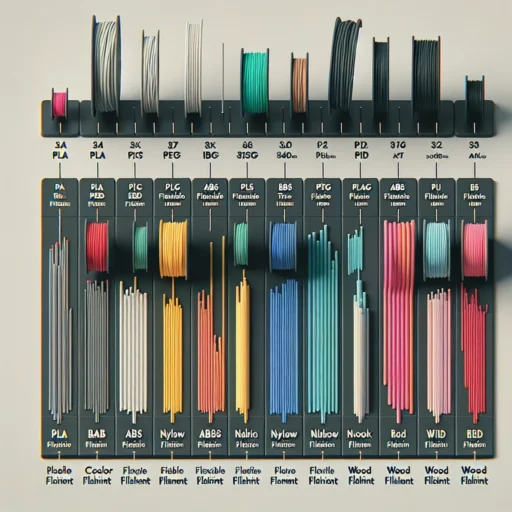
While PLA, ABS, and PETG are the most popular, there are many other filament types worth exploring:
- TPU (Thermoplastic Polyurethane): A flexible filament perfect for printing wearable items or things that need to bend.
- Nylon: Known for its strength and flexibility, it’s great for engineering parts but requires a bit more effort to print correctly.
- Wood Filament: Ideal for giving your prints a rustic aesthetic, it blends PLA with wood particles.
Final Thoughts
Choosing the right 3D filament doesn’t have to be a daunting task. Start with your project in mind—what will you be creating? Consider factors like strength, flexibility, and temperature resistance. As you navigate through your 3D printing journey, don’t hesitate to experiment with different filaments to see what works best for you. Before you know it, you’ll be printing like a pro! Enjoy the process, and remember that each print, good or bad, is a learning opportunity. Happy printing!