

Exploring Eco-Friendly 3D Filaments: A Sustainable Choice
In the ever-evolving world of 3D printing, sustainability is becoming more than just a buzzword; it’s a necessity. As creators and innovators, we’re constantly on the lookout for materials that not only help us realize our imaginative designs but also have a minimal impact on our planet. Enter eco-friendly 3D filaments—game-changers that make your projects not only visually stunning but also environmentally responsible.
What Are Eco-Friendly 3D Filaments?
Eco-friendly 3D filaments are materials designed with sustainability in mind. Unlike traditional filaments made from petroleum-based plastics, these alternatives often derive from renewable resources or are designed to be biodegradable. Common eco-friendly materials include PLA (polylactic acid), which is made from cornstarch or sugarcane, and PETG (glycol-modified polyethylene terephthalate), which is recyclable and often made from recycled materials.
One of the most appealing aspects of eco-friendly filaments is their ability to reduce your carbon footprint without sacrificing quality. Not only do they print beautifully, but they also allow you to create with a conscience.
The Popular Options
Let’s dive into some of the most popular eco-friendly 3D filaments available today:
-
PLA (Polylactic Acid)
PLA is a favorite among both beginners and seasoned printers. Being derived from renewable resources, it’s not only biodegradable but also has a low melting point, which makes it easier to print. Plus, the variety of colors and the smooth finish make it perfect for everything from prototypes to intricate models. -
PETG (Glycol-Modified Polyethylene Terephthalate)
PETG is gaining traction for its durability and resistance to impact. Since it can be recycled and has a lower environmental impact compared to traditional plastics, it’s a great option for prints that need to be sturdy yet eco-conscious. Additionally, its ease of use makes it a popular choice for everyday printing. -
Recycled or R3D Filaments
Some companies are now producing filaments made from post-consumer recycled plastics, such as R3D. These filaments can come in a variety of materials, often repurposing waste that would otherwise end up in landfills. By choosing R3D filaments, you’re giving a second life to plastic waste. -
Hemp and Other Bio-based Filaments
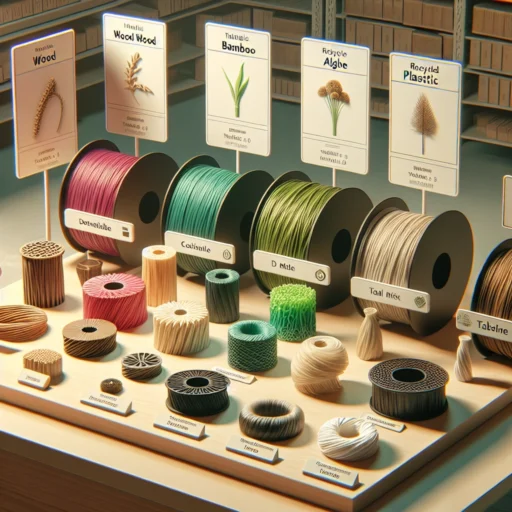
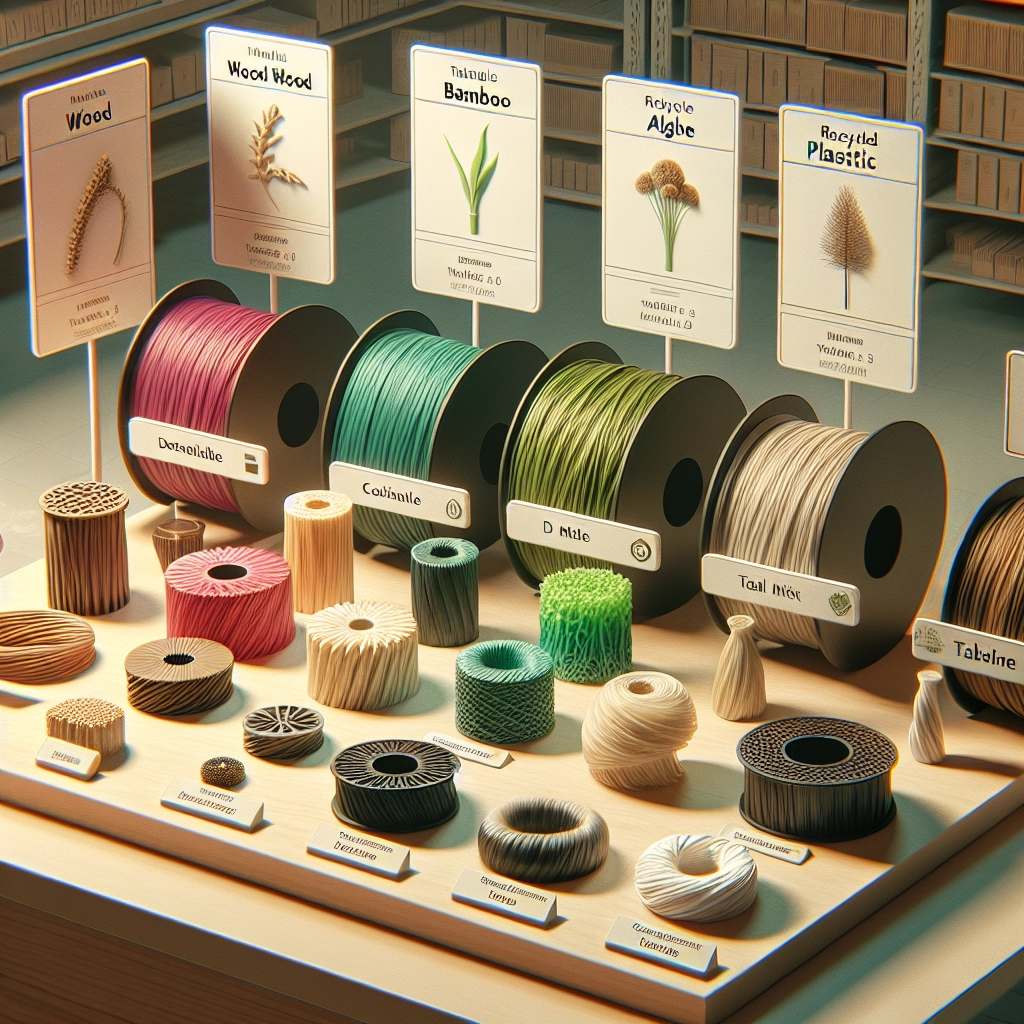
Emerging from the new wave of eco-conscious manufacturing, hemp-based filaments are making headlines. Biocomposites blend traditional plastic materials with organic fibers, providing a unique texture and color while promoting sustainability.
Advantages of Using Eco-Friendly Filaments
Choosing eco-friendly filaments comes with a slew of benefits. Firstly, they reduce environmental harm, which is something we can all get behind. Many eco-filaments are designed to degrade naturally over time, unlike standard plastics that can take hundreds of years to break down.
Moreover, using these materials often means contributing to a circular economy. With filaments like PETG being recyclable, the lifecycle of the material extends far beyond its first print job. This mindset aligns perfectly with the growing focus on reducing waste.
Additionally, there’s a whole community of makers who are passionate about eco-friendly printing. By joining forums and social media groups focused on sustainable 3D printing, you’ll find a wealth of knowledge and inspiration for your projects.
Challenges and Considerations
Like any material, eco-friendly filaments do come with their own set of challenges. Some may require specific print settings compared to standard filaments, and the availability may vary based on your location or suppliers. Plus, while materials like PLA are biodegradable, they still need the right conditions to decompose effectively—so proper disposal methods are essential.
Moving Towards a Greener Future
Sustainability in 3D printing isn’t just a trend; it’s a movement. With eco-friendly filaments, you have the power to turn your creative passions into projects that are kind to the earth. By opting for these materials, you’re not only making a responsible choice for your prints but also joining a global community that values and advocates for a healthier planet.
As we push the boundaries of innovation, let’s keep sustainability at the forefront of our designs. With each object we create, we shape not just our own world but the future of our environment as well. So, whether you’re fabricating toys, tools, or artistic masterpieces, consider making the switch to eco-friendly 3D filaments—the planet will thank you!