
Filament Storage Solutions: Keeping Your Supplies Fresh
If you’re a 3D printing enthusiast, you know that the success of your latest print can hinge on a few critical factors, with filament quality being one of the most important. Whether you’re working with PLA, ABS, PETG, or any of the myriad other materials, keeping your filament fresh can make all the difference in achieving beautiful prints. Let’s dive into some smart storage solutions that can help keep your filament in top condition, no matter the environment.
The Importance of Proper Storage
Filament is generally hygroscopic, which means it absorbs moisture from the air. While some materials are more susceptible than others (I’m looking at you, Nylon), even the most durable filaments can suffer if stored improperly. Moisture absorption can lead to a variety of issues: bubbling and popping sounds when printing, inconsistent extrusion, and a general lack of quality in your finished product. When you put all that time and effort into designing and printing, you want the final outcome to be as stunning as your idea!
Ideal Conditions for Filament Storage
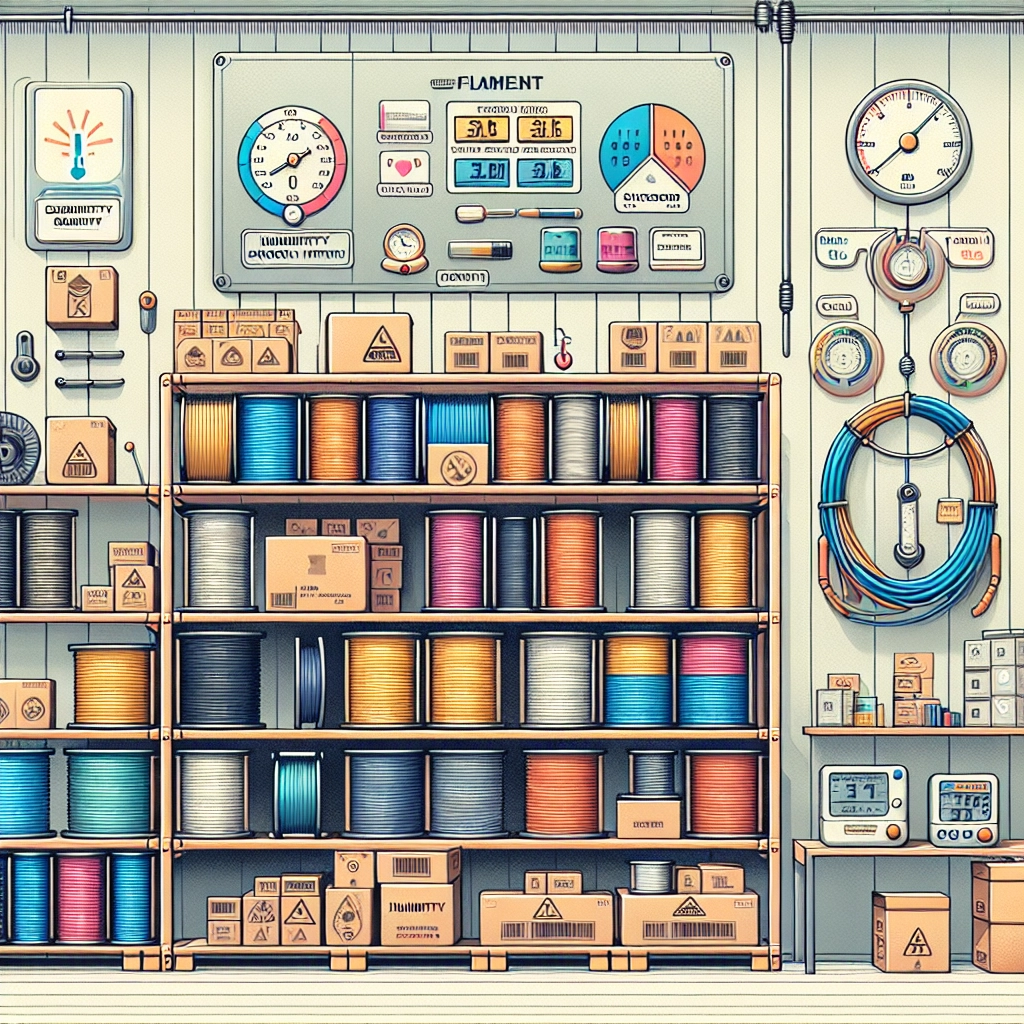
Before diving into storage solutions, it’s important to know the ideal conditions for filament. Generally speaking, filaments should be kept in a cool, dry place. A consistent temperature is key, ideally between 15-25°C (59-77°F). Try to avoid exposing your filament to direct sunlight, as UV rays can degrade certain types of plastic.
Storage Options
1. Vacuum-Sealed Bags
One of the easiest ways to keep your filament safe from moisture is to use vacuum-sealed bags. This method is both affordable and effective. Simply place your filament spool into the bag, use a vacuum sealer, and voilà—your filament is protected from humidity! You can throw in some silica gel packets for good measure, which will absorb any residual moisture. Store these bags in a cool, dark place, and you’re all set.
2. Airtight Containers
If vacuum-sealing isn’t your style, consider investing in airtight containers. Many people swear by large, stackable containers that you can find in craft stores or online. Just make sure they seal well. If you’re storing multiple spools, some containers even come with a built-in desiccant to keep humidity levels low. Bonus points if you label them for easy identification!
3. Filament Dry Boxes
For the ultimate solution, why not invest in a filament dry box? These are particularly useful for people who frequently switch between different materials or colors. A good dry box will not only keep your filament moisture-free, but some even include heated compartments to ensure that the filament stays dry and ready for use. Look for one with a transparent window—that way, you can monitor the filament without opening the box and exposing it to air.
4. DIY Solutions
If you’re on a budget, no worries! You can create your own storage solutions using common household items. A large plastic bin with tightly sealing lids can work wonders. Simply add several silica gel packets (found easily online or at craft stores) to absorb moisture. You could even use a shoebox for smaller spools, ensuring you keep the top closed when not in use.
5. Temperature Control
In arid climates, a desiccant might be all you need, but if you live in a humid environment, you might want to consider a temperature-controlled space or a dehumidifier. Maintaining a stable environment can help reduce the chances of moisture build-up in your storage area, keeping your supplies fresh for longer.
What Not to Do
It might seem obvious, but it’s worth reiterating: avoid storing filaments near heat sources, such as radiators, heaters, or in direct sunlight. Never leave spools exposed to the open air for prolonged periods, especially in high-humidity environments. And, as tempting as it might be, don’t stack filament spools on top of each other; this can lead to deformation over time.
Incorporating proper filament storage solutions into your 3D printing routine can extend the life of your materials, enhance the quality of your prints, and save you from the frustration of subpar results. Whether you choose vacuum-sealed bags, airtight containers, or a dedicated dry box, you’ll be well on your way to keeping your 3D printing supplies fresh and ready for action. Here’s to many beautiful prints in your future! Happy printing!