

Engaging the Next Generation with 3D Printing in Schools
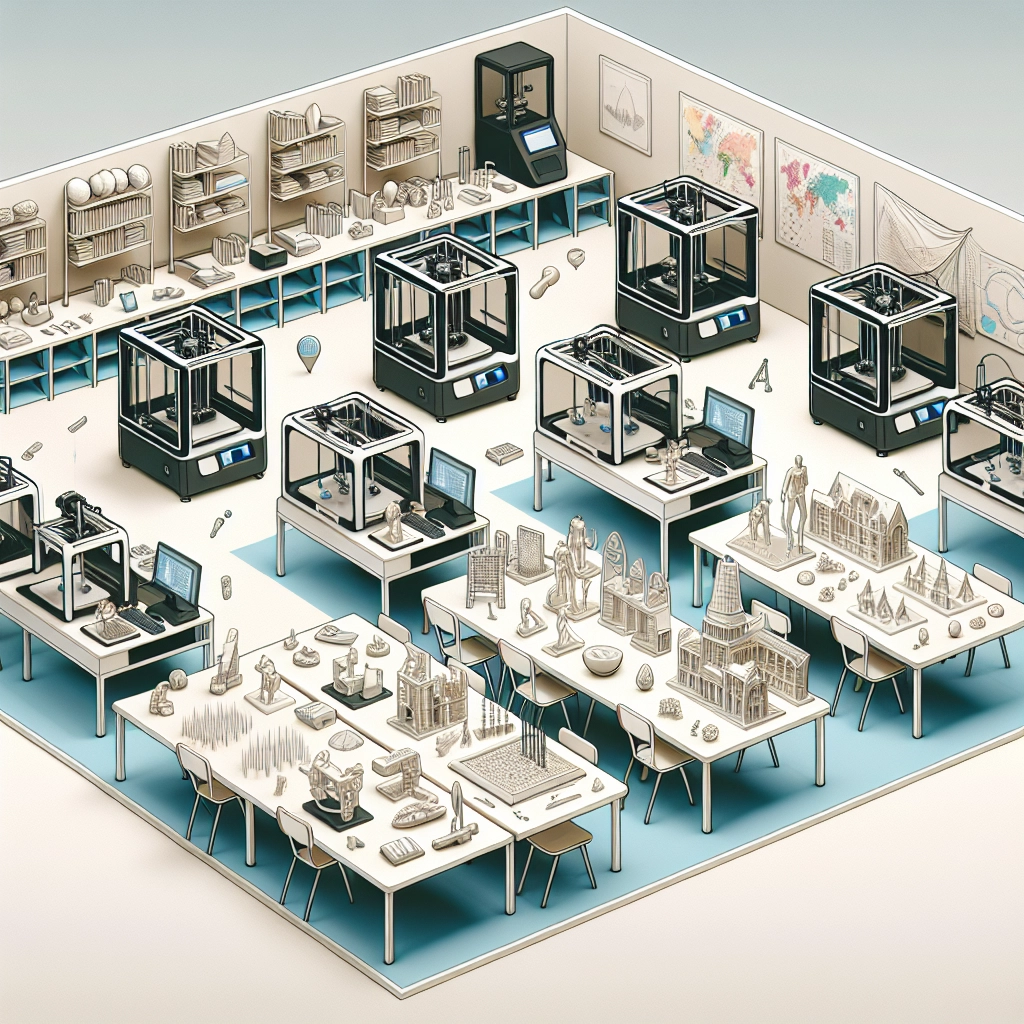
The digital renaissance has gifted us tools and technologies that were once only confined to the realms of science fiction. One of the most exciting among these is undoubtedly 3D printing. From creating prototypes for inventions to crafting personalized art, 3D printing is revolutionizing industries, and it’s also captivating the next generation in schools. Imagine walking into a classroom filled with students buzzing with creativity, collaborating on projects like engineers, and using their imagination to bring concepts to life. This is the magic of 3D printing in education.
The Power of Tangible Learning
At its core, 3D printing offers a unique opportunity for hands-on learning. Think back to the days of learning geometry with just a pencil and paper. Now imagine students actually building geometric shapes they once learned about in theory, feeling the angles and surfaces with their own hands. With 3D printing, concepts that seemed abstract can become tangible, allowing students to grasp complex topics through real-world applications.
For example, biology students can print anatomical models, making it easier to understand the human body. Likewise, history classes can create replica artifacts that give insights into different cultures and times. The possibilities are endless! This hands-on approach cultivates critical thinking and enhances problem-solving skills, giving students an invaluable foundation for their future careers.
Boosting Creativity and Innovation
The creativity sparked by 3D printing in schools is nothing short of inspiring. Students can design and print everything from toys to tools, transforming their ideas into reality. Imagine a group of students tasked with designing a solution to a real-world problem, such as creating a new tool for gardening. They brainstorm, sketch, and ultimately use 3D software to visualize their concepts. Then comes the best part—they can bring their visions to life by printing their designs.
This iterative process fosters innovation. Students learn that failure is just a stepping stone to success. When their first design doesn’t hold up, they can tweak it and try again. This “fail fast, learn fast” mentality is crucial not only in academia but in life and the workforce too.
Collaboration and Teamwork
3D printing isn’t just about individual projects; it’s a melting pot for teamwork. When students collaborate on projects, they cultivate communication skills that are vital for future success. Imagine a classroom where students, each with their unique strengths, come together to tackle a challenge. One might be adept at sketching designs, while another excels at programming the printer. Working together, they learn to value each other’s contributions, a nurturing ground for lifelong partnerships and friendships.
Schools can foster this teamwork by setting up challenges and competitions—much like a science fair but with a high-tech twist. These initiatives can even extend beyond the classroom walls, engaging students with local businesses or community projects. The feeling of contributing something meaningful can motivate young minds more than any textbook ever could.
Real-World Applications and Career Readiness
As education continues to evolve, it is crucial to prepare students for a rapidly changing job market. Industries from manufacturing to healthcare are utilizing 3D printing technology in innovative ways. By incorporating 3D printing into the curriculum, schools are not only teaching students how to use a tool; they are equipping them with skills that will be essential in their future careers.
Companies increasingly seek candidates who are familiar with 3D modeling software and can think critically about design and production. Schools that embrace 3D printing can help students move beyond basic computer skills and into advanced areas of design thinking and engineering principles. Plus, it can spark interest in STEAM (Science, Technology, Engineering, Arts, and Mathematics) fields where many opportunities await.
Overcoming Challenges
Of course, integrating 3D printing into schools isn’t without its hurdles. And while there’s a wide array of affordable printers and materials available today, budget constraints can be a tough nut to crack for many educational institutions. Additionally, not all teachers may feel confident embracing this technology right away. It’s important for schools to invest in training and resources to empower educators in this new frontier.
Moreover, fostering an inclusive environment where all students feel entitled to express their creativity, regardless of their prior experience with technology, is paramount. Ensuring different types of learners can engage with 3D printing will enrich the classroom experience.
As we continue to advocate for innovations in education, the impact of 3D printing in schools represents a promising frontier. By empowering students hands-on with cutting-edge technology, we’re not just teaching them to print; we’re teaching them to dream, innovate, and solve the challenges of tomorrow. When schools embrace the potential of 3D printing, they don’t just create makers; they nurture the next generation of visionaries and problem solvers ready to take on the world.