


From Nylon to PLA: Understanding 3D Filaments and Their Uses
Have you ventured into the fascinating world of 3D printing? If so, you’ve probably discovered that the filament you choose can drastically affect your project’s outcome. With a wide range of materials at your disposal, from classic Nylon to eco-friendly PLA, knowing which filament to use can be overwhelming—especially for beginners. So, let’s take a dive into the sea of 3D filaments and uncover the unique properties, strengths, and best uses for each!
What is 3D Filament?
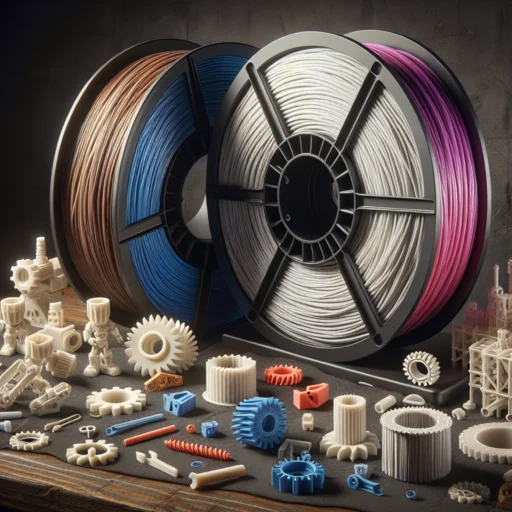
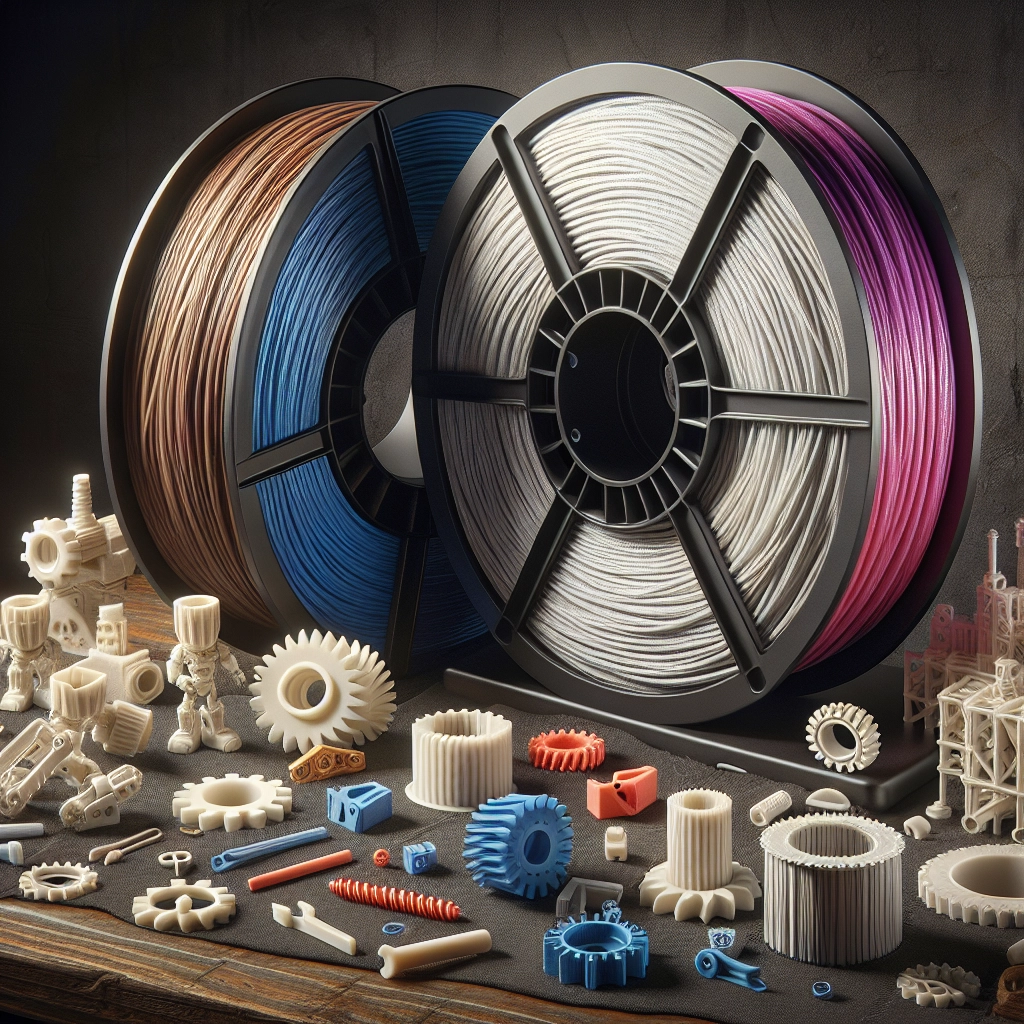
At its core, 3D filament is the material used in 3D printers to create objects layer by layer through a process called additive manufacturing. Typically available in spools, filaments come in different diameters—most commonly 1.75mm and 2.85mm. The choice of filament can drastically change your printing experience and the quality of the final print, so it’s worth getting to know the options available to you.
PLA (Polylactic Acid)
Let’s start with the darling of the 3D printing world: PLA. This biodegradable plastic is made from renewable resources like corn starch or sugarcane. Thanks to its user-friendly nature, PLA is often the filament of choice for beginners and hobbyists. It has a low melting temperature, which means it doesn’t warp easily, making it perfect for everyday prints. You can turn out some beautiful, intricate designs with a glossy finish, which is another reason it’s popular for artistic projects.
Best Uses
- Prototyping: Getting your ideas on paper into a tangible format.
- Cosplay props: For lightweight designs and decorations.
- Toys & models: Because of its safety and ease of printing.
ABS (Acrylonitrile Butadiene Styrene)
Next up is ABS, a heavyweight champion among 3D filaments. Known for its strength, flexibility, and heat resistance, ABS is a popular choice for functional parts. However, working with it requires a bit more finesse. As it cools, ABS can warp and emit fumes, which means proper ventilation and a heated bed are almost necessary to achieve the best results.
Best Uses
- Functional prototypes: When durability matters most.
- Household items: Like phone cases or car parts.
- Mechanical components: Thanks to its high impact resistance.
PETG (Polyethylene Terephthalate Glycol)
If you’re searching for the best of both worlds between PLA and ABS, then look no further than PETG. This filament is known for its ease of use and durability. It combines the good printing qualities of PLA with the toughness of ABS, making it resistant to impacts and temperature changes. Plus, it’s food-safe, which makes it a great choice for more practical applications.
Best Uses
- Containers: For food and drinks, thanks to its food-safe nature.
- Outdoor designs: Because of its UV resistance.
- Functional parts: When you need something strong yet flexible.
Nylon
Now, let’s explore Nylon, a powerhouse filament known for its toughness and flexibility. If you need strength for your 3D printed projects, Nylon is your go-to. However, it does have some quirks, such as requiring a high printing temperature and being prone to moisture absorption. So, if you plan to work with Nylon, it’s best to keep it stored properly and print in a controlled environment.
Best Uses
- Functional prototypes: That need to endure stress and wear.
- Ropes and hinges: Due to its strength and flexibility.
- Mechanical parts: As it can withstand continuous use.
TPU (Thermoplastic Polyurethane)
Don’t forget about TPU, the flexible superstar of the group! This elastic filament is ideal if you want to dabble in creating flexible or rubber-like models. While it can be a bit challenging to work with compared to more rigid filaments, TPU opens up a world of creative possibilities for items that require bending and stretching.
Best Uses
- Wearable tech: Such as wristbands and flexible components.
- Mobile phone cases: For a snug fit with shock absorption.
- Custom gaskets and seals: In various engineering applications.
Choosing the Right Filament
Ultimately, the best filament for your project depends on what you’re trying to achieve. Consider factors like durability, flexibility, temperature resistance, and ease of printing. Each filament comes with its set of advantages and challenges, and knowing how to navigate through these can help you unleash your creativity!
In the ever-evolving landscape of 3D printing, the choice of filament is a critical building block for your success. As you become more familiar with these materials, don’t hesitate to experiment and discover which ones resonate with your individual style and needs. The journey of 3D printing is one of exploration and innovation, and understanding your tools is just the beginning of bringing your wildest ideas to life!