



The Best Practices for Storing Your 3D Filaments
If you’re a 3D printing enthusiast, you know that the quality of your prints largely depends on how you store your filaments. Proper storage can make the difference between a successful print and one that’s riddled with issues. Let’s explore some of the best practices for storing your 3D filaments, so you can achieve those beautiful designs without any hiccups along the way.
Keep It Dry
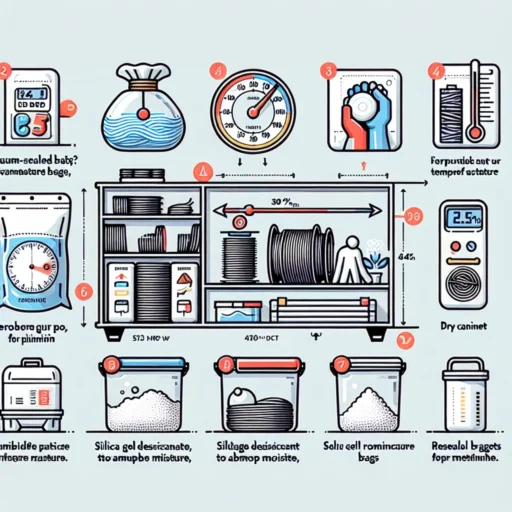
Moisture is a filament’s worst enemy. Most standard filaments, like PLA and ABS, will absorb moisture from the air, which can lead to bubbling and poor print quality. To combat this, keep your filaments in a dry environment. A sealed plastic container with desiccant packs works wonders to absorb any moisture. You can often find these packs in new products or with food items, so don’t throw them away!
For those who print with more hygroscopic materials like Nylon or PVA, investing in a dedicated filament dryer can be especially helpful. Many models allow you to heat the filament gently, effectively removing moisture without damaging the material.
Temperature Control
Temperature isn’t just about keeping things cool; it can also affect the elasticity and flow of your filaments. Ideally, store your filaments in a space where the temperature is stable, away from direct sunlight and heat sources. Excessive heat can cause filaments to deform over time, which may affect their printing capabilities. A nice, moderate room temperature is generally perfect.
If you live in an area with extreme temperature fluctuations, consider using insulated storage solutions. This could be anything from a simple insulated box to more complex craft storage units specifically designed for this purpose.
Dark and Cool
Like vampires, filaments don’t like sunlight. UV light can degrade the quality of many filament types, especially those that are colored or transparent. When you’re not using your filaments, store them in a dark, cool place. Use opaque containers whenever possible, or cover them with something dark that can block out the light. Not only will this keep your filaments in tip-top shape, but it will also free up some space in your workspace!
Keep It Organized
Filament organization might seem trivial, but trust me, it can save you a lot of time and hassle in the long run. A cluttered workspace makes for a cluttered mind! Labeling your filament spools will help you keep track of what you have and what you might need to restock. Consider a dedicated shelving unit or a designated drawer for your filaments, so you can grab what you need and get back to creating.
Use a Filament Storage System
If you’ve amassed quite the collection, it may be worth investing in a specialized filament storage system. These are designed to store spools in a way that they are easily accessible while keeping them sealed away from moisture and light. Some of these systems even include heaters to keep your filaments in prime condition!
Avoid Exposed Spools
If you’re not using spool holders or simply have some loose spools lying around, you might think it’s fine to leave them out. However, exposed spools are at a higher risk of getting dust, debris, or moisture on them, which can contaminate your filament. Whenever possible, keep your spools stored in their original packaging or cover them when not in use.
Regularly Check the Quality
Lastly, every so often, it’s a good idea to inspect your filaments for any signs of deterioration. Look for discoloration, brittleness, or any weird knots. If you notice anything off, it’s a good opportunity to rethink your storage practices or replace the filament altogether. Regular quality checks can help save you time and frustration when you finally get around to that project you’ve been dreaming about.
By implementing these best practices, you can extend the life of your 3D filaments and improve the quality of your prints. So, take a moment to review your current storage solutions and see where you can make improvements. Happy printing!


