


3D Printing Safety: Best Practices You Should Follow
With the rise of 3D printing technology, we’re no longer limited to just dreaming up imaginative designs; we can bring them into reality right from the comfort of our homes or shops. However, along with the excitement of creating, there comes a significant responsibility to consider safety. Whether you’re a first-time hobbyist or a seasoned pro, understanding and implementing best practices in 3D printing is essential to ensure both your safety and the quality of your prints.
1. Know Your Materials
One of the first steps to ensuring safety is getting familiar with the materials you’re working with. Different filaments behave differently during the printing process and can emit various fumes. For example, PLA (polylactic acid) is generally considered one of the safest materials as it’s made from biodegradable sources, like corn starch. On the other hand, ABS (acrylonitrile butadiene styrene) can emit potentially harmful fumes when heated, so it’s essential to use it in a well-ventilated area.
Always research the specific properties and potential hazards of any material before using it. This can include understanding proper storage, handling, and what to do in the event of exposure—such as skin contact or inhalation. The safety data sheets (SDS) provided by manufacturers can be invaluable in this regard.
2. Set Up Your Printing Space Wisely
Where you set up your 3D printer matters. Designate a dedicated workspace that’s well-ventilated to help disperse fumes and reduce inhalation risks. If possible, try to print in a garage, workshop, or similar area where air circulation is abundant. If indoors, open windows or use fans to help move air around.
Keeping your workspace organized can also minimize accidents. Ensure that there’s a clear path for the printer’s moving parts, and try to eliminate any clutter that might lead to injuries or damage.
3. Use Protective Gear
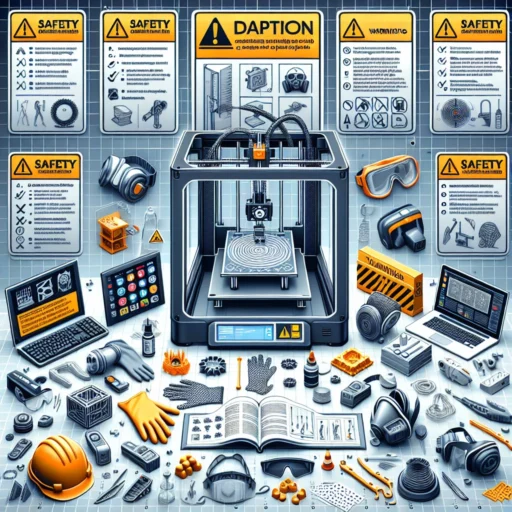
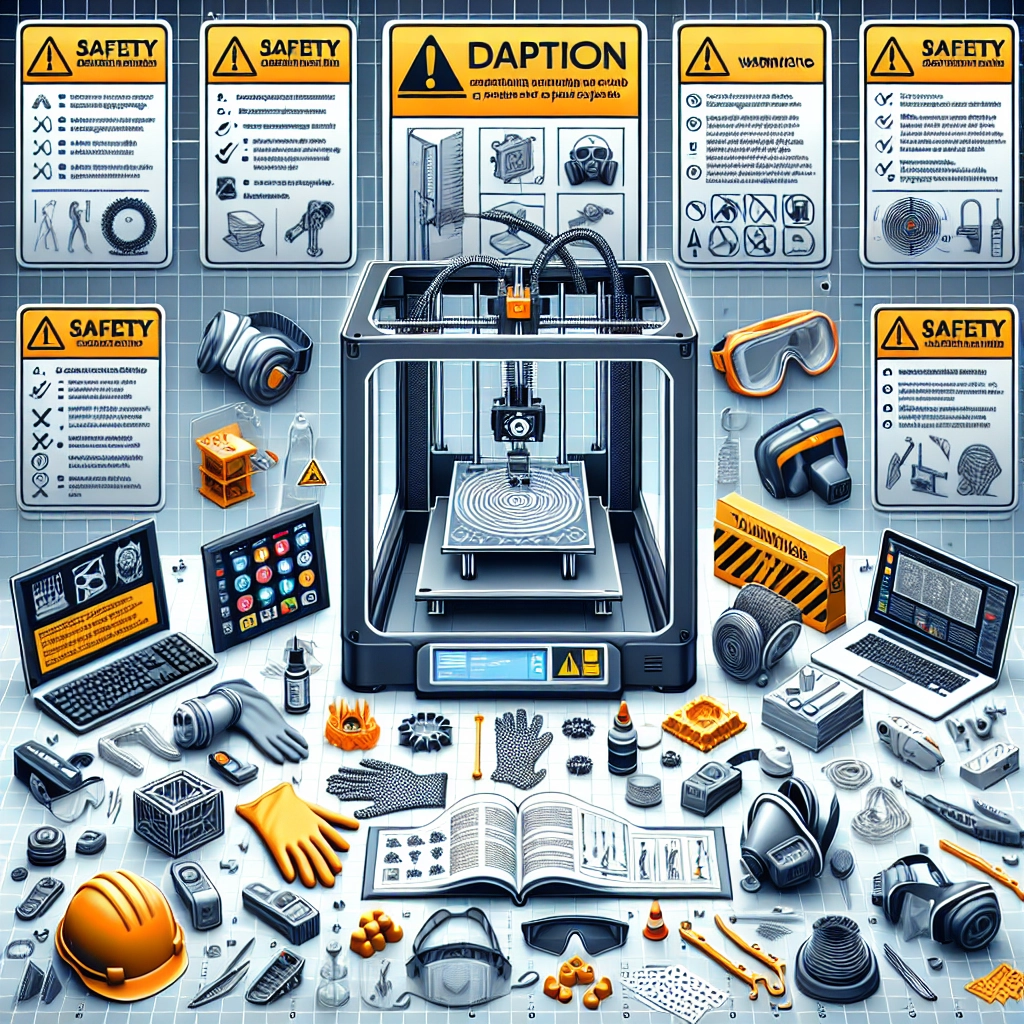
Depending on the materials and processes you’re using, personal protective gear might be necessary. For filaments that release fumes, a mask with the appropriate rating can help filter out harmful particles. Adding safety goggles can prevent any splashes from resin or other liquids from getting into your eyes.
If you’re working with heated beds or components, heat-resistant gloves may be helpful to avoid burns. Being prepared with the right gear is a proactive way to mitigate risks.
4. Monitor the Printing Process
When it comes to 3D printing, it’s crucial to monitor your printing sessions, especially with larger or more complex designs. Unattended printing can lead to unfortunate mishaps, like filament jams or fire hazards due to overheating.
Consider investing in a printer with built-in safety features, such as automatic shut-off mechanisms in case of a malfunction or temperature control. If your printer doesn’t have these features, consider keeping an eye on it in real-time or investing in a webcam that allows remote monitoring. The peace of mind you gain is worth it.
5. Handle Tools and Equipment with Care
While it might be easy to get swept away in the excitement of your new hobby, it’s crucial to handle tools and equipment wisely. Many 3D printers come with sharp tools for maintenance, like scrapers and cutters, which can cause serious injury if not handled correctly.
Always use tools for their intended purpose, and never rush through cleaning up excess filament or removing prints from the bed. If something feels off or seems difficult to handle, take your time instead of forcing it. A little patience can prevent a visit to the ER!
6. Learn About Fire Safety
Fires are rare but can occur with 3D printers, primarily due to faulty wiring or overheated components. Keep a fire extinguisher nearby, specifically one that’s rated for electrical fires (like an ABC extinguisher), and familiarize yourself with its operation. Additionally, don’t leave your printer running when you leave the house, and if you ever smell burning plastic or see smoke, turn off your printer immediately.
7. Stay Up-to-Date
3D printing technology is an ever-evolving field, with new materials and safety practices being developed constantly. Stay updated with the latest research, safety guidelines, and community practices to ensure that you are always printing safely.
Join online forums, attend workshops, or simply connect with fellow hobbyists to discuss safety measures and best practices. Sharing experiences and knowledge is a fantastic way to create a safer environment for everyone involved in 3D printing.
In summary, while 3D printing can be incredibly rewarding both creatively and practically, it’s crucial to prioritize safety. By thoroughly understanding your materials, setting up a safe workspace, using protective gear, monitoring your printing, handling tools with care, being prepared for fire risks, and staying informed—you’re well on your way to enjoying this technology without sacrificing your well-being. So, go ahead and unleash your creativity but remember, safety first! Happy printing!