
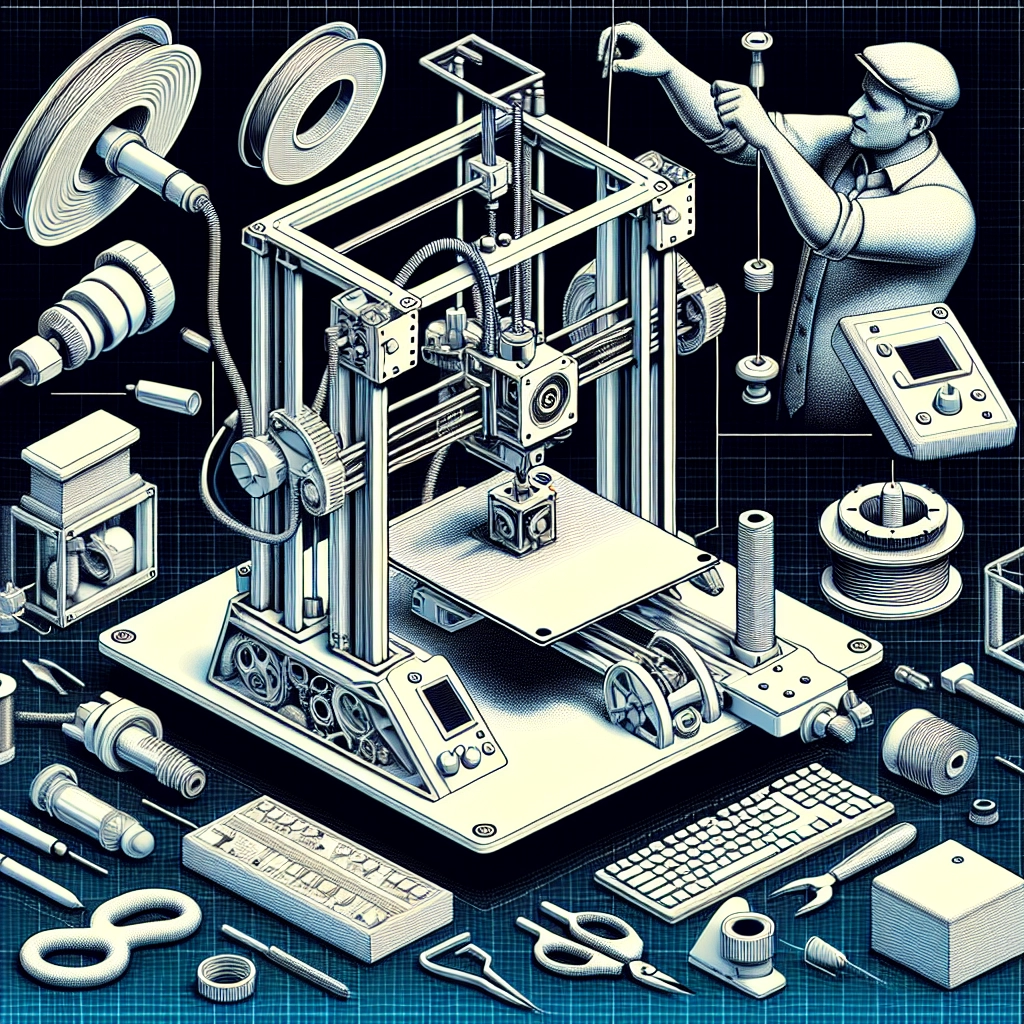

The Importance of Printer Calibration in 3D Printing
Ah, the magic of 3D printing! It’s a world where ideas spring to life right before your eyes. Whether you’re creating prototypes, crafting an artistic masterpiece, or bringing to life a much-needed tool, a well-calibrated 3D printer is key to achieving those stunning results. But let’s face it—printer calibration isn’t always the most exciting part of the process, right? It can feel repetitive and sometimes downright tedious. However, skipping this crucial step can turn your creative projects into frustration-filled nightmares. So, let’s dive into why printer calibration is essential and how it can enhance your 3D printing experience.
What is Printer Calibration?
At its core, printer calibration is about fine-tuning your 3D printer to ensure that it operates accurately and efficiently. This involves adjusting various settings to make sure that the printer is producing models as intended, with the right dimensions, layer adhesion, and surface finish. Calibration can encompass a range of aspects, including bed leveling, nozzle height, and flow rate, among others.
Why Calibration Matters
-
Precision and Accuracy: One of the most significant reasons to calibrate your printer is to ensure precision. When you tell your 3D printer to create a cube that’s 20mm by 20mm, you want that cube to measure exactly 20mm and not 19mm or 21mm. Calibration helps align your printer’s mechanical parts to ensure it nails those dimensions every time.
-
Improved Print Quality: Calibration directly affects the quality of your prints. A well-calibrated printer produces cleaner lines, better detail, and more vibrant colors. If you’re going for a prototype that needs to clearly represent your design or an intricate model that highlights fine details, you’ll want to invest the time in ensuring your printer is set up just right.
-
Material Efficiency: We all want to save on filament costs, right? Calibration can help with that as well. A printer that’s flowing the correct amount of material is less likely to waste filament or produce extra stringing and oozing, which can save you money in the long run.
-
Reduced Printing Time: Discrepancies in calibration can lead to prints taking longer than necessary due to repeated adjustments and failed attempts. An accurate and well-calibrated printer minimizes mistakes, so you can focus more on creating rather than correcting.
-
Enhances Your Skills: Regular calibration processes can assist you in becoming more attuned to your printer and better understanding the 3D printing process overall. It can help you troubleshoot problems, make informed changes, and even inspire creativity as you see firsthand how each adjustment impacts your prints.
Steps for Printer Calibration
Okay, so you’re convinced that calibration is crucial. But where do you start? Here are some foundational steps you can take to calibrate your printer:
-
Level the Build Plate: The first step is often ensuring that your build plate is perfectly leveled. An uneven plate can lead to issues ranging from poor adhesion to failed prints. Using a piece of paper or a feeler gauge can help you get the right distance between the nozzle and the plate.
-
Set the Nozzle Height: Adjusting the nozzle height to match the specific characteristics of your printer is critical. This height influences how well the first layer adheres. It’s often considered the most important part of the calibration process.
-
Calibrate the Flow Rate: Your printer’s flow rate needs to match the filament’s specifications. You can typically perform a flow calibration by printing a test model and measuring the output. This step ensures your printer is extruding the correct amount of filament.
-
Print Calibration Models: Utilize calibration models available online, such as temperature towers and overhang test prints. These can help you assess different aspects of your printer, from temperature settings to extrusion widths.
-
Iterate and Adjust: Calibration isn’t a one-and-done thing. Regularly revisit these steps to account for wear and tear on your printer or changes in materials. This is especially important as you switch between different types of filaments.
While calibration may feel like a chore, it’s truly the backbone of successful 3D printing. Just think of it as laying a strong foundation before building a skyscraper. When you invest time into calibration, you’re not only ensuring top-notch prints but also enhancing your overall 3D printing experience. So take a deep breath and embrace the calibration ritual—it’s your ticket to creating impressive models that you can be proud of!