

The Importance of Bed Adhesion in 3D Printing
If you’re diving into the exciting world of 3D printing, you might have come across the term “bed adhesion.” It’s one of those catchphrases that experienced makers toss around, but what does it actually mean, and why is it so crucial to the success of your print? Whether you’re a seasoned veteran or a curious newcomer, understanding bed adhesion can save you a lot of headaches (and failed prints) down the line.
What is Bed Adhesion?
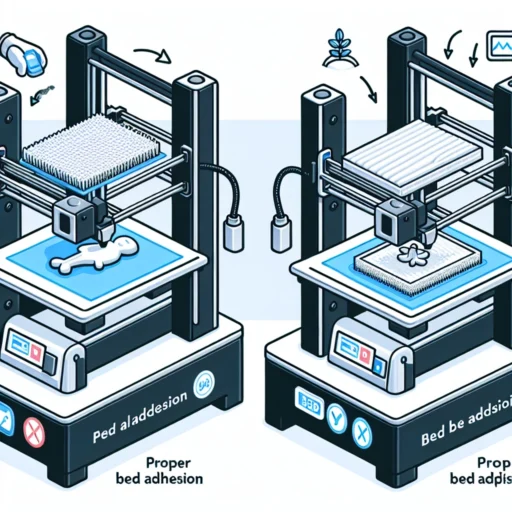
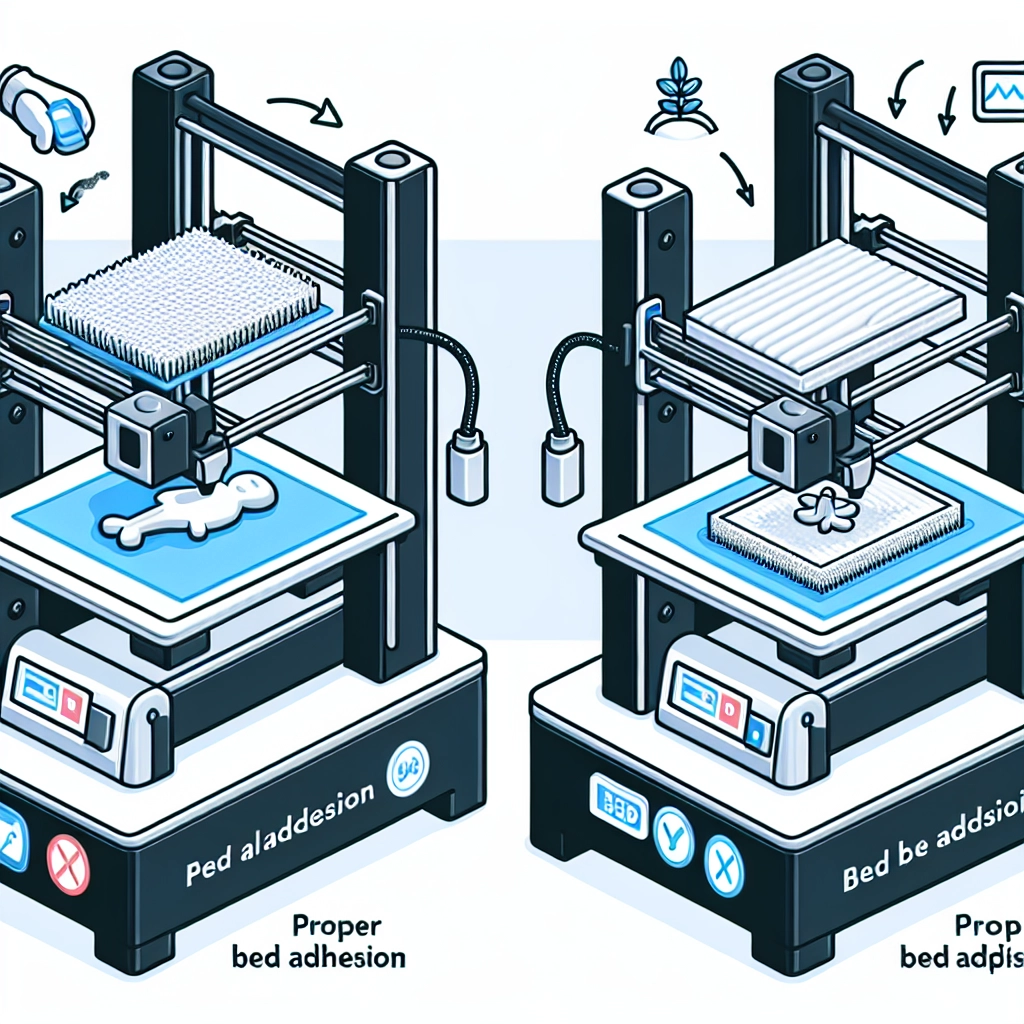
At its core, bed adhesion refers to how well your 3D print sticks to the build plate (or print bed) during the printing process. Think of it as the glue that keeps your creation anchored in place while it forms layer by layer. Good bed adhesion is essential for ensuring that prints don’t warp, lift off, or cause other frustrating issues that can derail your printing adventure.
When you start printing, the first few layers are particularly vital. If they don’t stick properly, the entire print can shift or break free, resulting in a pile of filament instead of a beautiful 3D model. Even the tiniest misalignment can ruin your print, so achieving that perfect grip with your build surface is where the magic happens.
Why is Bed Adhesion Important?
-
Improved Print Quality: Proper bed adhesion helps to create a solid foundation for your models. This foundation ensures that the layers bond correctly and that the final result is a clean and accurate representation of your design. Poor adhesion can lead to issues like stringing, warping, or even complete print failure.
-
Time and Material Saving: Nothing is more frustrating than watching a multi-hour print fail halfway through. By ensuring that your first layer adheres properly, you can save time and, of course, those precious spools of filament. No one wants to toss out a print that should have worked perfectly!
-
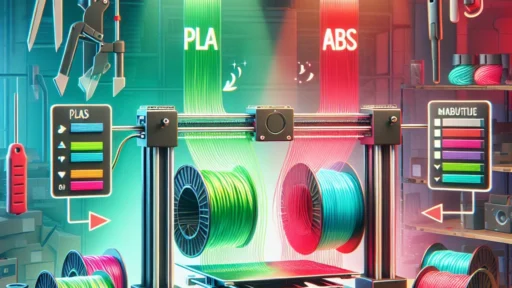
Compatibility with Various Filaments: Different materials have unique properties that can affect bed adhesion. If you’re exploring various types of filament—like PLA, ABS, PETG, or even flexible materials—each may require specific bed adhesion techniques and surfaces. Understanding this can help you adapt and succeed in a variety of projects.
-
Reduced Need for Support Structures: When your print sticks to the bed well, it reduces the need for excessive support structures, which can be tricky to remove and might not always provide the aesthetic results you’re after. A strong initial adhesion allows prints with complex geometries to hold firm, resulting in a cleaner final product.
How to Achieve Good Bed Adhesion
Now that we’re all on the same page about why bed adhesion matters, let’s talk about how you can achieve it. Here are some tried-and-true methods:
-
Level the Print Bed: Start with the basics. A properly leveled bed is critical. If your nozzle is too close or too far from the platform, your adhesion will suffer. Invest in a leveling sensor or take the time to do it manually; it’s worth the effort!
-
Temperature Settings: Make sure you’re using the correct bed temperature for your filament type. Some materials stick better at higher temperatures, while others may require cooler environments. Find that sweet spot and ensure you’re heating the bed accordingly.
-
Surface Materials: Different build surfaces provide different adhesion properties. Glass, PEI sheets, or textured surfaces can create varying levels of grip. Experimenting with these can help you find what works best for your projects. Additionally, applying a thin layer of glue stick, hairspray, or even tape can enhance adhesion.
-
First Layer Height and Speed: Adjust your first layer settings to ensure the nozzle is delivering filament at just the right height and speed. A slower initial print speed allows more time for the filament to adhere to the bed, making a big difference in print stability.
-
Rafts and Brims: If you’re working with tricky filaments or complex designs, don’t shy away from brims or rafts. These extra layers can help anchor your model more securely to the bed, providing that additional support when you need it most.
In the end, bed adhesion can be the unsung hero of your 3D printing experience. By taking the necessary steps to understand and enhance this vital aspect of the printing process, you’re not just laying a solid foundation for your creations—you’re also embarking on a more enjoyable and productive journey in the world of 3D printing. So, gear up, and let your printer take you to new heights, one layer at a time!