
3D Printing for Education: Innovating Learning Environments
In recent years, we’ve seen a technological boom that’s reshaping the landscape of education—from smart boards to virtual classrooms. One of the more intriguing innovations making waves is 3D printing. Gone are the days when this tech was reserved for factories or specialized industries; now, it’s opening new doors in classrooms around the globe, bringing a hands-on approach that can transform the way we teach and learn.
What is 3D Printing?
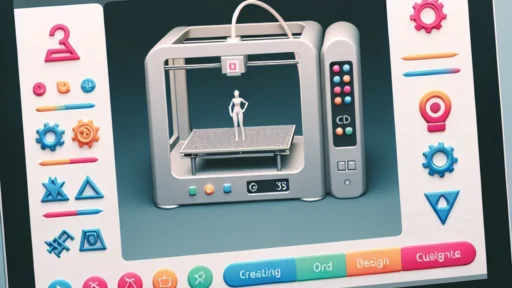
For those who might not be familiar, 3D printing is the process of creating a three-dimensional object from a digital file. Using various materials, such as plastic or resin, printers layer by layer create physical items based on a design, often modeled in CAD software. Imagine being able to go from an idea in your mind to a tangible item in just a matter of hours—it’s pretty incredible!
Engaging Students in STEM Fields
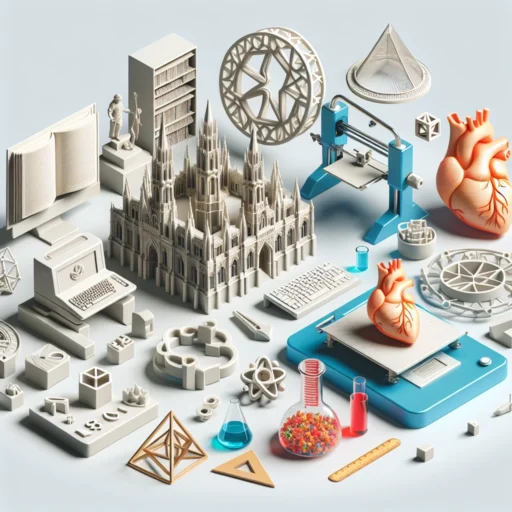
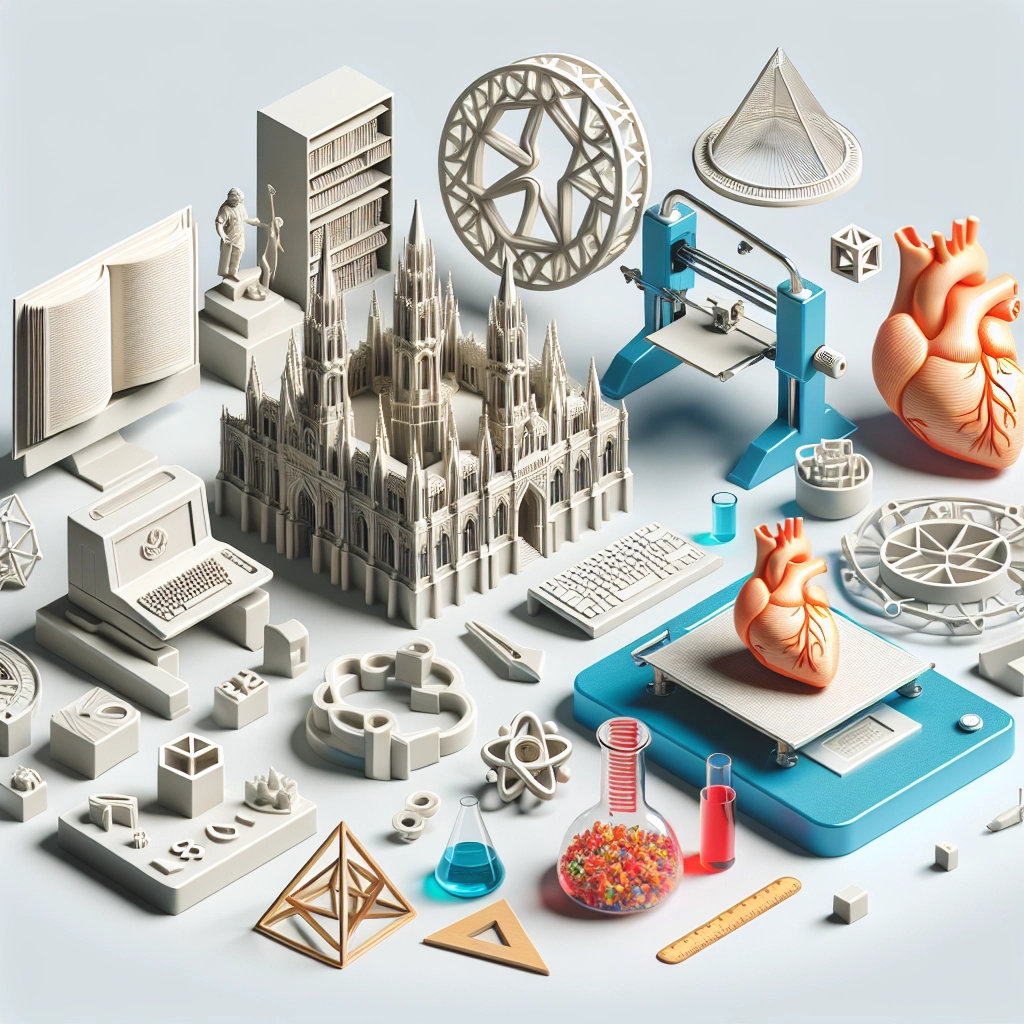
One of the biggest benefits of incorporating 3D printing into the classroom is its ability to enhance STEM (Science, Technology, Engineering, and Mathematics) education. Students can actually design prototypes for engineering challenges or create models to better understand scientific concepts. Think about it: Instead of just reading about the structure of a cell or the solar system, wouldn’t it be more captivating to hold a 3D model in your hands?
With 3D printing, students are not just passive recipients of information. They become active creators, allowing them to engage creatively while also honing their problem-solving skills. Crafting a model of a bridge, for instance, encourages critical thinking as students must consider both the design and the materials needed for construction, making real-world applications tangible.
Fostering Creativity and Innovation
3D printing also serves as an extraordinary outlet for creativity. Imagine art classes where students can design their own sculptures or functional artworks. Instead of traditional two-dimensional projects, young artists can explore their imaginations in a three-dimensional space. Art teachers can guide students through the design process, allowing them to see how their creations can transcend paper and come to life.
Moreover, 3D printing encourages innovation. Students can brainstorm solutions to real-life problems and create prototypes of their ideas. For instance, in a food science class, students might design packaging that minimizes waste or a tool that improves accessibility for individuals with disabilities. By providing this platform, educators are nurturing a generation of thinkers who aren’t afraid to dream big and solve real-world challenges.
Emphasizing Collaboration
3D printing isn’t just about individual projects; it’s also a fantastic tool for collaboration. When students work in teams to create a project, they learn to communicate effectively and share ideas. Imagine a group of students tasked with designing a sustainable city model. They would need to collaborate on various aspects, from transportation systems to energy sources, fostering teamwork skills that are invaluable in both academic and professional settings.
Working together on 3D printing projects can also promote a shared sense of accomplishment as students see their combined efforts materialize into a physical object. This camaraderie can lead to deeper connections within the classroom and help create a supportive learning environment.
Overcoming Challenges
Of course, there are challenges to implementing 3D printing in education. Budget constraints can make acquiring the technology difficult for some schools, but the growing accessibility of affordable printers is helping to bridge that gap. Additionally, teachers need training to navigate the software and printing processes effectively. This is where professional development comes into play—schools can benefit from investing in staff training so educators feel confident incorporating this technology into their curriculum.
Moreover, it’s essential to integrate 3D printing purposefully, ensuring that it aligns with learning objectives. Using it as an add-on rather than a foundational element could dilute its potential. When integrated meaningfully, however, the benefits are enormous.
The Future of Learning
As we look ahead, 3D printing in education stands out as a game-changer, redefining how students learn and interact with content. It’s not just about making things; it’s about fostering curiosity, encouraging innovation, and preparing students for a rapidly evolving world. With every layer printed, students are gaining valuable skills and perspectives that will empower them to tackle the challenges of the future.
In an age where education needs to adapt continuously, embracing technologies like 3D printing can invigorate not just the classroom, but also the minds of the students within it. So, whether you’re an educator, a parent, or just someone interested in the future of learning, consider how the hands-on nature of 3D printing could provide a spark in the educational journey of young learners everywhere.