

Understanding the Role of Support Structures in 3D Printing
3D printing has rapidly transformed how we create objects, allowing for intricate designs that were once unimaginable with traditional manufacturing methods. However, as fascinating as this technology is, one critical aspect that often gets overlooked is the role of support structures. Whether you’re a seasoned maker or just getting your feet wet in the world of additive manufacturing, understanding support structures is essential for successful prints.
What Are Support Structures?
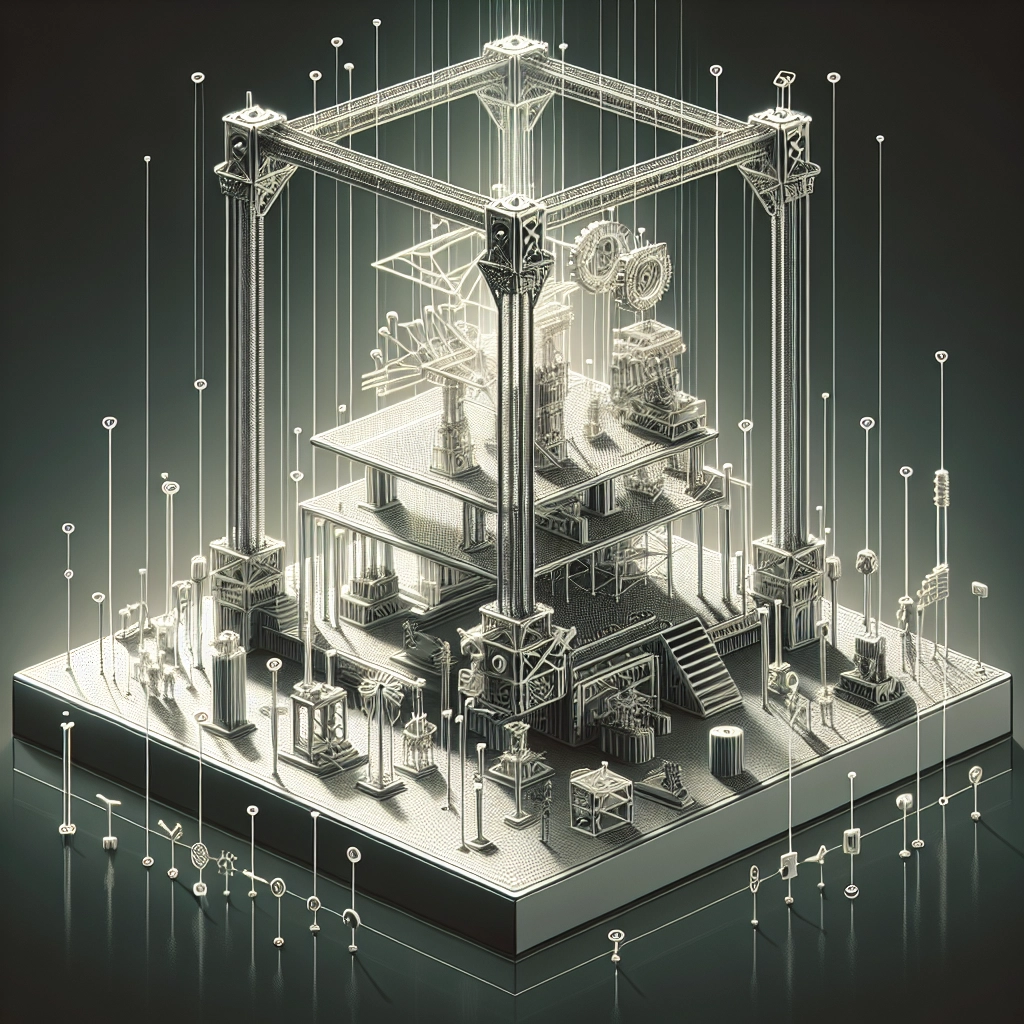
In the realm of 3D printing, support structures are temporary frameworks that are added to a model to prevent it from collapsing during the printing process. They act as a scaffolding for overhanging features or complex geometries that wouldn’t stand on their own. Think of them as a safety net for your designs, ensuring that each layer has a solid foundation beneath it.
Why Do We Need Them?
When 3D printers lay down material, they do so in layers—one on top of the other. Without support structures, any overhangs or features that extend outward beyond a certain angle (usually around 45 degrees) are at risk of drooping or failing entirely. This not only leads to a mess of melted filament but can also ruin hours of hard work put into designing a model.
Support structures are particularly important in applications where precision is key, such as in functional prototypes, art pieces, and complex mechanical components. They help ensure that every angle of your design retains its intended shape, resulting in a clean, successful print.
Types of Support Structures
In 3D printing, there are several types of support structures that you can utilize, depending on your printer and material:
-
Grid Supports: This is a popular choice for many, made up of a mesh-like grid that provides ample support while using less material than a solid block. They minimize material usage and are relatively easy to remove post-print.
-
Tree Supports: These structures branch out from one central point to reach multiple areas of a model, much like the branches of a tree. This design allows for more efficient use of material and reduces the contact area with the printed part, making it easier to remove.
-
Organic Supports: Created by advanced slicing software, organic supports use algorithms to generate support structures based on the shape of the model. They are optimized for strength and can greatly reduce the amount of filament used.
Each type of support has its pros and cons, so the choice often comes down to the specifics of your project.
Challenges of Support Structures
While support structures serve a critical purpose, they do come with their own set of challenges. One common issue is the material marking on the final print. Depending on how tightly the supports adhere to the model, removing them can sometimes leave behind unsightly scars or imperfections. This can require additional finishing work, such as sanding or smoothing, to achieve the desired look.
Moreover, support structures can sometimes interfere with intricate details, especially in detailed prints. They might obscure fine features that you spent time perfecting in your design, leading to frustration when the final product doesn’t match your vision.
Tips for Effective Support Use
-
Angling Your Design: If you can adjust the angle of your design, you might be able to minimize the amount of support needed. Often, small changes in orientation can drastically reduce support requirements.
-
Experiment with Settings: Most slicing software comes with various settings to customize support structures, including density and height. Feel free to play around and find the best combination that works for your specific print.
-
Understand Your Material: Different materials react differently to support structures. For instance, some filaments are easier to remove than others. Knowing your material’s properties can help you optimize your support strategy.
-
Post-Processing: If you end up with marks or imperfections, don’t be afraid to embrace post-processing techniques. Sanding, painting, or using chemical smoothing methods can elevate your print and hide any support-related blemishes.
3D printing is a journey of discovery, and support structures are key players in that adventure. They can optimize the process, enhance print quality, and allow for the most complex designs. By understanding and effectively managing these supports, you’re not just making prints; you’re creating successful works of art that reflect your vision. So, the next time you fire up your 3D printer, take the time to consider your support structures—they just might make all the difference in your final design!