

Innovations in 3D Filament Technology: What’s on the Horizon?
The world of 3D printing has come a long way in recent years, evolving from a niche hobby into a widespread technology that influences industries ranging from healthcare to architecture. One of the key components fueling this revolution is 3D filaments—the materials that make our 3D printing fantasies come to life. As we look toward the horizon, several innovative trends and breakthroughs in 3D filament technology promise to transform the way we create and construct.
Biodegradable and Eco-Friendly Filaments
Let’s kick things off with a topic that’s increasingly critical in our world today: sustainability. Environmentally-friendly filaments are taking the spotlight thanks to a growing demand for eco-conscious materials. Companies are developing filaments made from renewable resources, such as PLA (polylactic acid), which is derived from cornstarch or sugarcane.
But that’s just the beginning. Innovations in bioplastics are leading to new, advanced materials that not only perform well but also decompose naturally, relieving some of the waste issues associated with traditional plastics. Brands like Filabot and BioFusion are already experimenting with 100% biodegradable filaments, offering options that are flexible, strong, and, best of all, kind to our planet. As more people recognize the importance of reducing plastic waste, it’s exciting to think about how these filaments can mesh with our desire for creative expression and ecological responsibility.
Multi-Material and Composite Filaments
Another thrilling development is the rise of multi-material and composite filaments. These are combinations of different plastics and additives that create unique characteristics tailored to specific applications. Imagine a filament that maintains the flexibility of rubber while being lightweight and strong like ABS! With the innovation of composite filaments, this is becoming a reality. For instance, filaments infused with carbon fiber or metal particles not only enhance overall strength but also add a touch of style and sophistication to your prints.
Moreover, dual-extrusion printers allow users to print with two different materials simultaneously, paving the way for more complex designs and functions in a single print. The integration of multiple materials means creators can develop objects that respond to physical conditions, like changes in temperature or moisture, enabling a whole new realm of adaptable design. It’s like unleashing a superhero team of materials to fight your printing constraints!
Temperature-Resistant and High-Performance Filaments
In specialized fields, such as aerospace and automotive industries, high-performance, temperature-resistant filaments are becoming vital. Filaments like PEEK (Polyether Ether Ketone) and Ultem are gaining traction due to their ability to withstand high temperatures and harsh environments, making them perfect for applications that demand durability without compromise.
Developments in these high-performance materials mean that engineers can design parts that operate in extreme conditions. Imagine the possibilities for custom tools, machinery components, or even prototypes that can handle intense heat without warping or losing strength! These advancements could revolutionize manufacturing processes across several sectors, proving that 3D printing is no longer merely a prototyping solution but a game-changer for production.
Color and Texture Innovations
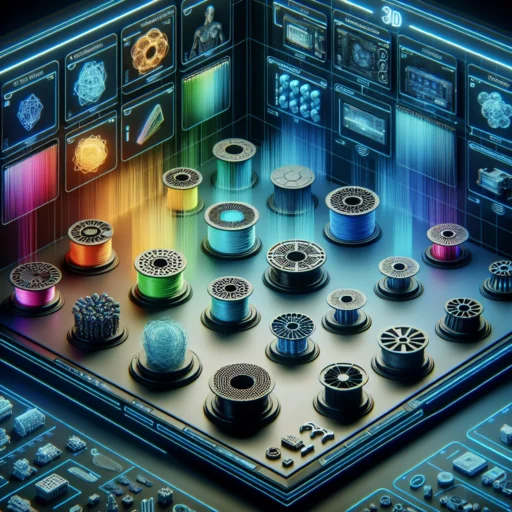
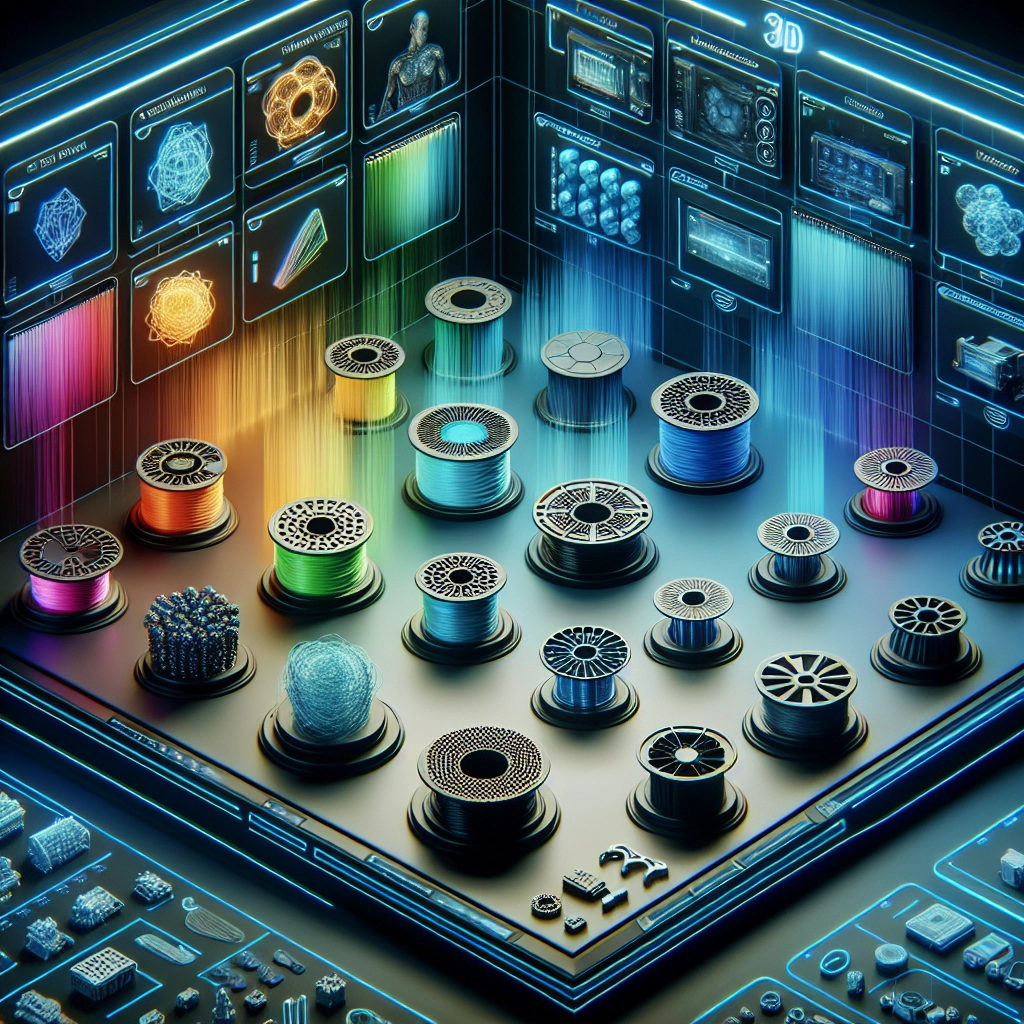
3D printing has always had a unique aesthetic appeal, but exciting advancements in color and texture are making it even more engaging. New filaments are being developed that can produce multi-colored prints with stunning gradients and finishes, allowing for artistic renditions that were previously difficult to achieve.
Additionally, some innovators are experimenting with filaments that mimic the finishes of wood, marble, or even metallic surfaces, giving your prints a more polished, professional look. This means that whether you’re designing a home decor piece or a functional prototype, you can emphasize the aesthetic as much as the functionality. The intersection of art and technology has never looked so vibrant!
Personalized and Customizable Filaments
The future of 3D filament technology isn’t just about stronger materials—it’s also about personalization. Manufacturers are exploring filaments that allow for customization, enabling users to adjust properties like flexibility, opacity, and even weight. This shift is poised to empower creators in ways we’ve only dreamed about.
For example, a hobbyist could fine-tune their filament to produce a specific texture for their next art project, while an engineer might customize a filament better suited for a particular application. The personalization trend could lead to an entirely new market of handcrafted and bespoke items made easier by 3D printing.
As we stand on the cusp of what’s next in 3D filament technology, it’s clear that the landscape is evolving rapidly. The combination of sustainability, performance, aesthetics, and personalization is redefining what’s possible, inspiring both seasoned pros and budding creators alike. Whether you’re a DIY enthusiast or a corporate innovator, the future of 3D printing is full of potential, ready to break boundaries and change the way we view production and creativity. So, get ready to embrace this exciting journey—your next amazing creation is just a print away!