
Tips for Sourcing High-Quality 3D Filaments
3D printing has revolutionized the way we create and prototype ideas, whether you’re a hobbyist or a professional designer. One of the most crucial components of a successful 3D printing venture is high-quality filament. The type of filament you choose can significantly impact the final product’s durability, appearance, and overall performance. With a dizzying array of options available in the market today, how can you ensure you’re sourcing the best? Let’s dive into some practical tips for finding top-notch 3D filaments that fit your needs.
Understand the Different Types of Filaments
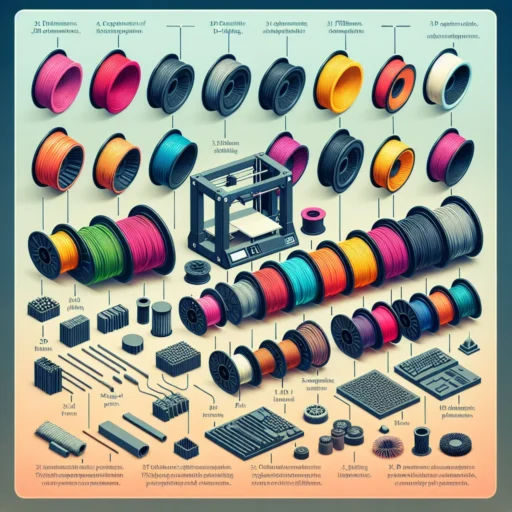
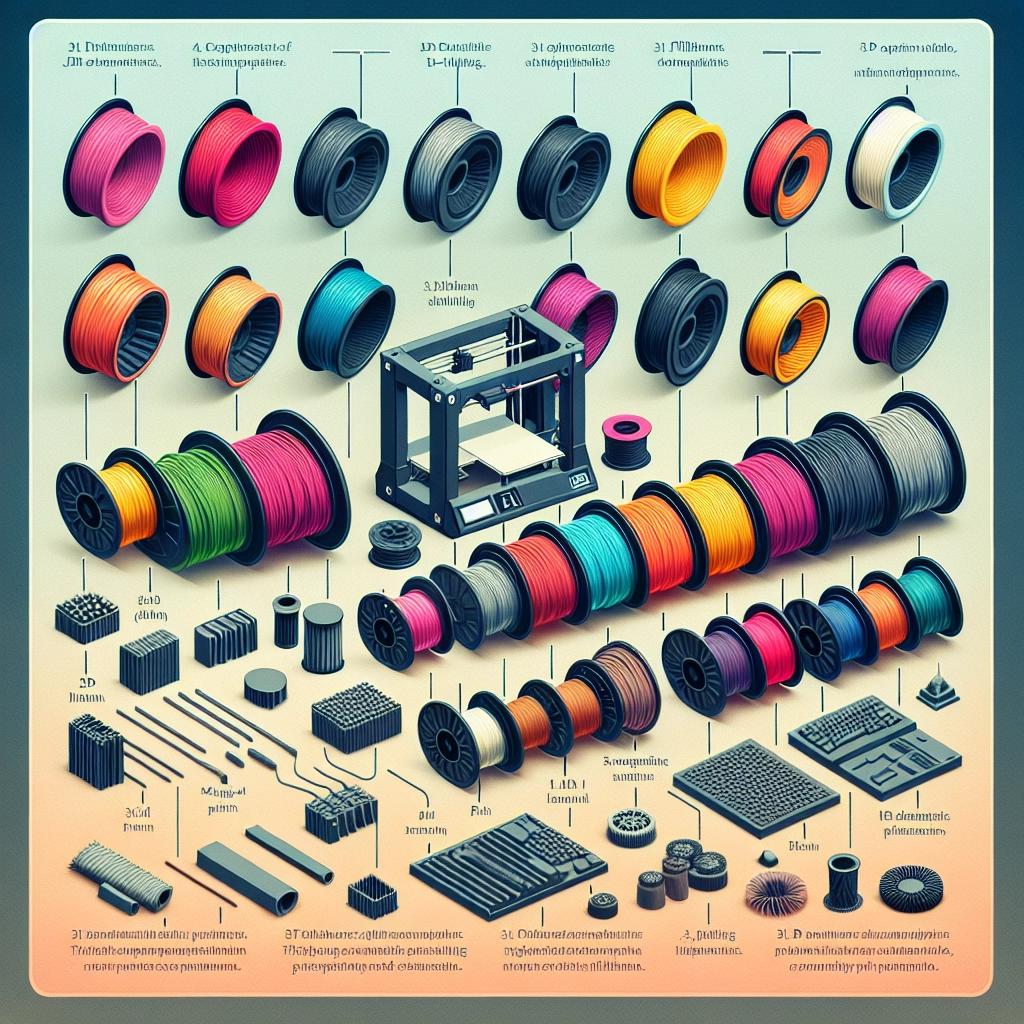
First, let’s clarify the primary types of 3D printing filaments available. The most common types are:
-
PLA (Polylactic Acid): Great for beginners, PLA is biodegradable and comes in various colors. It’s ideal for intricate designs and offers a good finish but may not be suitable for high-stress applications.
-
ABS (Acrylonitrile Butadiene Styrene): This is a more durable option, perfect for functional prototypes. However, it requires a heated bed and can emit fumes during printing.
-
PETG (Polyethylene Terephthalate Glycol): This filament combines the ease of printing of PLA with the strength of ABS. It’s resistant to moisture and chemicals, making it perfect for containers and outdoor applications.
-
TPU (Thermoplastic Polyurethane): If you need flexibility, TPU is your go-to filament. It’s great for items that require elasticity, like phone cases or wearable products.
Understanding these types will give you a solid foundation for sourcing filaments that meet your specific needs.
Research Brands and Suppliers
Once you know what type of filament you want, do your homework on reputable brands and suppliers. Popular brands like Hatchbox, Prusa, and MatterHackers have solid reputations and often receive excellent reviews from the community. Don’t shy away from visiting forums or social media groups dedicated to 3D printing. Many enthusiasts love to share their experiences with different brands, giving you real-world insights into filament quality.
You might also want to check out local suppliers or small businesses. Sometimes, you can find hidden gems that offer unique filaments or specialized materials. Plus, shopping locally can support community businesses and often reduce shipping costs and times.
Check Customer Reviews
One of the best ways to gauge the quality of a filament is to look at customer reviews. Sites like Amazon or the manufacturer’s website typically have reviews, where users share their personal experiences, print results, and any challenges they faced. Look out for patterns in these reviews. For instance, if several users mention that a particular filament is prone to clogging, that’s a red flag.
Forums and dedicated 3D printing communities can also be a goldmine of intel. Often, users will post pictures of their prints along with their reviews, giving you a visual indicator of what you can expect.
Consider Filament Properties
Different filaments work best under different conditions. Temperature, humidity, and printer settings can influence the quality of your print. When sourcing filament, pay attention to the manufacturer’s specifications—look for details such as recommended printing temperature and bed adhesion methods.
Additionally, if you’re planning to print parts that will be exposed to the elements, like outside garden decorations, consider sourcing weather-resistant materials. Some filaments are treated to withstand UV light and moisture, making them ideal for outdoor use.
Look for Testing and Certifications
When it comes to quality assurance, the best filaments often come with testing and certifications. Brands that go the extra mile to ensure their products meet certain standards can help save you from headaches down the road. Look for filaments that specify they’ve passed quality tests for diameter consistency, moisture content, and other important metrics.
Consider Cost vs. Quality
While it can be tempting to go for the cheapest option, remember that you often get what you pay for in the world of 3D printing. Inexpensive filaments may save you money upfront but could lead to wasted prints, clogged nozzles, or poor-quality outputs. It might make more sense to invest in slightly higher-priced, quality filaments that ensure smoother printing and more reliable results.
Don’t Forget to Experiment
Finally, sourcing high-quality filaments is often about experimentation. Don’t hesitate to try different brands or types of filament to see what works best with your particular printer. Each printer and print job can behave differently based on various factors, so finding the right combination might involve some trial and error.
In the end, quality filaments can make a world of difference in your 3D printing projects. Armed with these tips, you’re better prepared to navigate the filament marketplace and find options that not only meet your needs but also elevate your creations to the next level. Happy printing!