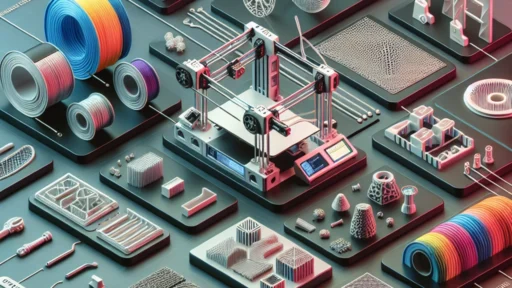
Integrating 3D Printing into Your Small Business Strategy
In the world of small business, innovation can often be the key to staying competitive. One of the most exciting trends over the last decade has been the rise of 3D printing. This technology, once reserved for prototyping and large corporations, is now accessible and can be a game-changer for small businesses. Whether you’re in manufacturing, retail, or even creative industries, the possibilities are limitless. So, let’s dive into how you can integrate 3D printing into your small business strategy and why you might want to consider doing so.
Understanding 3D Printing
First off, let’s break down 3D printing. Also known as additive manufacturing, it’s a process where physical objects are created from a digital model by laying down successive layers of material. This technology allows for the quick production of customized parts, prototypes, or even finished goods, all from your desk! Think about it: instead of outsourcing production or dealing with large inventories, you can create on-demand.
Why Integrate 3D Printing?
You might be wondering why 3D printing is worth your attention. Here are a few compelling reasons:
-
Cost Efficiency: Traditional manufacturing processes often require significant upfront investment in molds, equipment, and inventory. With 3D printing, you can significantly reduce both time and costs associated with production.
-
Customization: Consumers love personalized products. With 3D printing, you can offer customized items that cater to individual preferences—a sweet spot for enhancing customer satisfaction.
-
Rapid Prototyping: If you’re a startup or a business focused on innovation, getting your ideas to market quickly is crucial. 3D printing allows you to develop and refine prototypes at a fraction of the time and cost.
-
Sustainability: As businesses increasingly focus on being eco-friendly, 3D printing can help you minimize waste. It uses only the material needed for the product, reducing excess and the environmental footprint of traditional manufacturing.
-
Local Production: Rather than relying on overseas suppliers, 3D printing enables you to create products locally. This can decrease shipping costs, lead times, and the complexities of international trade.
Steps to Integrate 3D Printing
So, how can you get started? Here’s a simple roadmap to integrate 3D printing into your business:
1. Assess Your Needs
Begin by considering your business model and product offerings. Are there items that could benefit from customization? Would prototyping speed up your design process? Identify how 3D printing can fit into your current operations.
2. Research and Plan
Take the time to research 3D printing technologies, materials, and software available. Consider what printers are best suited for your needs. There are great machines that fall within varied budgets. You might also want to investigate whether you’ll be outsourcing your 3D printing or investing in equipment in-house.
3. Start Small
To avoid overwhelm, begin with a small-scale project. Maybe it’s a unique promotional item or a simple prototype of a new product. This allows you to experiment, learn, and refine your process without too much risk.
4. Build Skills
If you’ll be managing the 3D printing in-house, consider investing in training for you or your team. Familiarize yourself with design software like CAD programs, which will be crucial for creating digital models.
5. Market Your Offerings
Once you have your first product or prototype, don’t forget to leverage it in your marketing! Showcase the uniqueness and customization options that come with 3D printing to attract customers. Social media is a great platform to share your journey and success stories.
6. Gather Feedback
Finally, don’t shy away from asking for feedback once your products are out in the world. Listening to customer input can help refine your offerings and innovatively push your brand forward.
The Future is… Three-Dimensional
As you consider integrating 3D printing into your business strategy, remember that this technology isn’t just a production tool—it’s an opportunity for creativity and connection with your audience. By offering unique products that can adapt to customer preferences, or simplifying your prototyping process, you’re not only tapping into a valuable resource, but you’re also positioning your business as forward-thinking and responsive to market demands.
In a world where being adaptable is more critical than ever, 3D printing can be your secret weapon. So why not embrace it and see where this innovative journey takes you? The future might just be printed in three dimensions!