

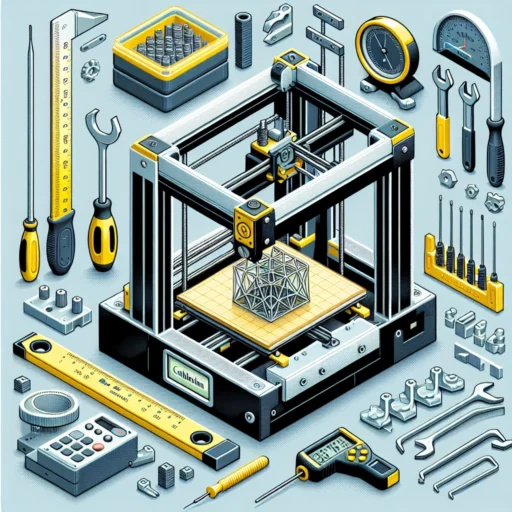
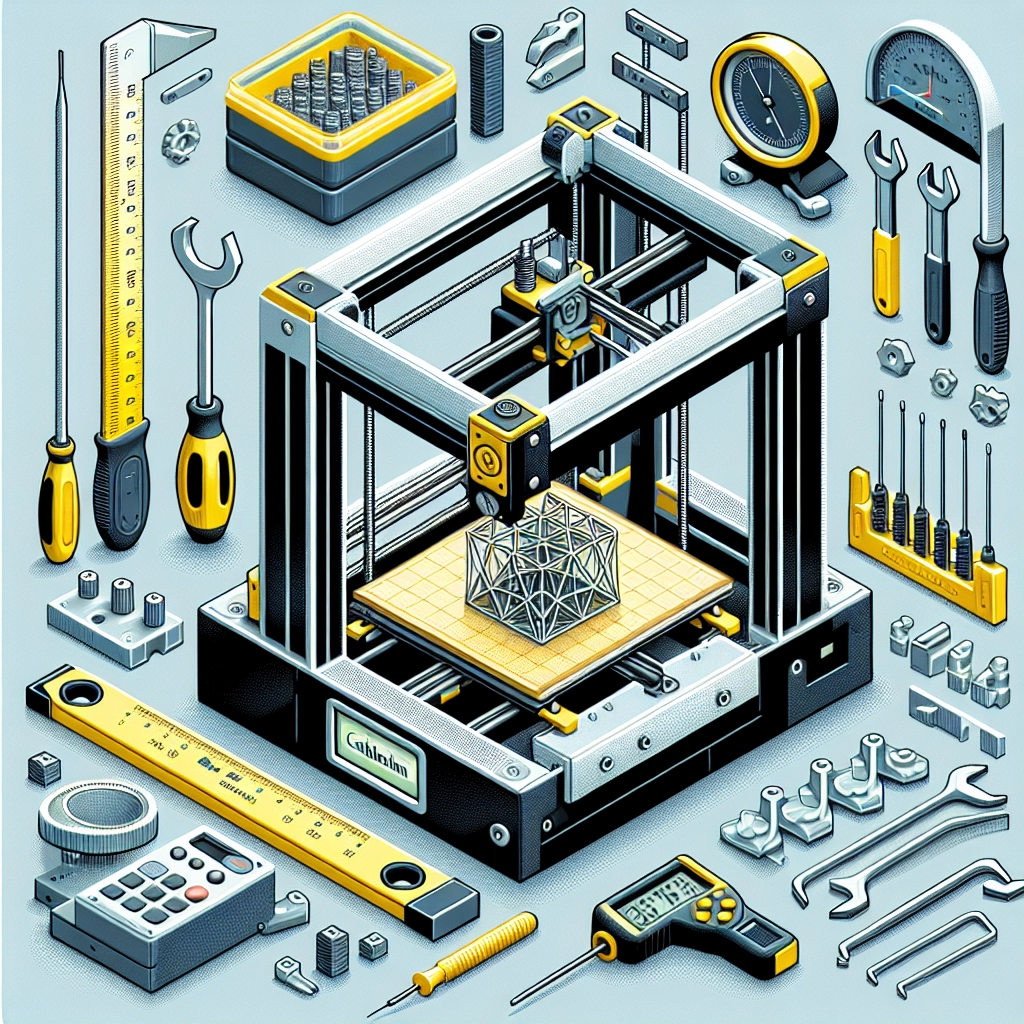

The Importance of Calibration in 3D Printing Success
If you’ve ever dipped your toes into the world of 3D printing, you know that while it’s a magical process that can bring your creative ideas to life, it can also be a bit finicky. You might have heard the age-old saying, “A stitch in time saves nine.” Well, in 3D printing, that stitch is all about calibration. A well-calibrated printer can make all the difference between a stunning print and a melted heap of plastic. So, grab your filament and let’s dive into why calibration is the unsung hero of 3D printing success!
What is Calibration?
Let’s break it down. Calibration refers to the process of adjusting your 3D printer to ensure it performs optimally. This involves setting the correct distances, temperatures, and speeds. Think of it like tuning a musical instrument; if it’s slightly out of tune, it can still make noise, but it won’t sound good. Similarly, a well-calibrated printer harmonizes various components to produce precision results.
Why Calibration Matters
Quality of Prints
First and foremost, calibration directly affects print quality. Poor calibration can lead to issues like layer misalignment, poor adhesion, and uneven extrusion. Imagine spending hours painstakingly modeling a design, only to find little gaps or clogs in your printed object! A well-calibrated printer, on the other hand, produces smooth layers and crisp details. If you’re striving for that flawless finish in your models, proper calibration is non-negotiable.
Saving Time and Materials
3D printing can be a material-intensive process. Let’s face it, filament isn’t always cheap. When your printer is miscalibrated, it often results in failed prints. This means wasted time waiting for a print to finish only to realize that it’s a disaster—and wasted materials that you’ve just sent down the drain. Proper calibration reduces the chances of these costly mistakes, helping you create with confidence.
Equipment Lifespan
Believe it or not, regular calibration can extend the life of your 3D printer. When your machine is calibrated correctly, there’s less strain on the components, leading to fewer problems down the road. Think of it like regular check-ups at the doctor. A little maintenance goes a long way in ensuring everything runs smoothly and efficiently.
Creative Freedom
When you know your printer is calibrated and reliable, you can focus on being creative instead of worrying about whether your print will turn out correctly. Whether you’re designing a quirky trinket or drafting a practical tool, knowing your printer is in tip-top shape liberates your creative flow. You can experiment with different materials, sizes, and intricacies without the constant fear of failure.
How to Calibrate Your 3D Printer
So, how do you get started with calibration? Here are a few key steps:
-
Bed Leveling: A level print bed is crucial. Use a sheet of paper to adjust the nozzle height at various points on the bed. You want it just barely touching the paper across the entire surface.
-
Extruder Calibration: Make sure your printer extrudes the correct amount of filament. You can do this by marking your filament and measuring how much gets pulled through during a print. If it’s off, adjust your steps per millimeter accordingly.
-
Temperature Tweaks: Each type of filament has its sweet spot for temperature. Experiment a bit to find what works best for your specific material.
-
Speed Settings: Adjusting the speed settings can help with print quality. Slower speeds often lead to better accuracy, but finding a balance for your specific print is key.
-
Test Prints: It never hurts to run a test print after making adjustments. There are plenty of calibration cubes and models available online that can help you assess your printer’s performance.
Final Thoughts
Calibrating your 3D printer might sound tedious, but it’s absolutely essential for ensuring the success of your projects. Investing time in this process pays off immensely in terms of quality, efficiency, and overall satisfaction. Not only does it enhance the final results, but it also transforms your printing experience from frustrating to exhilarating. You’ll not only be creating stunning prints, but you’ll also have the confidence to let your imagination run wild. So, pull out those manuals, watch some tutorials, and get your printer singing in perfect harmony—you’ll be amazed at the difference it can make!


