


Exploring the World of Advanced 3D Printing Techniques
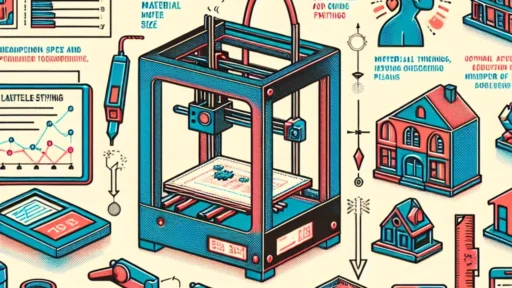
The world of 3D printing is advancing at an astonishing pace, and it seems like each week brings a new breakthrough or technique that captivates tech enthusiasts, engineers, and hobbyists alike. From creating intricate prototypes to revolutionizing the manufacturing industry, 3D printing has morphed from a niche technology into a mainstream tool. With so much going on, it’s only fitting to take a closer look at some of the advanced techniques that are reshaping our approach to design and production.
The Rise of Multi-Material Printing
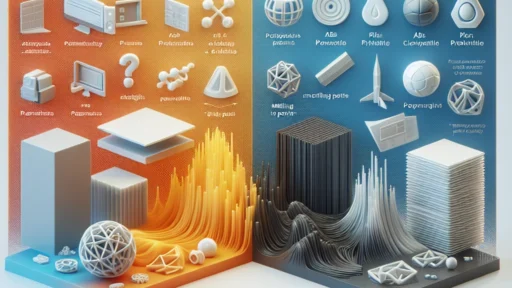
One exciting frontier in 3D printing is multi-material printing. Unlike traditional single-material prints, this technique involves using different materials in a single build process. Imagine creating a single object that integrates rubbery and harder components—think of something like a smartphone case that has soft edges for grip but a hard shell for protection. This method has massive implications for product design, especially in industries like automotive and consumer electronics. Designers can now produce parts that mimic complex properties that were previously only imagined.
Stereolithography (SLA) and Digital Light Processing (DLP)
While FDM (Fused Deposition Modeling) printers are some of the most recognized 3D printers for home use, SLA (Stereolithography) and DLP (Digital Light Processing) deserve a spotlight of their own. Both techniques use liquid resin which is cured into solid plastic using ultraviolet light. The key difference lies in how the light is applied. SLA uses a laser beam to create each layer, while DLP employs a digital light projector that cures an entire layer at once.
These methods yield impressively high-resolution prints, making them a go-to for jewelers or medical professionals who need detailed molds and prototypes. They allow for intricate designs to come to life in stunning detail, often achieving finishes that require minimal post-processing.
Selective Laser Sintering (SLS)
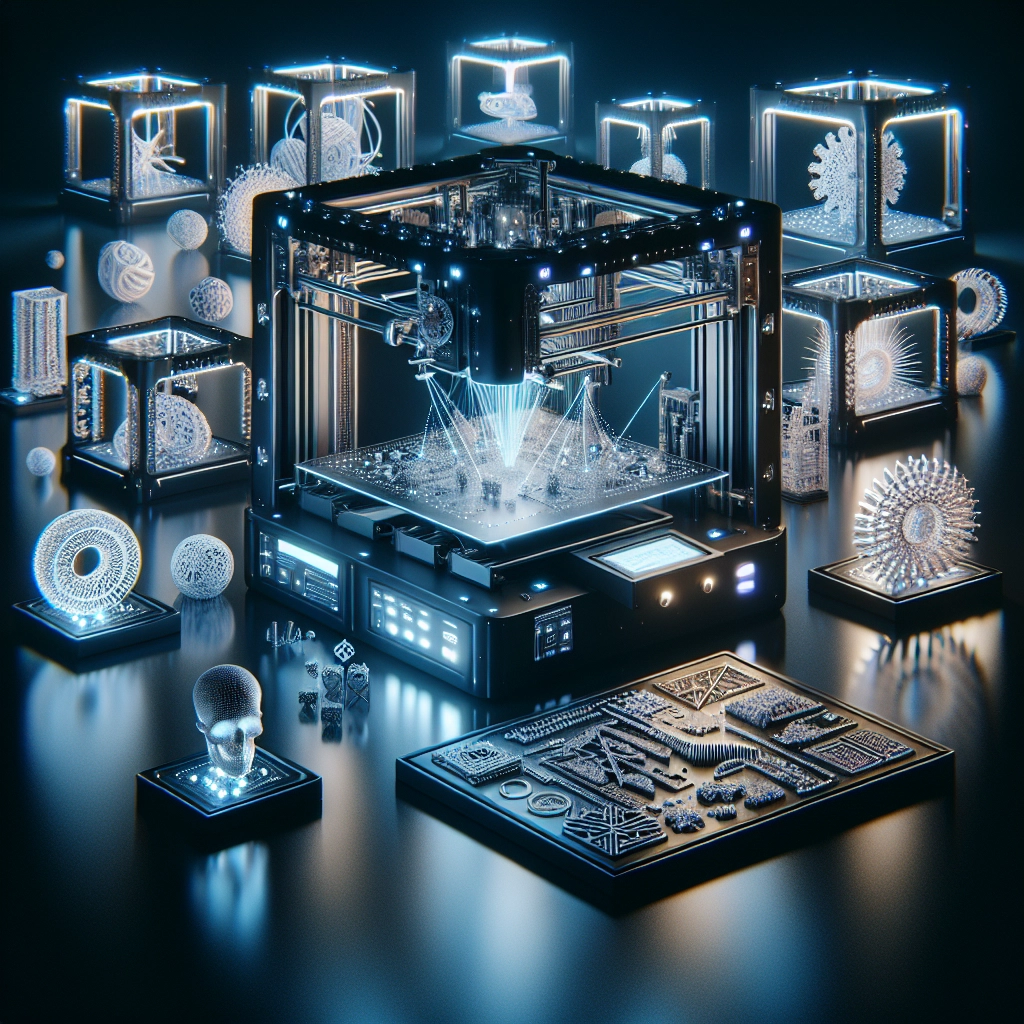
Another powerhouse in the advanced 3D printing landscape is Selective Laser Sintering (SLS). This technique involves the use of lasers to fuse powdered material—such as plastic, metal, or ceramic—into a solid structure. One of the significant advantages of SLS is that it doesn’t require support materials since the unsintered powder can support the object during the build.
This opens up incredible design possibilities, allowing for complex geometries that are not feasible with other methods. SLS is particularly popular in industries that require functional prototypes and end-use parts. For instance, in the aerospace sector, engineers can produce lightweight yet durable components that are often critical to performance.
Bioprinting: The Future of Medical Technology
As we delve deeper into advanced techniques, bioprinting stands out as an incredibly promising innovation. This method utilizes 3D printing technology combined with biomaterials—like living cells—to create structures that imitate biological tissues. While still in relatively early stages, bioprinting has exciting potential in regenerative medicine.
Researchers are experimenting with printing tissues that could one day replace damaged organs or heal wounds. Imagine a future where transplants could be performed using organ creations tailored specifically to individual patients. Though ethical and technical hurdles remain, the idea of custom biological structures is nothing short of astounding.
Future Trends: Sustainability and Accessibility
As we look ahead, two trends emerge as critical in the evolution of 3D printing: sustainability and accessibility. Many developers are focusing on using biodegradable materials to reduce environmental impact, while others are working on ways to make 3D printing more affordable.
The rise of on-demand manufacturing—where products are made only when needed—could significantly minimize waste generated by overproduction, ensuring that resources are used more efficiently. Furthermore, as costs decrease and technology becomes more user-friendly, we might see 3D printing integrate seamlessly into our everyday lives, allowing anyone to innovate from their own homes.
A World of Possibilities
The world of advanced 3D printing techniques is brimming with potential, opening doors to innovative applications that could transform industries and everyday experiences. As we push the boundaries of technology, we might soon live in a reality where complex designs are easily reproducible, medical advancements are highly personalized, and sustainable practices are the norm.
So, whether you’re an entrepreneur dreaming up the next big project, or just someone curious about the future, it’s clear that 3D printing is more than just a trend—it’s a gateway to a realm of possibilities that challenges how we think about production, design, and even our relationship with technology. Exciting times are ahead in the 3D printing realm, and I can’t wait to see where it leads us next!