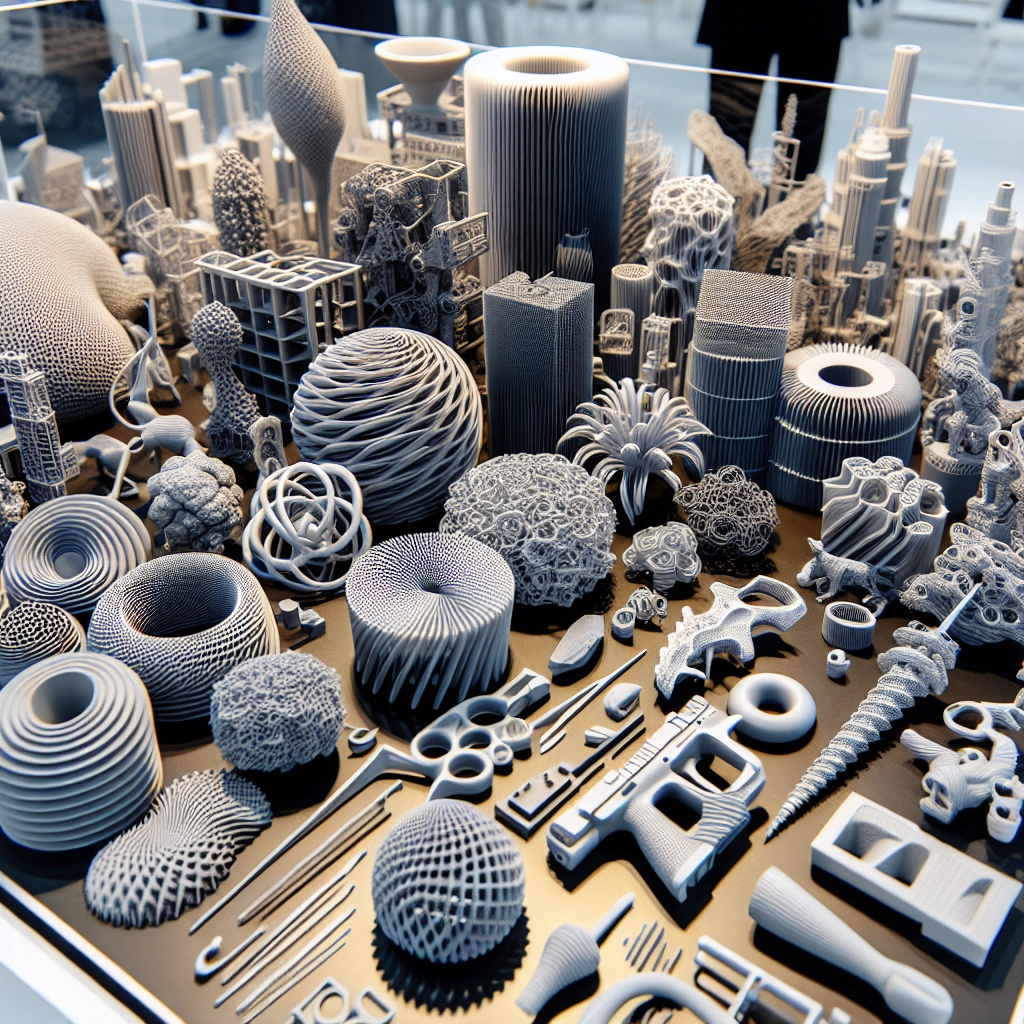

Advanced 3D Printing Techniques: From Multi-material to Textures
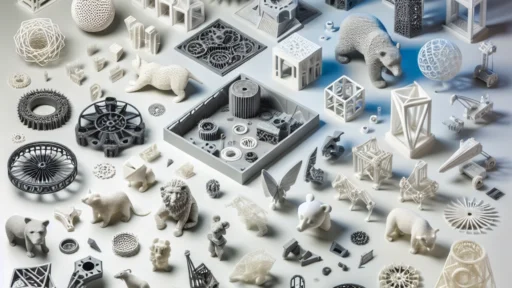
Have you ever marveled at the intricate designs of 3D-printed objects? From delicate sculptures to functional prototypes, the world of 3D printing is bursting with creativity and innovation. While many of us may be familiar with standard 3D printing techniques, there’s a realm of advanced methods that can uplift creativity to new heights—from multi-material printing to texture variations. Let’s take a deep dive into some of these fascinating techniques that are reshaping the future of manufacturing, art, and design.
Multi-Material Printing: Mixing It Up
Imagine being able to combine different materials in a single print! Multi-material 3D printing allows you to do just that, bringing a whole new layer of versatility to your projects. This technique utilizes multiple types of filaments in a single print job, enabling creators to take advantage of the unique properties of various materials.
For instance, consider designing a prototype that requires both flexibility and rigidity—something like shoes, where the sole needs to be firm but the upper part should have some give. Multi-material printing can seamlessly combine rigid plastic with flexible TPU, creating a cohesive product that meets those functional requirements.
Moreover, you can play with colors in multi-material prints. By using different colored filaments, you can create visually striking designs that would otherwise require painting or finishing after the fact. This ability to incorporate color directly into the design process not only saves time but also enhances the overall aesthetic appeal of the object.
Textured Printing: Making It Real
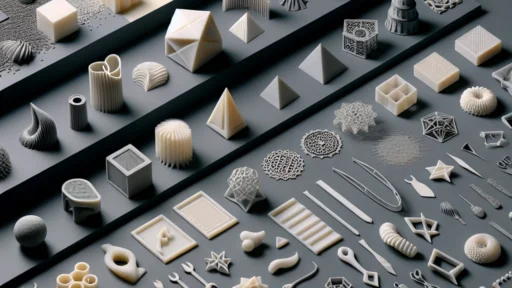
In the world of 3D printing, texture can make a world of difference. Imagine running your fingers over a uniquely textured surface that expertly mimics natural materials—like stone, wood, or even skin. Textured printing techniques give designers the power to create tactile experiences that elevate a standard object into something truly extraordinary.
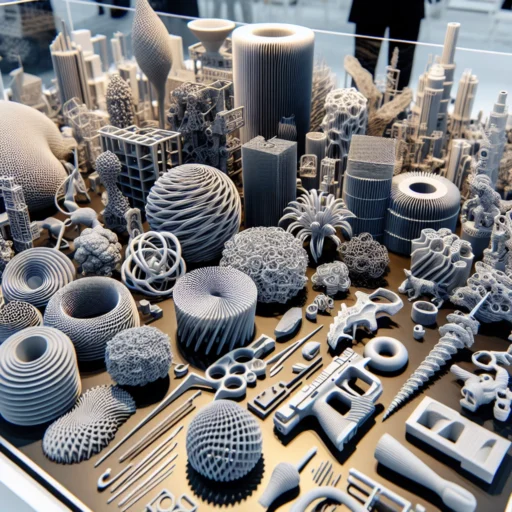
One popular method of achieving textures in 3D printing is through parametric design. This involves the use of algorithms to manipulate the geometry of the surface, allowing designers to produce intricate patterns and textures that change dynamically based on set parameters. You can create anything from smooth curves to complex geometric shapes that can be tuned to look and feel just right.
Additionally, many advanced 3D printers feature settings that allow for variable layer heights. This means that you can create finer details in certain areas and coarser layers in others, giving rise to a tactile quality that captivates the senses. Think about how amazing it would be to hold a vase that not only looks beautiful but feels like a work of art!
Combining Techniques for Extraordinary Results
The most exciting aspect of advanced 3D printing is the ability to blend various techniques. Suppose you start with a multi-material print featuring a combination of both hard and flexible materials. Now imagine adding textures to the surface—perhaps creating a series of grooves or embossing a pattern that invites touch.
With a little creativity, the possibilities are nearly endless.
Take the fashion industry, for instance. Designers can use advanced 3D techniques to create intricate clothing items that are not only eye-catching but also functional. A dress could feature multi-material layers with varying textures that respond differently to movement or light, creating a stunning visual effect on the runway. That’s the kind of innovation that turns heads!
The Future is Bright
As technology continues to evolve, we can expect to see even more advancements in 3D printing techniques. From faster print speeds to bigger build volumes and the introduction of new materials that react to environmental changes, we are only scratching the surface of what’s possible. Major industries—from aerospace to healthcare—are embracing these technologies to solve real-world challenges, making our lives more efficient and our markets more sustainable.
Moreover, as hobbyists and makers gain access to better tools and resources, the boundary between professional and amateur design is blurring. We live in an era where anyone with a passion can translate their ideas into physical objects, and that’s simply awe-inspiring.
So, whether you’re a seasoned professional or a curious beginner, exploring the world of advanced 3D printing techniques opens up a treasure chest of opportunities. It pushes us to rethink how we create, innovate, and interact with the world around us. Who knows what incredible creations you could be inspired to bring to life with these powerful tools? The future is truly in your hands—let’s shape it together!