

The Rise of 3D Printing in Healthcare: A Game Changer
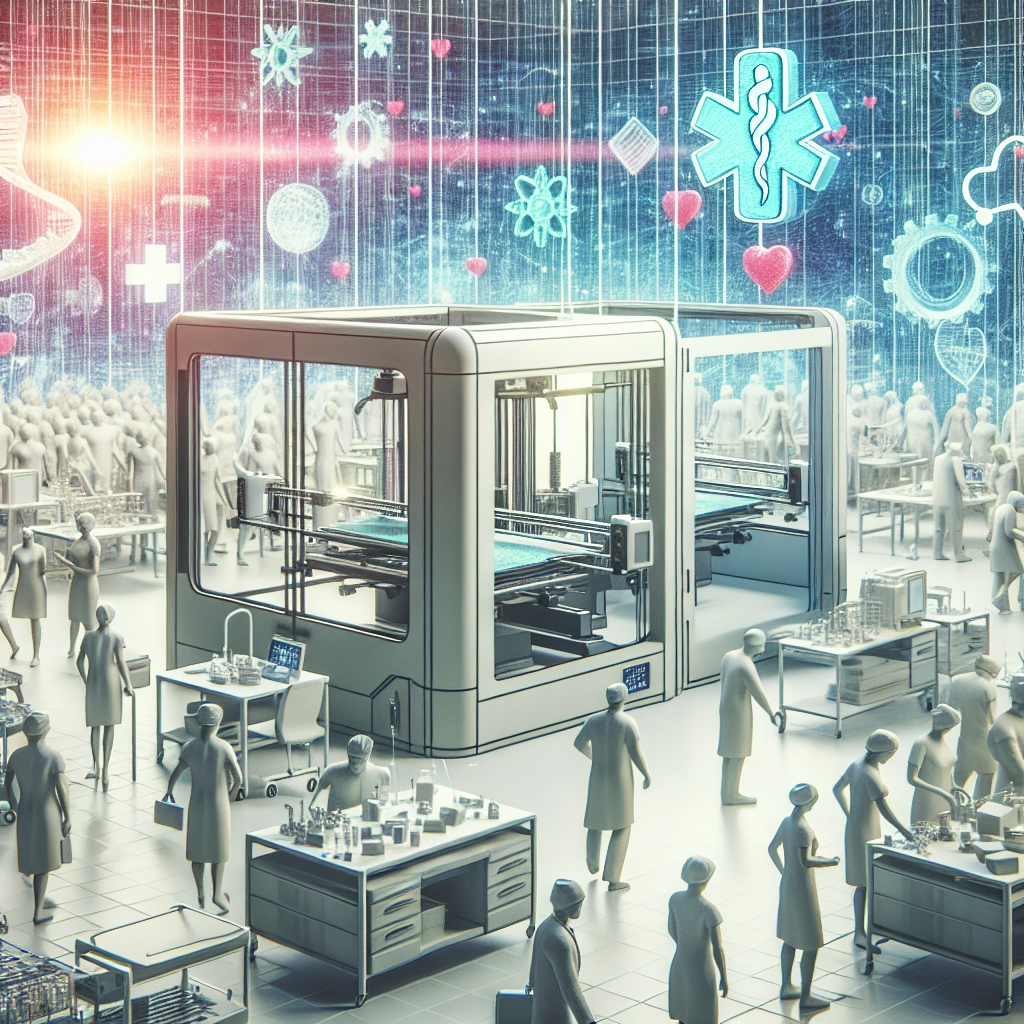
In recent years, we’ve witnessed an incredible advance in technology that has quietly seeped into various industries, transforming the way we live, work, and even heal. One such revolutionary technology is 3D printing, which has moved beyond the realm of hobbyists and designers to become a true game changer in healthcare. From custom prosthetics to bioprinting tissues and organs, the possibilities are not only exciting but also profound, altering the landscape of medical treatment and patient care.
A Tailored Approach to Patient Care
Imagine needing a prosthetic limb that perfectly fits your unique anatomy. In the past, this would have involved cumbersome measurements and fittings, often leading to discomfort or inefficiency. Now, thanks to 3D printing, a prosthetic limb can be designed and produced specifically for the individual. The process begins with a simple scan of the patient’s limb, which captures its precise dimensions. This data is then used to develop a customized prosthetic that is tailored to the patient’s needs.
What’s more, these prosthetics are not just functional—they can also be aesthetically pleasing. Patients can select colors and designs that reflect their personality, enhancing the emotional connection they have with their prosthetic. It’s a prime example of how 3D printing fosters a more personalized approach to healthcare, making patients feel more at ease and supported in their treatment journeys.
Surgical Precision and Customization
Surgery is another area where 3D printing is making waves. Surgeons are utilizing 3D-printed models of patients’ organs to plan surgeries with astonishing precision. Before entering the operating room, doctors can hold a replica of the organ they’ll be working on, allowing them to better understand the anatomy and anticipate challenges. This enhanced preparation leads to faster, safer procedures and can even reduce recovery time for patients.
Moreover, 3D printing can produce tailored surgical instruments and implants. Instead of trying to work within the confines of pre-manufactured tools, surgeons can have the equipment they need designed specifically for the task at hand. This not only improves surgical outcomes but can also cut down costs associated with traditional surgical equipment.
The Future of Bioprinting
One of the most talked-about applications of 3D printing in healthcare is bioprinting—printing living tissues and organs. While we’re not yet at the point where we can print an entire organ for transplant, significant strides are being made. Researchers are exploring ways to print structures that can mimic the functionality of human tissues, such as skin, cartilage, and even parts of the heart or liver.
Imagine a world where organ shortages are a thing of the past. Bioprinting holds the potential to revolutionize organ transplantation, making it possible to create organs that are genetically matched to the patient, thereby reducing the risk of rejection. While we are still in the early stages, ongoing research and clinical trials are diligently moving us closer to this groundbreaking reality.
Breaking Down Barriers
The beauty of 3D printing in healthcare is that it also addresses accessibility issues. Not all regions have the same access to medical technology or skilled practitioners, but with 3D printers becoming more affordable and portable, they can be taken to remote areas and used to produce necessary medical equipment on-site. This could significantly enhance healthcare delivery in underserved communities, bringing critical resources to those who need them most.
For example, in the wake of natural disasters or in conflict areas, portable 3D printing labs can provide essential medical supplies quickly. Instead of relying on long supply chains, healthcare workers can print what they need, when they need it, improving response times and potentially saving lives.
Looking Ahead
As 3D printing technology continues to evolve, the opportunities to enhance patient care and outcomes appear endless. From personalized medical devices to the tantalizing prospect of synthetic organs, the integration of 3D printing into healthcare is not merely a trend; it’s a transformative movement, reshaping how we think about medicine and healing.
The journey is just beginning, but one thing’s for sure: the collaboration between healthcare professionals and innovative technologists promises to unlock a future where tailored, efficient, and accessible medical solutions become the norm. There’s no doubt that, as we continue to explore and harness this remarkable technology, we’re not just changing healthcare; we’re changing lives.