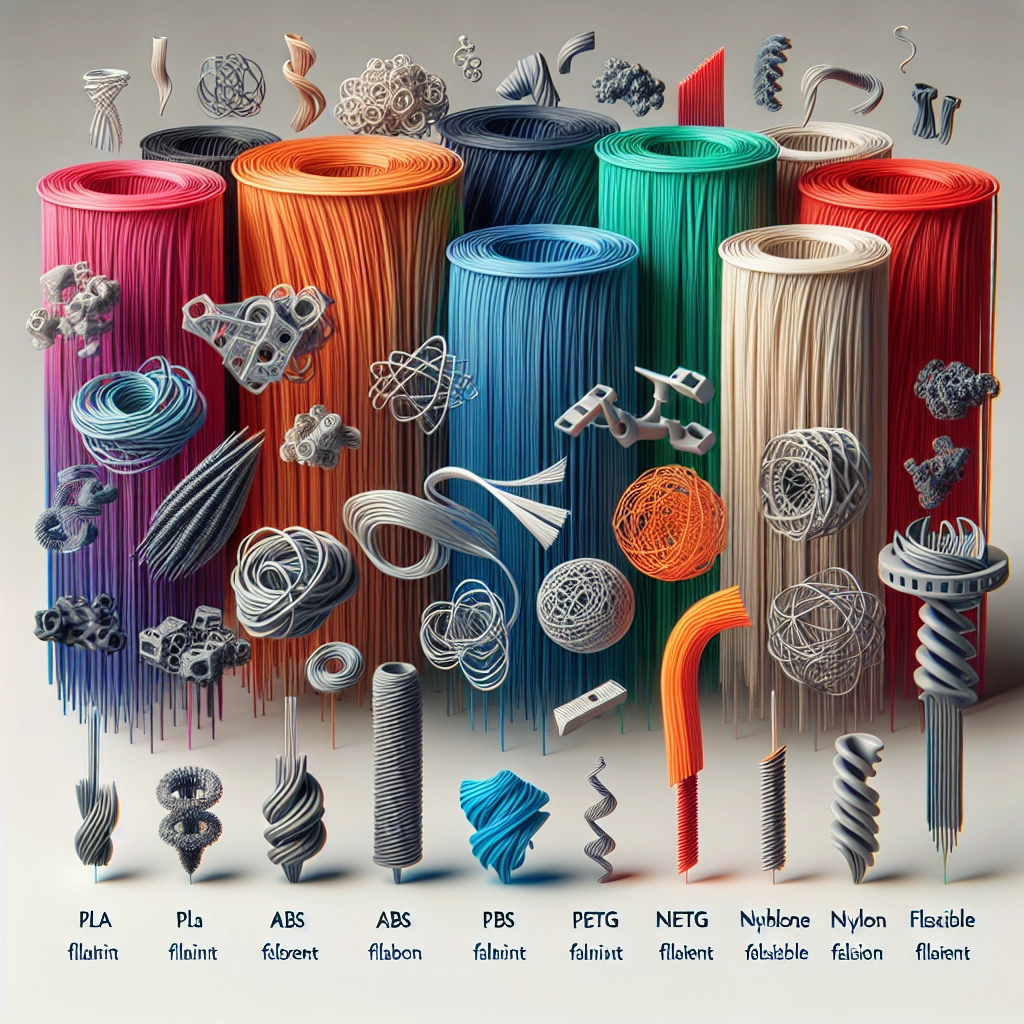

Understanding Different Types of 3D Filaments: A Comprehensive Guide
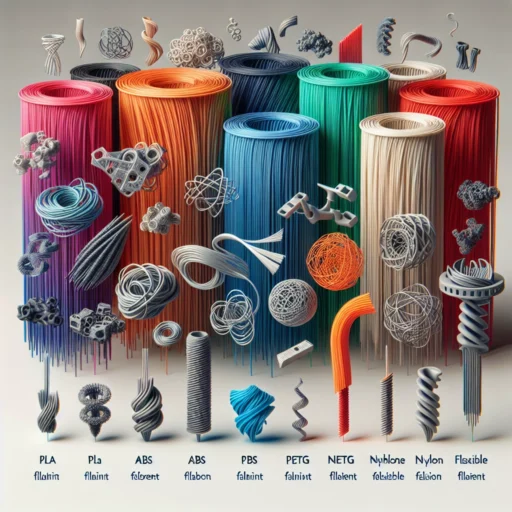
When you dive into the fascinating world of 3D printing, one of the first things you’ll encounter is the myriad of filament options available. Choosing the right filament can make or break your printing experience. It’s essential to understand the unique characteristics, advantages, and uses of various types to ensure your creations come out just as you envision them. So, let’s get to grips with some of the most common types of 3D filaments out there.
PLA (Polylactic Acid)
PLA is arguably the most popular filament for beginners. Made from renewable resources like cornstarch and sugarcane, it’s eco-friendly, easy to work with, and doesn’t require a heated bed. This means it’s perfect for a wide range of projects, from prototypes to home decor. PLA also offers vibrant colors and a beautiful finish. However, be mindful that it’s a bit brittle compared to other filaments, so it might not stand up to heavy-duty use or extreme temperatures.
ABS (Acrylonitrile Butadiene Styrene)
If you’re looking for durability and impact resistance, ABS is the way to go. This filament is what many people associate with LEGO bricks—strong, sturdy, and capable of withstanding higher temperatures. However, it does require a heated bed and tends to emit fumes during printing, so good ventilation is a must. If your project demands robust parts that can endure stress, ABS might be your best bet.
PETG (Polyethylene Terephthalate Glycol-Modified)
PETG combines the best features of PLA and ABS. It’s durable like ABS but more user-friendly, as it doesn’t produce the same harsh fumes. PETG is also resistant to moisture and chemicals, making it an excellent choice for functional parts and outdoor applications. Plus, if you’re looking to print something that’s both strong and flexible, PETG’s got you covered. The glossy finish is a cherry on top!
TPU (Thermoplastic Polyurethane)
For those seeking flexibility, TPU is a fantastic option. This rubber-like filament allows you to create soft, stretchy, and resilient parts. It’s ideal for items like phone cases, toys, and wearables. However, printing with TPU can be a bit tricky since it requires precise settings and might not work well with every printer. But once you get the hang of it, the results can be incredibly rewarding.
Nylon
Nylon is the heavy hitter in the filament world, well known for its strength and toughness. This filament can be used for parts that need to endure high stress and wear and tear. However, it does absorb moisture, so proper storage is crucial. If your project requires high durability, think about using Nylon—but be prepared for a learning curve if you’re new to 3D printing.
ASA (Acrylonitrile Styrene Acrylate)
Similar to ABS, ASA is a powerful filament that excels outdoors due to its UV resistance. This makes it perfect for outdoor applications where exposure to the elements can be a concern. ASA offers excellent mechanical properties and dimensional stability, even in challenging conditions. If you need something that looks good and performs even better outdoors, this is a filament worth considering.
HIPS (High Impact Polystyrene)
Typically used as a support material for ABS, HIPS can also stand alone for certain applications. It’s lightweight and has a matte finish that many find aesthetically pleasing. The beauty of HIPS is that it can be dissolved in limonene, which is particularly handy when you print complex models and need temporary supports.
Composite Filaments
The last category worth mentioning is composite filaments, which are mixed with materials like wood, metal, or carbon fiber to enhance properties and aesthetics. These filaments combine various features, offering unique textures and appearances. Composite filaments can be a bit more demanding in terms of maintenance, as they may require a specialized nozzle to handle the abrasive particles.
In the end, the choice of filament largely depends on the type of project you have in mind. Whether you’re crafting intricate art pieces, functional prototypes, or sturdy outdoor equipment, understanding the nuances of each filament type will empower you to make informed decisions. So the next time you approach your 3D printer, remember: the filament you choose can turn your creative vision into a tangible reality! Happy printing!