

Maximizing Your 3D Printer’s Potential with Advanced Filament Techniques
If you’re like many makers, artists, or hobbyists, your 3D printer is one of your favorite tools. It opens up a world of creativity, enabling you to bring digital designs to life with the push of a button. But how do you take that creation to the next level? One of the best ways to enhance your 3D printing game is by exploring advanced filament techniques. In this post, we’ll dive into several strategies that can help you maximize your printer’s potential and elevate your projects.
Understand the Basics of Filament Types
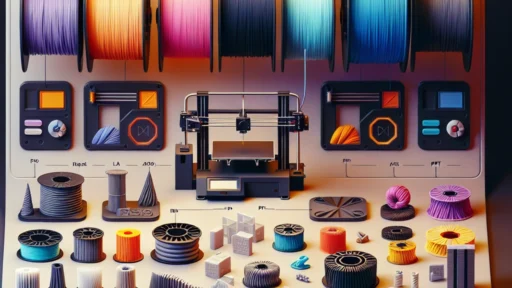
Before delving into advanced techniques, it’s vital to understand the different filament types available. While PLA and ABS are the most commonly used materials, there’s a plethora of other filaments to explore:
-
PETG: This filament is great for functional parts due to its durability and chemical resistance. It’s somewhat forgiving and can be easier to print than ABS.
-
TPU: Known for its flexibility, TPU opens up new possibilities for printing functional parts that require a bit of stretch or bounce.
-
Nylon: Renowned for its strength and durability, nylon is perfect for more demanding applications.
-
Composite Filaments: These contain additives, such as wood, metal, or carbon fiber, changing not just the look but also the properties of the filament.
Having a good grasp of these materials will set the stage for what comes next!
Experiment with Multi-Material Printing
Once you’re comfortable with various filaments, why not stretch your creative legs with multi-material printing? Many modern 3D printers support dual or multi-extruder setups, allowing you to print with two different types of filament in a single project. This opens doors to a host of possibilities:
-
Enhancements and Textures: You can combine flexible filament with rigid plastic to create parts that have areas designed for grip, like rubberized handles on tools.
-
Visual Contrast: Mixing colors in a single print can add visual interest and complexity. Imagine a detailed model where the character’s clothing and skin tone are in different colors!
-
Support Structures: Use a soluble filament for support structures. This means getting rid of the awkward scraping and cutting involved in removing traditional supports.
Fine-Tune Your Print Settings
Every filament has its quirks and specific print settings that will yield the best results. Here are a few adjustments you might consider:
-
Temperature Adjustments: Each filament has a different optimal temperature range for both the nozzle and heated bed. Pay close attention to these details, as they can greatly affect how well the material adheres and how it is molded.
-
Layer Height: Different projects may benefit from varying layer heights. A finer layer height is great for high-detail prints, while a thicker layer can save time for simpler designs.
-
Speed Settings: Experimenting with print speed can make a significant difference. Sometimes slower speeds allow for better layer adhesion, especially when dealing with flexible materials.
Level Up with Color Change Techniques
If you’ve got a decent grasp of dual extrusion, consider trying out color change techniques during a single print run. This can be as simple as programming your printer to pause mid-print so you can swap filaments. Or, you could work with filaments that change color when heated or cooled, adding an exciting twist to your creations.
Incorporate Post-Processing Techniques
Once your prints come out of the machine, the journey isn’t over yet! Post-processing can significantly elevate your print’s look. Techniques like sanding, painting, and applying finishes can bring your product from “just printed” to “professionally made.” If you’re working with projects that involve detailed aesthetics, don’t shy away from adding a little elbow grease.
Troubleshoot and Learn
Finally, don’t shy away from failures! 3D printing is all about trial and error, and each setback is a learning opportunity. Keep a journal of what works and what doesn’t for each filament type. This will not only enhance your understanding but will also serve as a useful guide for future projects.
Incorporating advanced filament techniques into your 3D printing practices offers a unique opportunity to tap into the full potential of your machine. Whether you’re blending materials, fine-tuning print settings, or embarking on post-processing adventures, the possibilities are endless. Stay curious, keep experimenting, and most importantly, enjoy the creative journey that 3D printing allows! Happy printing!