

A Comparison of 3D Printing Technologies: FDM, SLA, and More
3D printing has taken the world by storm, transforming the way we think about manufacturing, design, and even personal projects. With an array of different technologies available, it can be overwhelming to determine which one is the best fit for your needs. Let’s delve into the world of 3D printing technologies, focusing on some of the most popular methods: Fused Deposition Modeling (FDM), Stereolithography (SLA), and a few others that are making waves!
Understanding the Basics: FDM
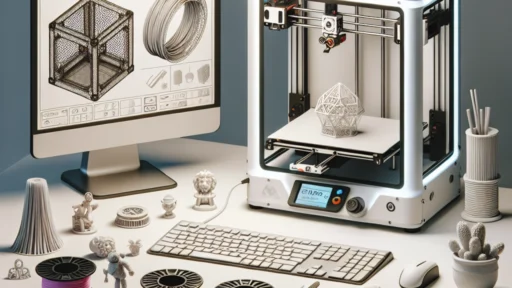
Fused Deposition Modeling, or FDM, is the most widely known 3D printing method. It works by melting a thermoplastic filament, which is then extruded layer by layer to build up a 3D object. FDM printers are popular for several reasons:
- Affordability: FDM printers are generally budget-friendly, making them accessible to hobbyists and small businesses alike.
- Material Variety: With a wide range of filament types (like PLA, ABS, PETG, and more), users can choose materials based on their specific requirements.
- Ease of Use: These printers are often easier to set up and operate compared to other technologies.
However, FDM has its limitations. The layer lines are more visible, and fine details can sometimes be lost. It also struggles with complex geometries that require support structures, which can make post-processing tricky.
Diving into SLA
Stereolithography, or SLA, offers a different approach to 3D printing. Instead of extruding melted plastic, SLA uses a laser to cure a liquid resin into hardened plastic layer by layer. This method has gained popularity for reasons such as:
- High Precision: SLA is known for its incredible accuracy and ability to capture intricate details. If you’re aiming for high-quality prototypes or models, SLA might be your best bet.
- Smooth Finish: The finished products typically have a much smoother surface compared to FDM prints. This makes SLA particularly appealing for applications like jewelry design or dental models.
- Varied Material Selection: SLA also offers different resin types that can simulate various properties, including rubbery flexibility or rigidity.
On the downside, SLA printers can be more expensive, not only for the machines but also for the resin materials. The post-processing is usually more time-intensive, requiring washing and curing to achieve the desired finish. Plus, resins can have a strong odor and are often more hazardous to handle than typical FDM filaments, so safety equipment is a must.
Exploring Other Technologies
While FDM and SLA are the leading technologies in the realm of 3D printing, they’re not the only players. Let’s briefly touch on some others that are worth mentioning:
SLS (Selective Laser Sintering)
SLS uses a laser to sinter powdered material—often nylon—into a solid structure. This method has several advantages:
- No Support Structures: The unsintered powder acts as a support during the printing process, which means intricate designs can be created without worrying about supports.
- Durability: SLS prints are often more robust and heat-resistant, making them ideal for functional prototypes or even end-use parts.
However, SLS printers tend to be quite expensive, limiting their use mostly to industrial applications.
DLP (Digital Light Processing)
Similar to SLA, DLP uses a light source to cure resin. The key difference? DLP cures an entire layer at once, making the process generally faster than SLA. This technology offers impressive detail and a smooth finish, but it shares many of the handling and material challenges that SLA faces.
Finding Your Perfect Match
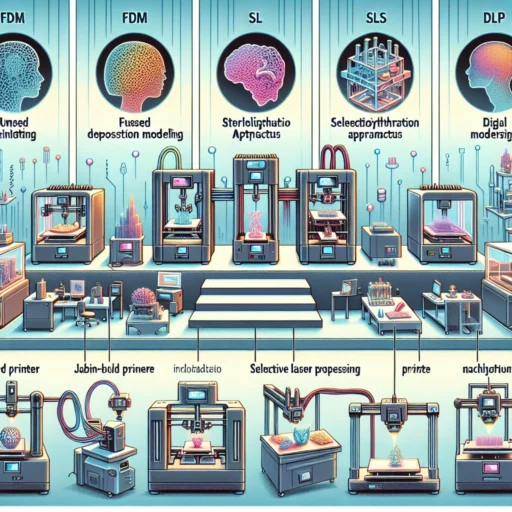
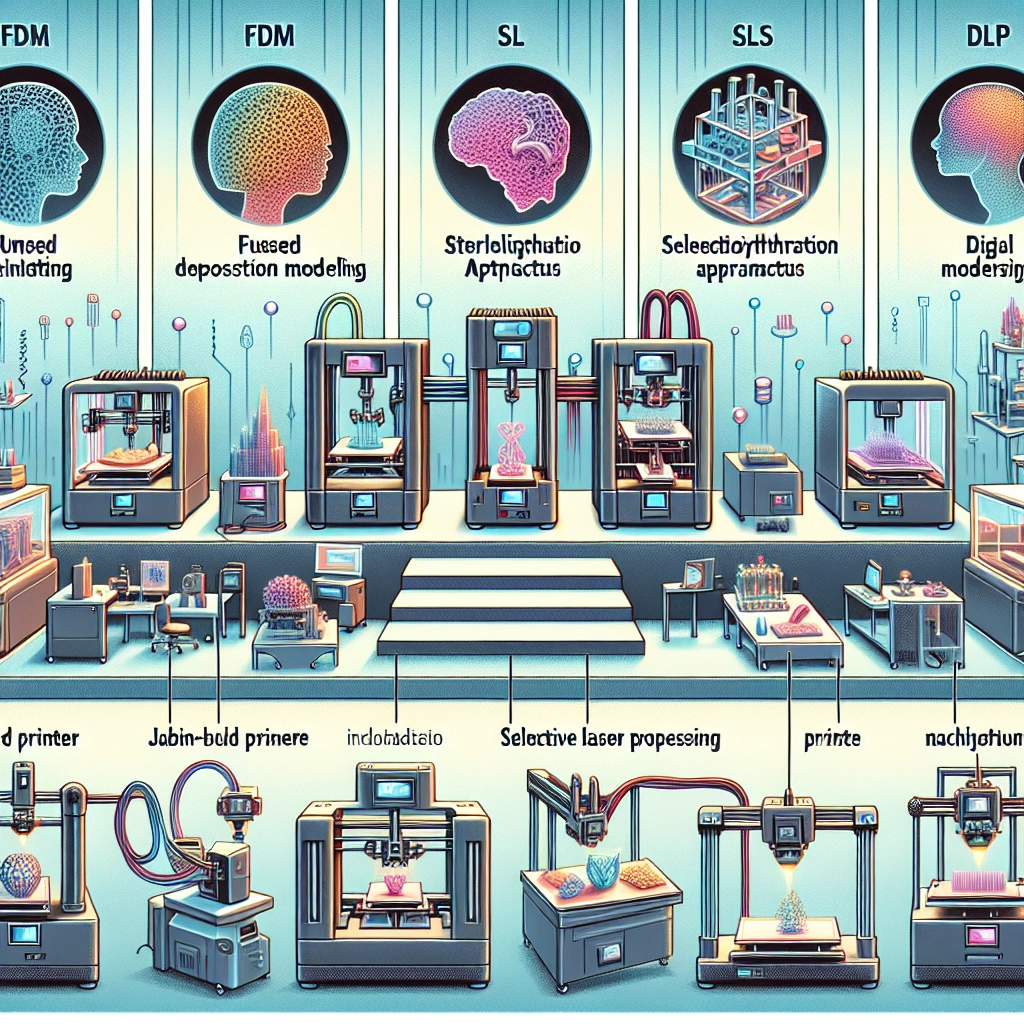
Deciding between FDM, SLA, SLS, or DLP hinges on your specific needs. For the casual creator or beginner, FDM could be the perfect starting point, combining affordability with simplicity. If you require high precision for detailed models, look no further than SLA. And for industrial applications where durability is key, SLS might be the most suitable choice.
As 3D printing technology continues to evolve, we can expect even more exciting developments on the horizon. For now, the important takeaway is to match the technology to your objectives, whether you’re prototyping a design for a new product, creating a custom gift, or exploring the world of artistic expression. Embrace the possibilities, and happy printing!