



The Benefits of 3D Printing in Education
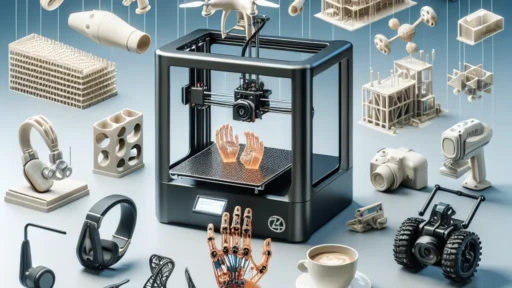
In the ever-evolving landscape of education, technology has consistently played a pivotal role in reshaping how students learn and engage with the material. One of the most exciting and accessible technologies emerging in recent years is 3D printing. You might have seen it used in home projects, hobbyist workshops, or even in businesses, but its application in educational settings can be a game-changer. Let’s explore the numerous benefits of 3D printing in education and why it’s time to embrace this creative technology.
Hands-On Learning
One of the biggest draws of 3D printing in education is its ability to facilitate hands-on learning. Traditional teaching methods often rely heavily on textbooks and lectures, which can leave some students feeling disengaged or detached from the material. 3D printing allows students to design and create physical models of concepts they’re studying—like anatomical structures in biology, geometric shapes in math, or historical artifacts in social studies.
Imagine a biology class where instead of just reading about the human heart, students can design and print a model of it, examining how blood flows through it, or how the chambers work together. This tactile experience not only helps solidify their understanding but also makes learning far more engaging and exciting.
Encouragement of Creativity and Innovation
3D printing opens up a world of possibilities for creativity. In a classroom environment, this technology can inspire a generation of inventors and problem-solvers. Students can take their ideas—no matter how wild—and bring them to life. This process nurtures not just artistic skills, but also encourages critical thinking and innovative problem-solving.
For example, in a design technology class, students could be tasked with creating a device that solves a specific problem. They can iterate their designs, print prototypes, test their functionality, and refine their ideas based on what works and what doesn’t. This cycle of creation and feedback is invaluable for fostering a mindset geared towards innovation.
Enhancing Collaboration Skills
The benefits of 3D printing go beyond individual learning. Many projects using 3D printers require teamwork and collaboration. Students can engage in group projects where they have to brainstorm ideas, assign roles, and operate equipment to achieve a common goal. This not only teaches students how to work in teams but also gives them a chance to develop communication skills and learn the importance of compromise and collective effort.
Consider a science fair where students collaborate to create a model of a sustainable city. They need to discuss their vision, make decisions on various components, and address any challenges that arise. This collaborative experience can be invaluable as they prepare for the realities of the workplace, where teamwork is often key to success.
Easy Accessibility and Affordability
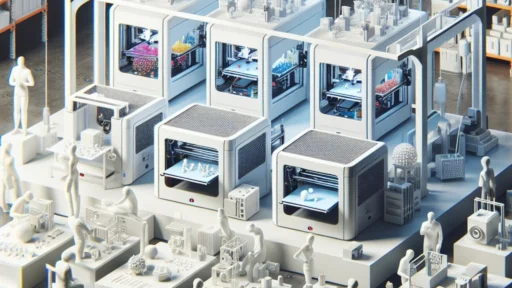
While 3D printing might initially seem like a costly investment, it has become increasingly more affordable and accessible. Today’s 3D printers are more reasonably priced compared to just a few years ago, and there are many user-friendly software options designed specifically for education. This democratization of technology means that more schools, including those with limited budgets, can take advantage of 3D printing.
Moreover, there’s a wealth of free online resources—like tutorials, instructional videos, and design files—that educators can tap into. This means that even teachers who may not have prior experience with 3D printing can learn and implement this technology effectively in their classrooms.
Real-World Applications
3D printing is revolutionizing industries outside the classroom, and this technology gives students insight into careers in engineering, architecture, healthcare, and beyond. By incorporating 3D printing into their educational experiences, students are not just learning to operate a machine; they’re gaining skills that are directly applicable to future job markets.
For instance, architecture students can create scale models of their designs, engineers can prototype components, and artists can test their creativity. As they navigate the intricacies of this technology, they also become better prepared for the demands of a modern workforce that’s increasingly leaning towards STEM fields.
The integration of 3D printing in education is more than just a passing trend; it’s a transformative approach that encourages active participation, creativity, and collaboration. By fostering a learning environment that embraces hands-on experiences and real-world applications, educators can ignite students’ passion for learning and prepare them for future challenges.
As we look ahead, it’s exciting to imagine what innovations will emerge as 3D printing continues to find its place in classrooms all around the world. By leveraging this technology, we can help shape a brighter, more engaging future for students everywhere.