

The Future of 3D Printing: Trends and Innovations to Watch
3D printing, often called additive manufacturing, has taken the world by storm over the past decade. What was once a niche technology reserved for savvy hobbyists and industrial applications is now revolutionizing industries from healthcare to fashion. With rapid advancements being made each year, it’s an exciting time to dive into what the future holds for 3D printing. Let’s explore some of the most promising trends and innovations that are shaping this remarkable field.
Increased Accessibility
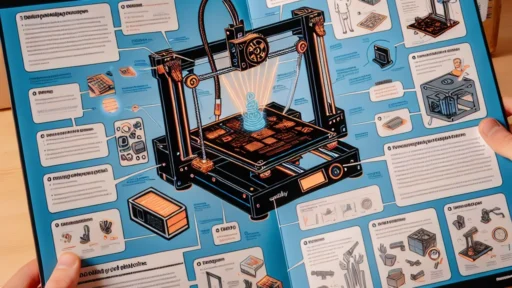
One of the most significant trends we’re seeing is the democratization of 3D printing technology. As machines become more affordable and user-friendly, we’re witnessing a surge in their adoption among makers, educators, and small businesses. Companies like Prusa and Creality are paving the way with budget-friendly printers that are still capable of producing high-quality results. This accessibility opens the door for creativity and experimentation. Imagine classrooms filled with students designing and printing their own projects or entrepreneurs creating prototypes right in their small workspaces!
Materials That Wow
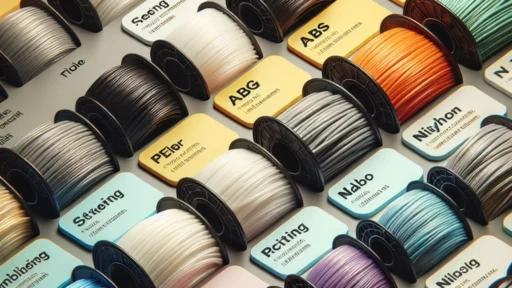
When it comes to 3D printing, the materials used can be as groundbreaking as the technology itself. We’re on the cusp of a materials revolution, with innovations such as bio-based plastics, metal powders, and even new ceramics gaining traction. Companies are exploring eco-friendly materials made from recycled products, which not only reduces waste but also encourages sustainable practices. Additionally, innovations in material composition give rise to stronger, lighter, and more versatile products. For instance, carbon fiber-infused filaments are transforming industries like aerospace and automotive, allowing for enhanced performance without the weight.
Customization Like Never Before
As consumer preferences continue to shift towards personalized products, 3D printing is at the forefront of this trend. Imagine being able to create custom-fit shoes, personalized jewelry, or even tailored medical implants. The ability to print something specifically designed for an individual isn’t just convenient; it can significantly improve functionality and satisfaction. This level of personalization has widespread applications, from prosthetics that perfectly fit a patient to unique decor that entirely suits a person’s style. The future looks bright for customization as 3D printing continues to evolve.
Healthcare Innovations
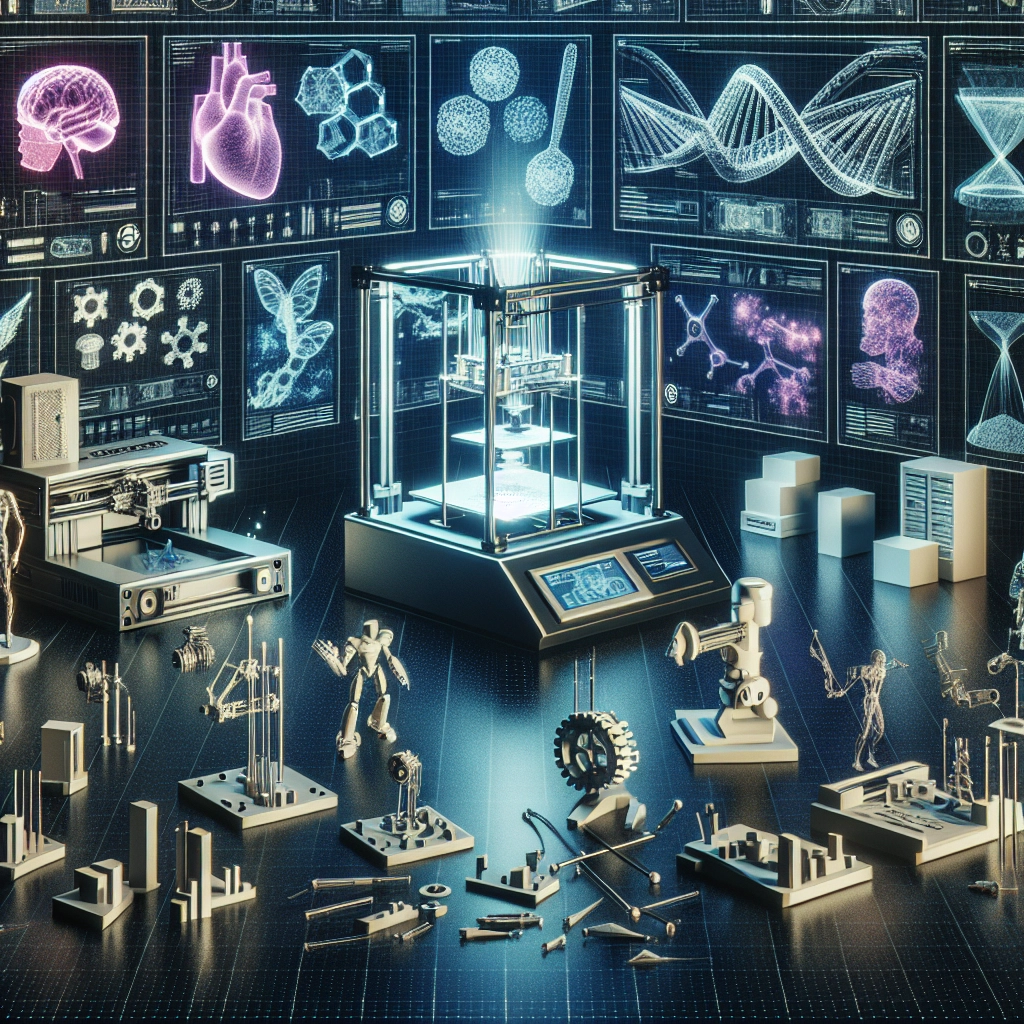
In the realm of healthcare, 3D printing is making incredible strides. The potential to produce customized medical devices, such as hearing aids or dental implants, is already being realized. But the innovations don’t stop there. Bioprinting—printing tissues and organs—is a frontier that could revolutionize organ transplants and regenerative medicine. While we’re not quite at the stage of printing a fully functioning heart, researchers are making significant progress in creating tissues that can be used for research and therapeutic applications. Imagine a future where organ shortages are a thing of the past, and patients receive personalized tissues made just for them!
The Rise of On-Demand Manufacturing
As the world increasingly moves towards just-in-time practices, 3D printing offers an appealing solution. Rather than maintaining large inventories of parts and products, companies can utilize 3D printing to fabricate items on demand. This can streamline supply chains, reduce waste, and optimize storage and transportation costs. Imagine walking into a store and ordering a 3D printed item that’s in your hands within minutes, tailored to precisely what you wanted! This flexibility can benefit industries from manufacturing to retail, making the supply chain more efficient and responsive to consumer demands.
Expanded Applications in Construction
Construction is another sector ripe for transformation through 3D printing. Robotic systems can now construct entire homes layer by layer, reducing labor costs and construction time significantly. Companies like ICON are leading the charge in 3D printed housing, showing that what once seemed like science fiction is now becoming a reality. Not only does this technique have the potential to provide affordable housing solutions, but it also encourages sustainable building practices. The ability to utilize locally sourced materials and reduce waste aligns perfectly with the growing push for eco-friendly construction.
Conclusion
As we look ahead, it’s clear that 3D printing is poised to transform our world in fascinating ways. From making manufacturing more sustainable to creating tailored healthcare solutions, the innovations unfolding are just the tip of the iceberg. While challenges remain—such as regulatory hurdles and material limitations— the potential of this technology inspires creativity and drives us to think about how we can build, innovate, and personalize our future. So whether you’re a tech enthusiast or just someone who enjoys seeing with amazing inventions, keeping an eye on 3D printing is definitely worthwhile. The possibilities, it seems, are boundless!