


The Best Practices for 3D Printing High-Detail Models
So, you’ve decided to dive into the world of 3D printing! Whether you’re a hobbyist, a designer, or even a seasoned professional, there’s no denying the excitement that comes with creating high-detail models. Those intricate designs have the power to wow audiences and can make your creations stand out like a diamond in the rough. But, how do you ensure that your high-detail models turn out exactly as envisioned? Let’s explore some best practices for achieving stunning results with your 3D prints.
Start with a Quality Model
First things first: your 3D print is only as good as the model you’ve created or chosen. Start with a high-resolution 3D model that emphasizes detail. When designing, focus on features that will enhance the intricacies, such as textures, surface patterns, and small components. If you’re downloading models from online repositories, make sure to select those that are well-reviewed and showcase good resolution.
However, remember that the finer the details, the more you have to keep certain limitations in mind, such as the resolution of your 3D printer. A printer with a lower fidelity might not capture those meticulous designs.
Choose the Right Type of Printer
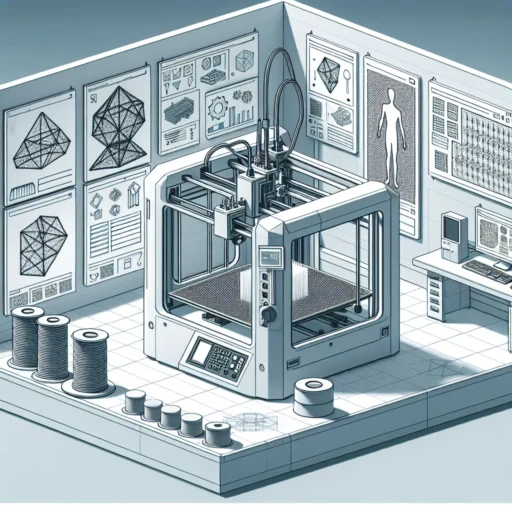
Not all 3D printers are created equal, especially regarding the details they can capture. If you’re serious about high-detail prints, consider investing in a resin printer. These beauties can achieve incredible resolution levels thanks to their use of UV light to cure liquid resin into solid models. If a filament printer is more your style, go for one that offers a smaller nozzle diameter. Smaller nozzles produce finer layer lines, making intricate detail much more achievable.
Select the Appropriate Materials
Material plays a vital role in the quality of your print. Different printing materials have various inherent properties that can affect the final outcome. For high-detail models, materials like resin or PLA are often favored. Resin tends to capture fine details exceptionally well, while PLA is user-friendly and can yield decent results with the right settings. If your model has specific requirements for durability or flexibility, consider using specialty filaments tailored for those applications.
Optimize Your Print Settings
When it comes to high-detail printing, fine-tuning your settings is a crucial step. Here are some adjustments worth looking into:
-
Layer Height: A smaller layer height (like 0.1mm or lower) can greatly enhance detail resolution. It may increase printing time, but the results are often worth the wait.
-
Print Speed: Slowing down the print speed may help enhance detail, especially for delicate features. Take your time—quality over speed is a mantra worth adopting here!
-
Temperature Control: Adjust your printer’s temperature according to the filament you’re using. Overheating can lead to issues like stringing or blurring of details.
-
Supports: If your model is complex and has overhanging details, don’t skimp on support structures. They help maintain the shape and prevent sagging.
Consider Post-Processing
Once your model is printed, the magic doesn’t stop there. Spend some time on post-processing to elevate your model even further. Sanding can smooth out rough edges, while painting and priming can enhance visual appeal and detail. For resin prints, curing is crucial; a quality UV light can make a world of difference in bringing out the model’s features.
Test Prints Are Key
If you’re working on a particularly intricate model, don’t hesitate to do test prints. Choose a smaller version of your model or just a section of it to evaluate how well the details turn out. This will give you a chance to tweak settings and materials before committing to a full-scale print.
Stay Patient and Have Fun
Lastly, as with any craft, patience is key. High-detail 3D printing can take time, sometimes requiring adjustments and multiple attempts to achieve the perfect result. Embrace the learning process and don’t be discouraged by the occasional hiccup—it’s all part of honing your skills.
Creating high-detail 3D prints can be immensely rewarding, transforming your artistic vision into tangible forms. By choosing quality models, printers, and materials, optimizing your settings, and committing to post-processing, you’ll have the tools and insights needed to create stunning pieces. So, gear up and get printing; your next masterpiece is just around the corner!