


Understanding the Mechanics of 3D Printing: How It Works
In a world where everything seems to be rapidly evolving, 3D printing stands out as a game-changer in manufacturing, design, and even medicine. This innovative technology has opened up a realm of possibilities, transforming the way we think about creating objects. If you’re new to 3D printing or curious about how it all works, you’re in for a treat! Let’s dive into the mechanics of 3D printing and unpack what makes it so fascinating.
What is 3D Printing?
At its core, 3D printing, or additive manufacturing, is a process that creates three-dimensional objects from a digital file. Unlike traditional manufacturing methods that often involve cutting, drilling, or machining materials from a solid block, 3D printing builds an object layer by layer. This means you can create complex shapes and intricate designs that might be impossible or prohibitively expensive to achieve through conventional methods.
The 3D Printing Process
The journey of 3D printing begins with a 3D model. This model can be created using computer-aided design (CAD) software or obtained from online repositories where users share their designs. Once you have your digital blueprint, the actual printing process begins. Here are the key steps involved:
-
Designing the Model: The creation of a 3D model is often the most creative step. You can design anything from a simple cup to an intricate drone. Software like TinkerCAD, Fusion 360, or Blender makes this process accessible for beginners and experts alike.
-
Slicing the Model: Before printing, the model needs to be sliced into layers using slicing software. This software takes your 3D model and divides it into thin horizontal layers, generating a file that instructs the printer on how to build each layer. It also sets other parameters like print speed, layer height, and infill density, which affect the final product’s quality and strength.
-
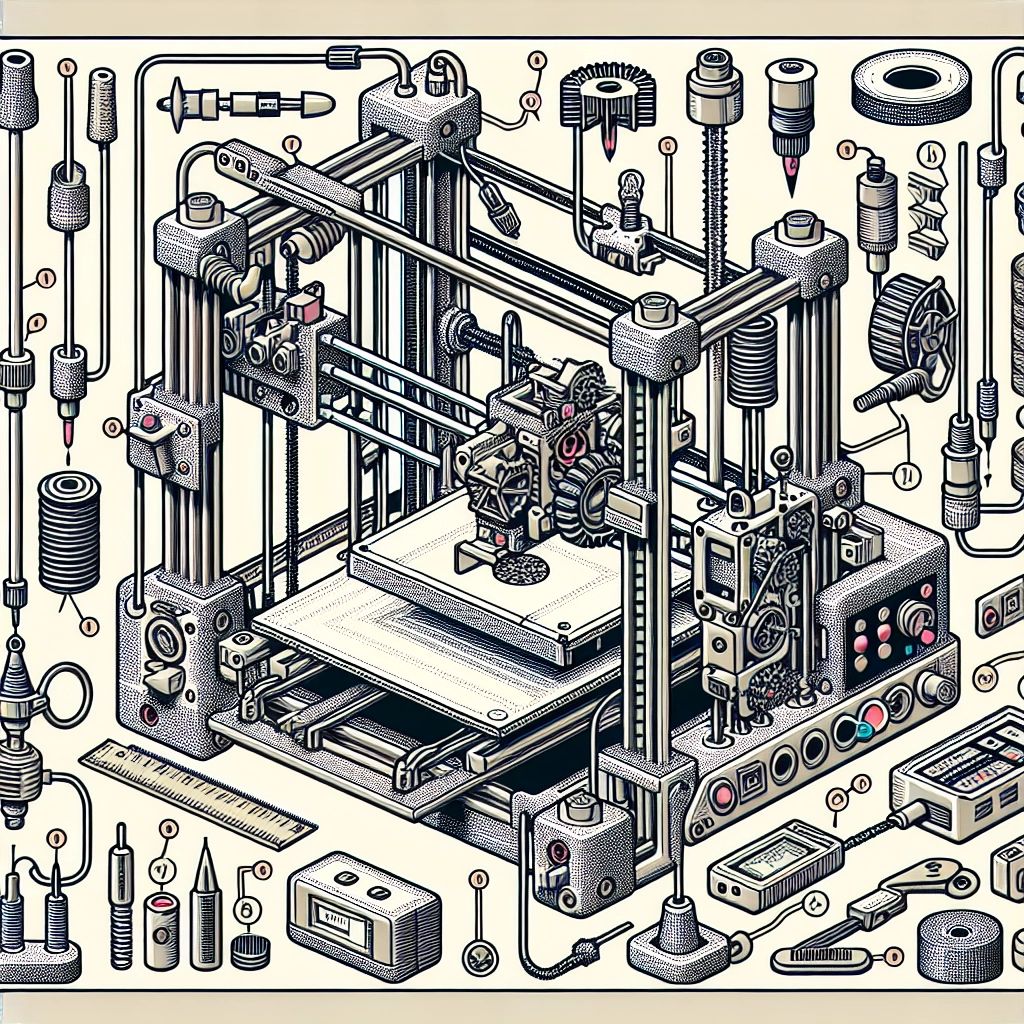
Printing the Object: With the sliced file ready, it’s time to load it into the 3D printer. Different types of 3D printers use various technologies to lay down the material, such as Fused Deposition Modeling (FDM), Selective Laser Sintering (SLS), or Stereolithography (SLA). FDM, for example, uses a spool of thermoplastic filament, which is heated and extruded through a nozzle to build up the object layer by layer.
-
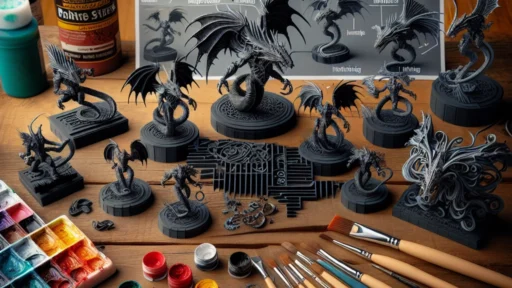
Post-Processing: Once the printing is complete, you often need to do some post-processing. This might involve removing support structures, sanding the surface, or even painting the final product. This step is crucial for achieving a polished look and ensuring the item is functional or aesthetically pleasing.
The Materials Used in 3D Printing
The versatility of 3D printing is also evidenced by the wide variety of materials you can use. Some of the most common materials include:
- Plastics: Thermoplastics like PLA (Polylactic Acid) and ABS (Acrylonitrile Butadiene Styrene) are popular due to their ease of use and affordability.
- Metals: For more advanced applications, like aerospace or medical devices, metals such as titanium and aluminum can be used.
- Resins: Used primarily in SLA printing, resins can deliver highly detailed and smooth surfaces.
- Composites: These materials combine different substances, such as carbon fiber-infused filaments, to enhance strength and durability.
Choosing the right material can significantly impact the final product’s characteristics, such as flexibility, hardness, and even temperature resistance.
The Impact of 3D Printing
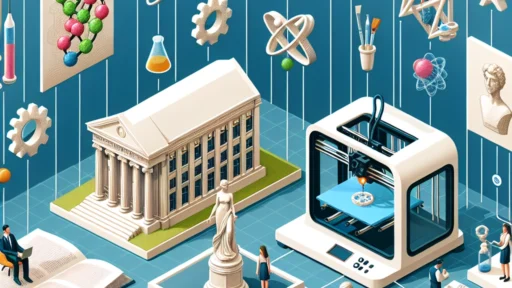
3D printing has more than just a cool factor; it’s actively changing industries. In manufacturing, it enables rapid prototyping, allowing engineers to quickly test their designs and make adjustments. In healthcare, 3D printing can create customized implants, prosthetics, and even bioprint human tissues. The education sector also benefits from 3D printing, as it provides students with hands-on experience in design and engineering.
As this technology continues to evolve, we can only imagine where it might lead us next. Perhaps a future where you can “print” your meals, create sustainable housing materials, or even produce daily essentials at home on-demand isn’t far off.
In just a few short years, 3D printing has transformed from a niche hobby into a vital tool in modern society. Understanding the mechanics behind this technology not only demystifies it but can also inspire creativity and innovation in countless fields. Whether you’re an artist, an engineer, or just a curious soul, exploring the world of 3D printing is like opening a door to infinite possibilities. Who knows? You might just embark on your very own 3D printing adventure!