

Future Materials in 3D Printing: What Are They?
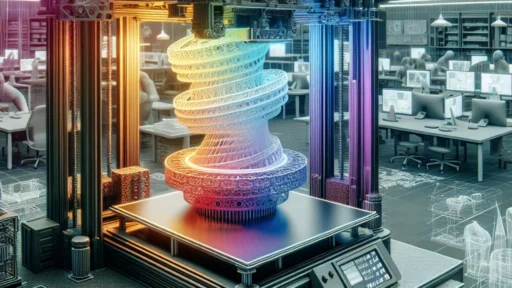
The world of 3D printing is evolving at a breakneck speed, and with it comes the excitement around new materials that are pushing the boundaries of what we can create. From healthcare to aerospace, and even fashion, future materials in 3D printing hold the promise of revolutionizing how we think about manufacturing and design. So, let’s dive in and uncover some of these groundbreaking materials that could shape our future!
The Rise of Bio-Ink
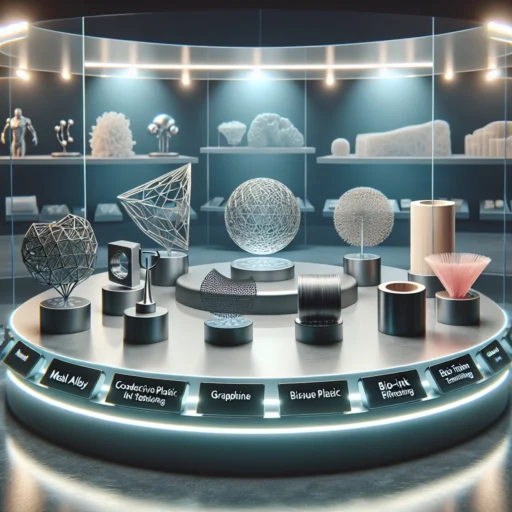
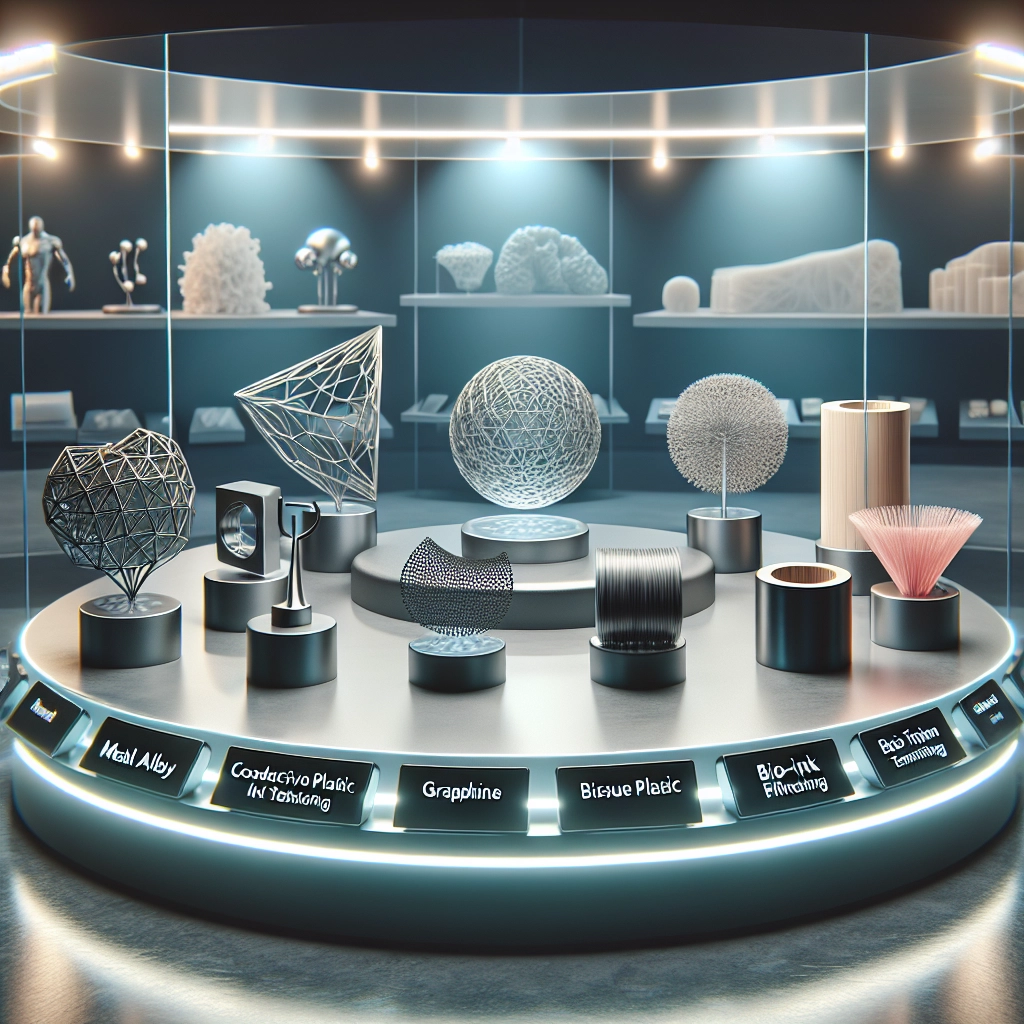
One of the most intriguing advancements in 3D printing is the development of bio-inks, which are materials made from living cells. These bio-inks allow for the bioprinting of tissues and organs, paving the way for innovative applications in medicine. Imagine a world where we can print living tissues for transplants or even create custom prosthetics tailored exactly to an individual’s anatomy. Researchers are already using bio-inks to create simple structures like skin, cartilage, and even blood vessels. The potential to revolutionize medical treatments and tissue engineering is immense, and it’s exciting to think that we could one day print organs on demand!
Smart Materials: A Step Towards the Future
Smart materials that can adapt and respond to environmental changes are another fascinating area in 3D printing. These materials can change shape, color, or even properties when exposed to different stimuli, such as temperature, light, or moisture. For example, imagine a 3D printed structure that expands in the heat of the sun or changes color when it’s raining! These adaptive materials have potential uses in fields like architecture, where buildings could respond to weather conditions, and in fashion, where clothing could change its look based on mood or environment. The future of 3D printing not only focuses on creating static objects but also on crafting items that can interact with their surroundings.
Metal Alloys and Beyond
While plastic has long been the king of 3D printing materials, metals are gaining ground and opening exciting new possibilities. Innovative metal alloys can be formulated to be stronger, lighter, and more resistant to corrosion than traditional metals, enhancing their application in industries like aerospace and automotive manufacturing. The challenge has been to find ways to 3D print these materials effectively, but advances like laser sintering are making it possible. Companies are now able to produce intricate metal components that are both lightweight and incredibly strong. The use of such materials can greatly improve fuel efficiency in planes and vehicles, which is a win for both manufacturers and the environment.
Sustainable Options: Biodegradable Plastics
Sustainability is becoming increasingly important in every industry, and 3D printing is no exception. As we look to the future, the development of biodegradable and recyclable materials will become crucial in reducing environmental impact. Researchers are exploring new bioplastics made from renewable resources such as cornstarch, which can decompose naturally over time. By adopting these materials, 3D printing has the potential to contribute significantly to waste reduction and promote a circular economy, where products are designed with their end-of-life in mind. Imagine 3D printed items that not only fulfill our needs but also protect our planet!
Composite Materials: The Best of Both Worlds
Composite materials, which combine two or more different materials to create something stronger and more versatile, are also making waves in the world of 3D printing. These can be customized for specific applications, combining the lightweight nature of plastic with the strength of carbon fiber or metals. This fusion results in products that can endure extreme conditions without compromising on performance. The use of composite materials is particularly promising in industries like sports equipment manufacturing and automotive parts production, where both weight and durability are essential.
What Lies Ahead
As we gaze into the future of 3D printing, it’s clear that new materials are at the forefront of innovation. They enable us to push the boundaries of creativity and sustainability, allowing for designs and applications we once only dreamed of. From bioprinting human tissues to crafting smart adaptive living spaces, the future is bright and full of possibilities.
While these materials are still in various stages of development, the potential impacts on our daily lives and industries are immense. As technology advances and becomes more accessible, we all stand to benefit from the creativity and ingenuity that these future materials in 3D printing will bring. Who knows? The next time you need a replacement part or even a new organ, you might just find it was printed right before your eyes!