

3D Printing: A Look into Real-World Applications and Innovations
If you peek around your home or workplace, the likelihood is high that you could find something that’s been made using 3D printing. This innovative technology has come a long way since its inception, transitioning from a niche hobbyist activity to a mainstream tool affecting various industries. Whether you’re a casual observer or a tech-savvy enthusiast, the impacts of 3D printing are remarkable and, quite frankly, pretty exciting!
A Brief Overview of 3D Printing
So, what exactly is 3D printing? At its core, 3D printing, or additive manufacturing, involves creating three-dimensional objects from a digital file. Unlike traditional manufacturing processes that often involve cutting away material, 3D printing allows you to layer materials — such as plastics, metals, and even bio-materials — to get to the final product. This unique approach opens the door to creativity and flexibility, making it a revolutionary technology in many fields.
Medical Marvels
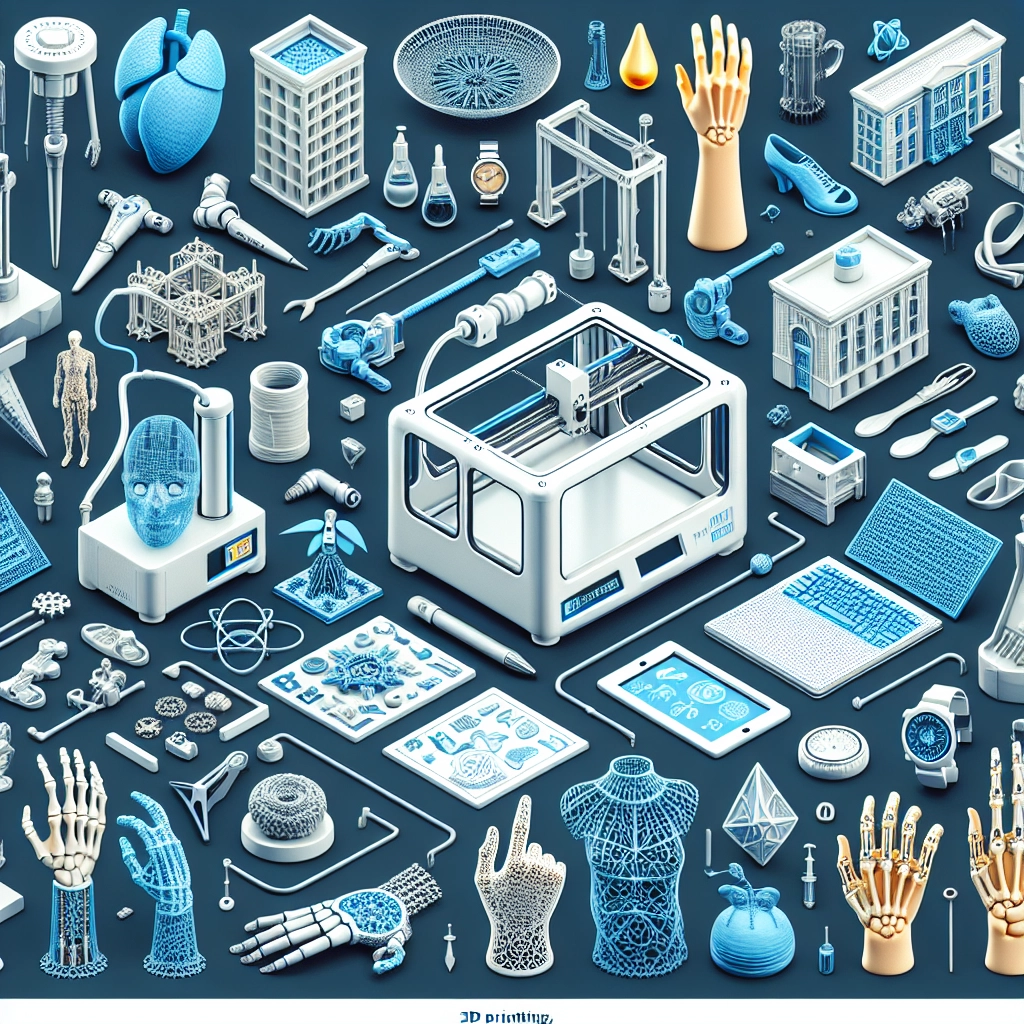
One of the most profound applications of 3D printing lies in the medical field. From prosthetics to organ models, the impact is impressive. Custom prosthetic limbs, for example, can now be created to match a patient’s exact specifications. This personalized touch not only enhances comfort but also improves functionality.
But it doesn’t stop there. Researchers are exploring bioprinting, which involves printing with live cells to create tissues and organs. While it’s still in the experimental stages, the potential to print organs for transplants is revolutionary, potentially saving countless lives while reducing the strain on donor waiting lists. Imagine a future where we can print a new heart or liver right in the lab – it’s a thrilling thought!
Aerospace and Automotive Innovations
The aerospace and automotive industries are also reaping the benefits of 3D printing technology. Companies like Boeing and Airbus are using it to manufacture lightweight components that improve fuel efficiency without compromising safety. These parts can be produced quicker than traditional methods, meaning a faster turnaround time from concept to production.
Similarly, automotive giants such as Ford and BMW are experimenting with 3D printing for prototyping and producing spare parts. This approach allows car manufacturers to easily create and test new designs, giving them the flexibility to adapt to market demands swiftly without investing heavily in traditional production methods.
Architecture Meets 3D Printing
The architectural realm has been notably shaken up by 3D printing as well. Imagine being able to print a house in a couple of days instead of months! That’s not just a pipe dream; it’s happening. Innovative companies are developing large-scale 3D printers that can construct homes using concrete and other materials. Not only can this reduce construction costs significantly, but it also minimizes waste and speeds up the building process.
And don’t forget the artistic possibilities! Architects are using 3D-printed models to visualize their designs in a tactile form, providing clients a better understanding of the project’s layout and aesthetics.
The Fashion Forward
Fashion is another industry where 3D printing is making waves. Designers are pushing the boundaries of creativity by utilizing 3D printing to produce unique textures and shapes that would be impossible to achieve with traditional methods. From intricate jewelry to avant-garde garments, this technology allows fashion designers to explore new design philosophies and sustainable practices.
For example, companies are now producing clothing from biodegradable materials, helping to reduce textile waste while offering consumers styles that are as eco-friendly as they are chic.
Education and Prototyping
In the world of education, 3D printing is providing students with hands-on learning experiences in science, technology, engineering, and math (STEM) fields. Schools and universities are investing in 3D printers for classrooms, allowing students to bring their ideas to life, fostering creativity and innovation.
Moreover, entrepreneurs and inventors are using 3D printing for prototyping their products before going into mass production. This not only saves costs but also allows innovators to refine their designs based on real-world feedback.
The Future of 3D Printing
As we look to the future, the possibilities for 3D printing seem endless. With continuous advancements in materials and techniques, we are standing on the precipice of a manufacturing revolution that’s more efficient, customizable, and accessible than ever.
While some skeptics question the long-term sustainability and ethical implications of this technology, the potential benefits far outweigh the risks, especially when it comes to humanitarian efforts and environmental conservation. As we blend creativity with technology, 3D printing is more than just a trend; it’s a transformative force shaping our world.
So the next time you come across a 3D-printed item, take a moment to appreciate not just the innovation behind it, but the myriad ways it is contributing to a brighter, more sustainable future for us all!