
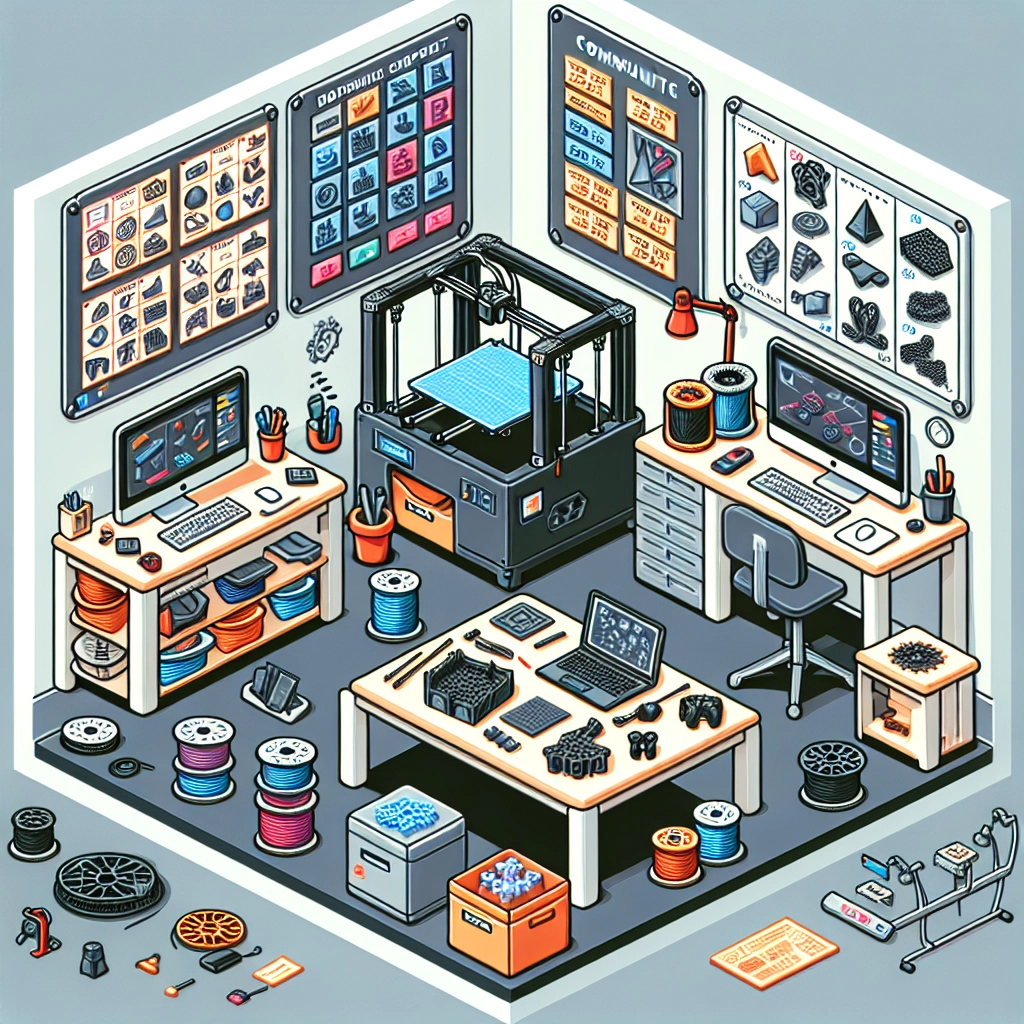

3D Printing as a Hobby: Equipment, Costs, and Community
If you’ve ever dreamed of creating your own custom designs—whether it’s a quirky figurine, a practical tool, or even parts for a personal project—you might want to consider diving into the world of 3D printing. This fascinating and rapidly growing hobby offers a unique blend of creativity, technology, and community interaction that can be incredibly fulfilling. So, let’s explore the essentials: the equipment you’ll need, the costs involved, and the vibrant community surrounding this exciting craft.
Equipment
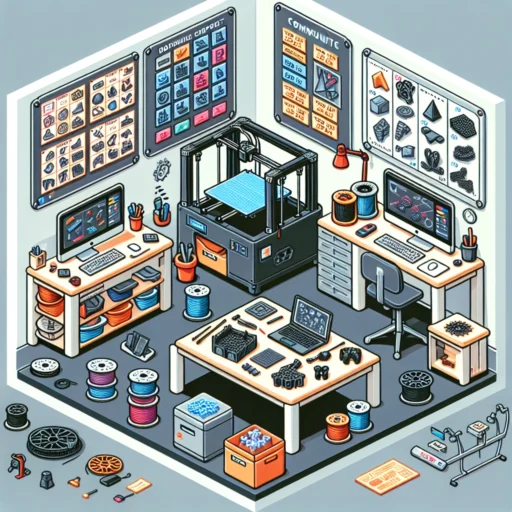
To embark on your 3D printing journey, you’ll need to start with a 3D printer, and thankfully, there are plenty of options to suit different needs and budgets.
-
3D Printers:
- Fused Deposition Modeling (FDM) printers are the most common type for beginners. They work by extruding melted plastic filament layer by layer to create an object. Models like the Creality Ender 3 or Prusa Mini are popular choices for beginners due to their affordability and reliable performance. Prices typically start around $200 and can go up to $500 for more advanced models.
- Resin Printers: If you’re looking for higher detail, resin printers offer impressive resolution. However, they generally come at a higher cost (starting around $300) and involve a more complex setup with safety considerations for handling resin.
-
Filament or Resin: Depending on your printer type, you’ll need materials to print with. For FDM printers, PLA (Polylactic Acid) is a good beginner-friendly choice—it’s easy to work with and biodegradable. A spool of filament usually costs between $20-$30. Resin, on the other hand, can cost $40 to $80 per bottle but is required for resin printers.
-
Tools and Accessories:
- Essential tools might include a scraper for removing prints from the build plate, a set of tweezers, and perhaps a pair of gloves if you’re working with resin. It’s also useful to have a decent slicing software, which converts your 3D model into instructions the printer can understand. Many slicers are free (like Cura or PrusaSlicer), while others might come with a purchase of the printer.
-
Computer or Device with Software: A device to design or download models is crucial. Free software options like Tinkercad, Fusion 360, or Blender can help you create your designs, while websites like Thingiverse or MyMiniFactory offer a plethora of free models to print.
Costs
You might be wondering: how much should you budget for this hobby? Entering the realm of 3D printing can be surprisingly affordable, though expenses can add up based on how serious you get.
-
Starter Costs: If you consider a basic FDM printer, you might spend about $200-$500 initially. Add in filament or resin, tools, and maybe a few design software licenses, and you could total anywhere from $300 to $600 to get started.
-
Ongoing Costs: After your initial investment, your most significant recurring cost will be material. A spool of filament may last several prints but expect to spend $20-$50 per month depending on how much you print. Resin can add up quickly, especially with larger projects.
-
Upgrades and Maintenance: As you dive deeper into the hobby, you might find yourself wanting to upgrade to a better printer or invest in additional accessories like enclosures, better cooling systems, or even multi-material printing capabilities.
Community
One of the best aspects of 3D printing as a hobby is the vibrant and welcoming community surrounding it. Forums, social media groups, and local maker spaces are awesome for connecting with fellow enthusiasts. Websites like Reddit have various subreddits dedicated to 3D printing where beginners can ask questions, share prints, and exchange tips.
Local maker spaces are also fantastic places to learn—often with classes for beginners on design and printing. This community-driven aspect not only accelerates your learning curve but also makes the hobby a lot more enjoyable. Plus, events like Maker Faires offer a great opportunity to see what others are creating, meet with manufacturers, and even start networking if you want to take your hobby further.
While starting your 3D printing journey might feel a little daunting at first, with some research and community support, you’ll find it’s a rewarding way to unleash your creativity. Whether you’re printing unique gifts for friends, prototyping a personal project, or simply enjoying the process of making, 3D printing allows for endless possibilities. So grab that printer, join a forum, and get ready to turn your ideas into tangible reality—one layer at a time!