



The Magic of 3D Printing: Transforming Ideas into Tangible Objects
In a world where advancements in technology seem to happen overnight, one innovation has captured imaginations and reshaped industries: 3D printing. This fascinating technology takes the seemingly intangible – your ideas, sketches, or computer designs – and transforms them into real, physical objects right before your eyes. It’s like wielding a magic wand, and everyone from hobbyists to engineers is jumping in on the enchantment.
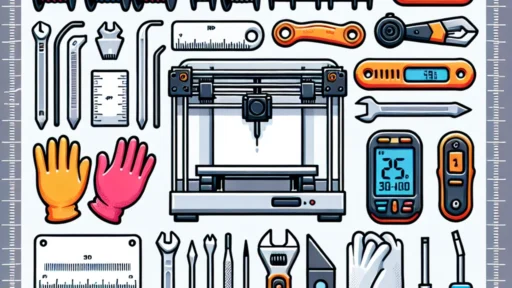
But what exactly is 3D printing? At its core, 3D printing, or additive manufacturing, builds objects layer by layer from a digital file. Unlike traditional manufacturing, which often involves cutting away material from a solid block (subtractive manufacturing), 3D printing adds material to create the desired shape. This process allows for complex designs that would be nearly impossible to achieve by hand or with conventional methods. It’s like having a superpower in your craft toolbox.
A Playground of Possibilities
The beauty of 3D printing lies in its versatility. Whether you want to create a prototype for a new product, craft bespoke jewelry, or print a replacement part for a beloved gadget, the possibilities are nearly endless. Designers are experimenting with everything from home décor items to intricate art pieces, pushing the creative boundaries of what’s achievable. Plus, with a vast library of online 3D models available for download, the learning curve isn’t as steep as you might think.
From educational institutions to workshop spaces, 3D printing has become a tool for creativity and learning. Students can bring their ideas to life, gaining valuable hands-on experience in design and innovation. Meanwhile, professionals use it to streamline their production processes, reducing waste and fostering sustainable practices along the way. So whether you’re a teacher, engineer, or just someone with a wild idea, there’s a place for you in the 3D printing world.
The Healthcare Revolution
One of the most remarkable applications of 3D printing is in the healthcare sector. Imagine being able to create customized prosthetics that perfectly fit a patient’s needs, or even 3D-printed organs for transplantation. While we’re not quite at the point of printing a human heart just yet, there have been incredible strides in bioprinting. Researchers are experimenting with 3D-printed tissues for research and potential future treatments.
Moreover, the pandemic highlighted the utility of 3D printing. When PPE shortages hit, makers across the globe stepped up, using their printers to produce face shields, masks, and other critical supplies. This grassroots response showcased not only the adaptability of 3D printing but also the power of community spirit in times of need.
Sustainability and Cost Efficiency
In recent years, sustainability has become a hot topic, and 3D printing presents some exciting opportunities in this arena. By using only the necessary materials for a design, companies can significantly reduce waste. Imagine a manufacturing process that creates less pollution and requires fewer resources! With advancements in biodegradable and recycled materials, the future of 3D printing could be greener than ever.
Not to mention, 3D printing can drive down costs. Traditional manufacturing requires expensive molds and tooling, which can be prohibitive, especially for startups or small businesses. In contrast, 3D printing can produce products with significantly lower upfront costs, making it accessible to a wider array of innovators.
Challenges and Future Directions
Like any technology, 3D printing isn’t without its challenges. Intellectual property concerns, print quality, and limits on material types can pose hurdles. However, these obstacles spur innovation as engineers and designers work tirelessly to address them. After all, every emerging technology needs a bit of refinement before it can truly shine.
Looking ahead, the future of 3D printing is bright. As technologies improve and the accessibility of 3D printers increases, we could see a shift toward more localized production. Imagine an era where you could print your bicycle or furniture right at home! As we inch closer to that reality, the line between the digital and physical worlds becomes even blurrier.
3D printing is not just a fad; it’s a remarkable convergence of creativity and technology that’s changing our world. Whether you’re an entrepreneur looking to bring your next big idea to life, an artist pushing the limits of your craft, or someone curious about building something new, the magic of 3D printing invites you to take part in this transformative journey. It’s a testament to human ingenuity and the desire to turn dreams into reality—layer by layer.