

Exploring the World of 3D Printing: A Beginner’s Guide
Welcome to the exciting world of 3D printing! If you’re reading this, you’ve probably heard about 3D printing and are curious about what all the buzz is about. From creating custom toys to intricate prototypes, 3D printing is revolutionizing how we think about manufacturing, art, and even daily life. Buckle up for a journey into the basics of 3D printing, where we’ll cover everything from how it works to what you need to get started.
What is 3D Printing?
At its core, 3D printing, or additive manufacturing, involves creating three-dimensional objects from a digital file. Unlike traditional manufacturing processes that often subtract material (like cutting or drilling), 3D printing builds objects layer by layer, adding material until the final piece is complete.
The 3D printing process typically begins with a 3D model, which can be designed using software like Tinkercad, Blender, or AutoCAD. If you’re not keen on creating your own designs, there’s a treasure trove of pre-made models available on websites such as Thingiverse or MyMiniFactory.
The Types of 3D Printing Technologies
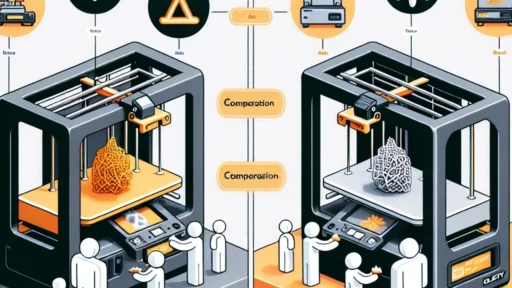
There are several different technologies used in 3D printing, each with its strengths and weaknesses. Here are three popular methods to get you started:
-
Fused Deposition Modeling (FDM): This is the most common type of 3D printing and is perfect for beginners. It works by melting filament (usually made of thermoplastics like PLA or ABS) and laying it down in layers. FDM printers are usually affordable and user-friendly, making them an excellent option for hobbyists.
-
Stereolithography (SLA): This technology uses ultraviolet light to cure liquid resin layer by layer. SLA printers can create highly detailed and intricate designs, making them perfect for jewelry, dental models, and more. However, they tend to be more expensive and require post-processing.
-
Selective Laser Sintering (SLS): SLS works by using a laser to fuse powdered material (like nylon) into solid objects. This method allows for complex geometries and produces strong parts, but it requires specialized equipment and is often suited for industrial applications rather than home use.
Getting Started: Tools and Materials You’ll Need
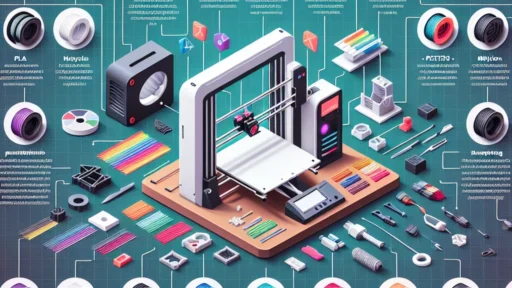
Diving into 3D printing doesn’t have to be overwhelming! Here’s what you’ll need to kick off your new hobby:
-
3D Printer: Start with a budget-friendly FDM printer if you’re new. Brands like Creality, Prusa, and Anycubic offer reliable machines for budding enthusiasts.
-
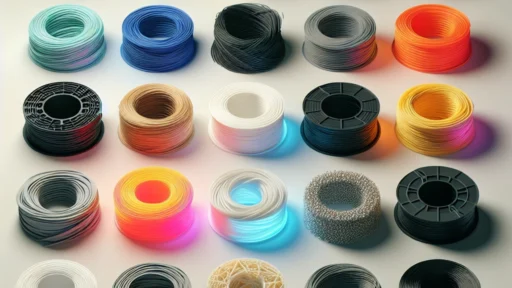
Filament: For FDM printers, your primary material will be filament in spools. PLA is a great choice for beginners because it’s easy to work with and eco-friendly. ABS and PETG are also popular but may require some additional setup and ventilation.
-
Slicing Software: To convert your 3D model into instructions that your printer can understand, you will need slicing software. Popular options like Cura or PrusaSlicer are beginner-friendly and often free.
-
Design Software: If you want to create your own models, software like Tinkercad (which is web-based and very intuitive) or Fusion 360 (more advanced but powerful) will be handy.
The 3D Printing Process
Now that you have your tools, how does the actual printing process work? Here’s a simplified breakdown:
- Design or Download a Model: Create your 3D model using design software or download a ready-made model.
- Slice the Model: Use your slicing software to convert the 3D model into G-code, a language that tells your printer how to move.
- Prepare Your Printer: Load filament into the printer, set the build plate, and get everything ready for the print.
- Send the G-code to the Printer: Whether via USB, Wi-Fi, or SD card, load your G-code file and start the printing process.
- Printing: Watch as your printer gradually builds your object layer by layer. Sit back, relax, and maybe grab a snack while you wait!
- Post-Processing: Once printing is done, you might need to remove support structures or sand down rough edges, depending on your design.
Embrace the Learning Curve
While 3D printing is a fascinating and rewarding hobby, it can be a little tricky at first as you familiarize yourself with the technology. Don’t be discouraged if your first few prints don’t turn out perfectly! Learning and experimentation are part of the fun. Join online communities, watch tutorials, and don’t hesitate to ask questions. You’ll find that there’s an incredibly supportive and passionate community out there.
So, are you ready to embark on your 3D printing adventure? Whether you want to create unique gifts, test your design skills, or dive into the world of prototyping, the possibilities are endless. Just remember to take it one layer at a time, and soon enough, you’ll be crafting your own 3D wonders! Happy printing!