
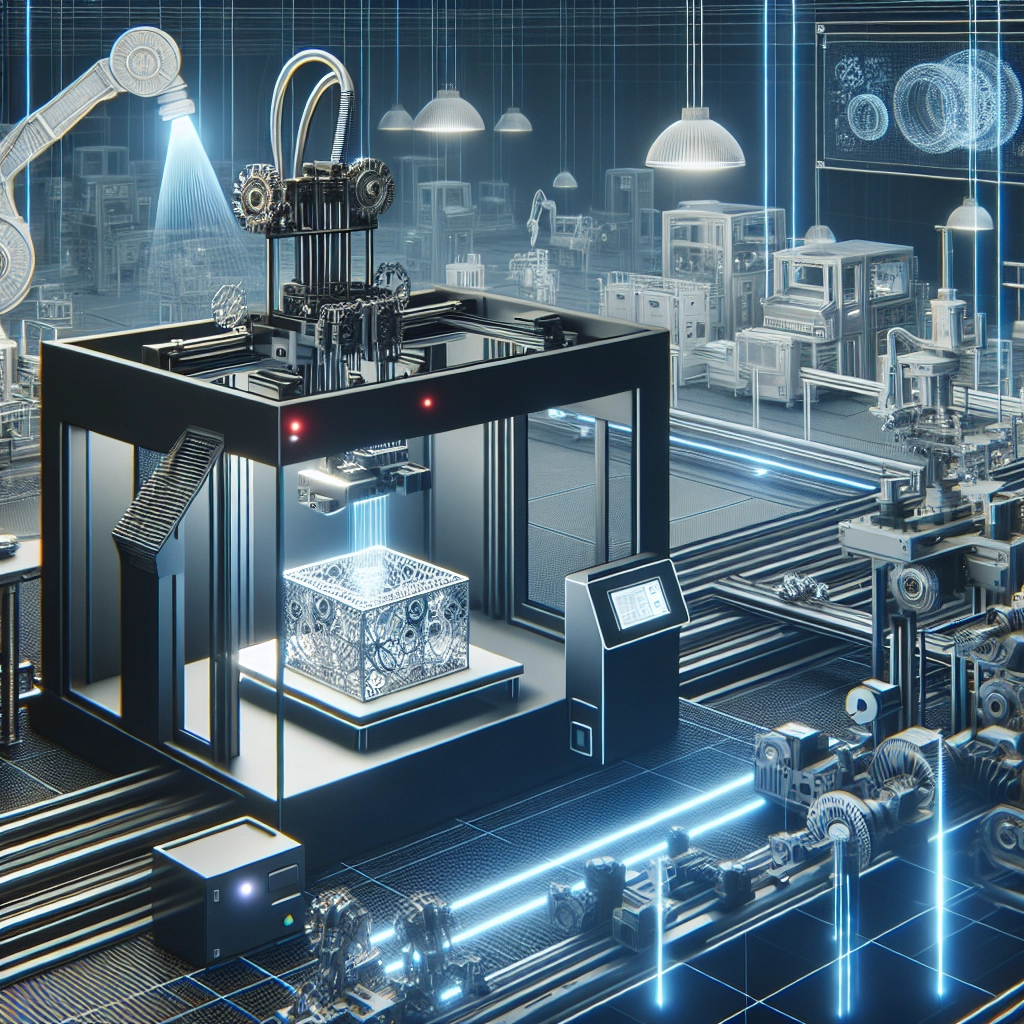

The Role of 3D Printing in Modern Manufacturing
In today’s fast-paced world, technology advances at an unbelievable rate, transforming how we live, work, and interact with our environment. One of the most exciting innovations that has emerged in recent years is 3D printing, which has revolutionized manufacturing processes across various industries. From prototyping to end-use products, 3D printing is changing the landscape of creation and production in profound ways.
What is 3D Printing?
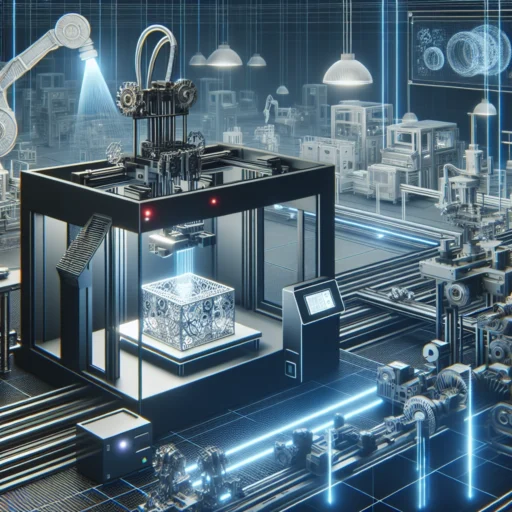
At its core, 3D printing, or additive manufacturing, refers to creating a three-dimensional object from a digital file. This process involves laying down material, often layer by layer, to build the object up from scratch. What sets 3D printing apart from traditional manufacturing methods is its ability to create complex geometries and intricate designs that would be impossible or prohibitively expensive to replicate using conventional methods like injection molding or subtractive manufacturing.
Customization and Personalization
One of the most significant advantages of 3D printing is its capacity for customization. In a world that increasingly values individuality, 3D printing empowers consumers and manufacturers alike to create personalized products tailored to individual needs or preferences. For instance, in the fashion realm, designers can easily create bespoke clothing or accessories that perfectly fit a customer’s unique measurements. Similarly, the healthcare sector has embraced 3D printing to produce custom implants, prosthetics, and even dental devices, leading to a better fit and improved patient outcomes.
Cost-Effectiveness and Efficiency
When talking about modern manufacturing, the cost-effectiveness of a process can’t be overstated. 3D printing significantly reduces material waste, as products are built layer by layer using only the necessary amount of material. This efficiency not only cuts costs but also minimizes the environmental impact, making it a more sustainable manufacturing option. Moreover, designing and producing prototypes becomes much faster and affordable. Businesses can iterate designs quickly and test them without committing to large production runs, which was often the norm using traditional methods.
Supply Chain and Logistics
3D printing is also reshaping supply chains. With the ability to produce items on-demand, manufacturers can reduce their inventory levels and storage costs significantly. Instead of shipping products halfway across the globe, companies can simply “print” items where they are needed – a game-changer for logistics. For example, aerospace companies are starting to adopt 3D printing for spare parts, allowing them to produce components on-site instead of relying on lengthy shipping processes from suppliers. This not only reduces lead times but also enables quicker responses to production needs.
Challenges and Considerations
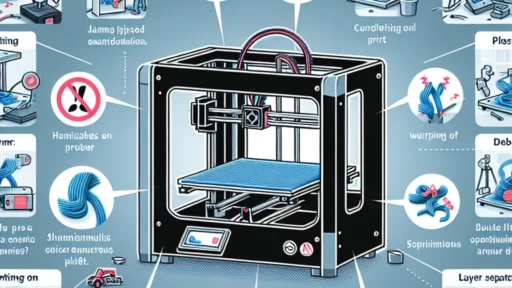
Of course, like any emerging technology, 3D printing faces its fair share of challenges. While the cost of 3D printers has come down in recent years, high-quality industrial printers can still be a significant investment. Additionally, materials suitable for 3D printing are still somewhat limited compared to traditional manufacturing methods, especially for large-scale production. Issues like quality control, material strength, and finishing still need to be addressed, particularly in fields like aerospace or the medical industry, where precision is paramount.
Furthermore, intellectual property and copyright issues are becoming increasingly relevant as 3D printing enables easy replication of existing designs. This raises questions about who holds the rights to a digitally designed product and how to protect those rights in a world where designs can be easily shared and printed by anyone with a 3D printer.
Looking to the Future
Despite these challenges, the future of 3D printing in manufacturing looks incredibly promising. As technology continues to advance, we can expect improvements in materials, speed, and overall quality, making 3D printing even more accessible and versatile. From space exploration to everyday household items, the possibilities are boundless.
As companies and individuals alike embrace this innovative manufacturing method, we may see a shift toward more decentralized and democratized production models, where anyone with a printer can create nearly anything they can imagine. This not only fosters creativity but also opens doors to new solutions for old problems.
In conclusion, 3D printing is more than just a trendy buzzword; it’s a transformative force in modern manufacturing that is here to stay. By enabling innovation, improving sustainability, and providing unprecedented levels of customization, 3D printing is shaping the future of how we make things. As we navigate this exciting terrain, it’s thrilling to imagine what our world might look like when we harness the full potential of this remarkable technology.