

Best Practices for 3D Printer Safety
As 3D printing technology continues to evolve, more hobbyists and professionals alike are diving into the exciting world of additive manufacturing. While it’s thrilling to see your digital designs come to life, it’s essential to remember that safety should always be a priority. Whether you’re a seasoned pro or just starting out, here are some best practices to ensure a safe and enjoyable 3D printing experience.
Understand Your Equipment
Every 3D printer is different, and it’s crucial to familiarize yourself with your specific model. Take time to read the user manual and explore online resources. Know the manufacturer’s recommendations for safe operation, including maintenance tips and troubleshooting guidance. Understanding the components of your printer, from the heated bed to the nozzle, can help you avoid many common hazards.
Create a Safe Workspace
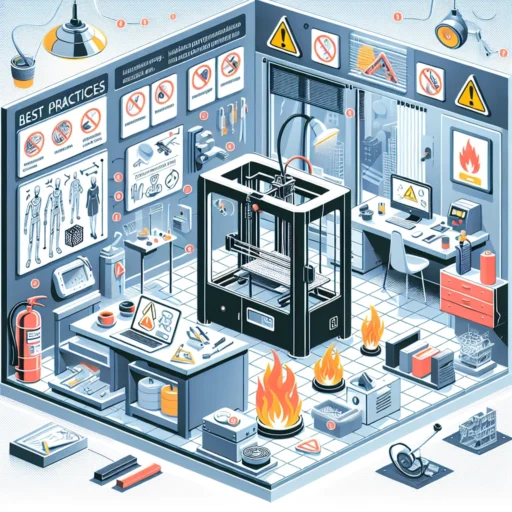
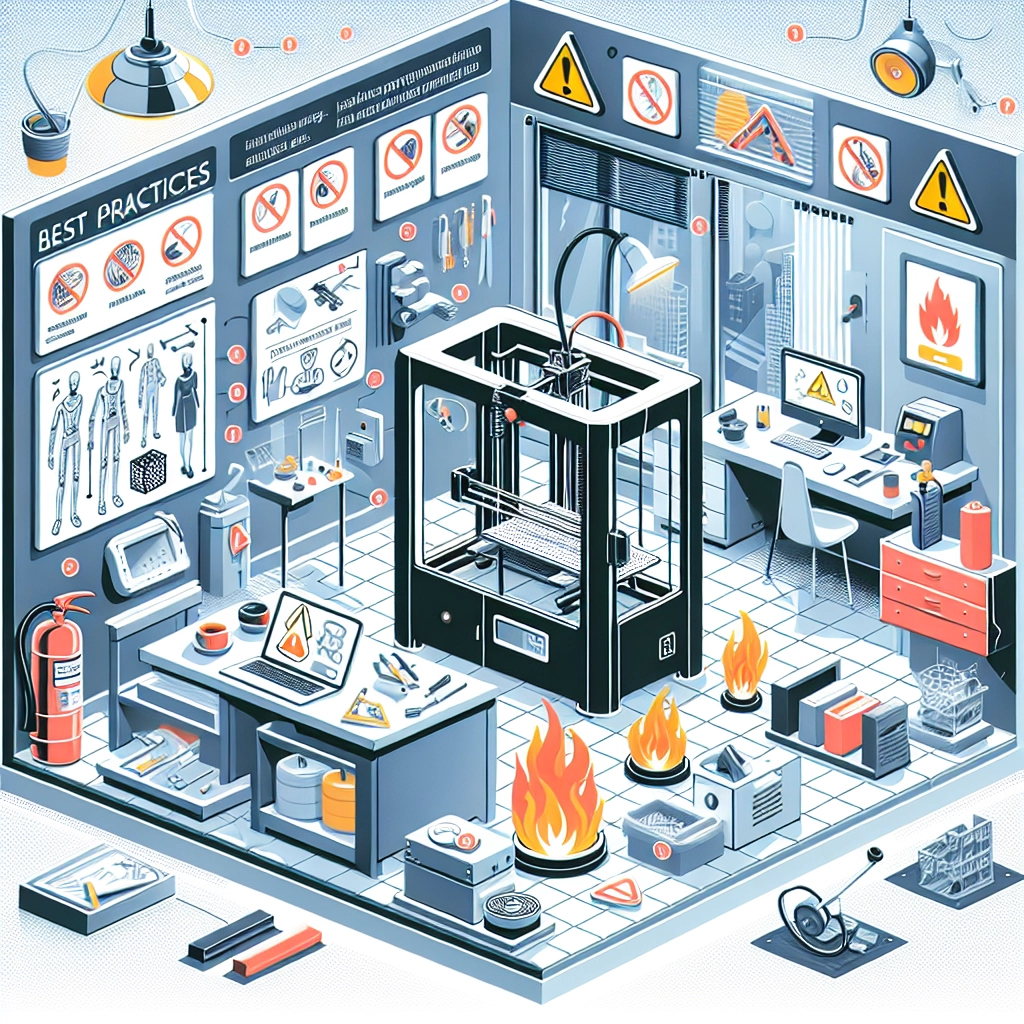
Choose a designated area for your 3D printing endeavors. This space should be well-ventilated, as some 3D printing materials can emit fumes when heated. Ideally, you should have a dedicated room with exhaust or windows that can be opened for fresh air. If setting up a properly ventilated room isn’t an option, consider using an air purifier to help mitigate any harmful particles.
Moreover, keep your workspace organized. Avoid clutter around the printer itself to prevent accidents, and designate specific spots for tools, filaments, and other materials. This will not only keep you safe but will also make your workflow much more efficient.
Know Your Materials
Familiarize yourself with the materials you’re using. While PLA is one of the most commonly used filaments and is considered relatively safe, other materials like ABS can emit potentially harmful fumes when printed. Some specialty filaments, such as nylon or TPU, may also pose specific risks. Always check for the Material Safety Data Sheets (MSDS) for the materials you’re working with and take the necessary precautions to handle them properly.
Whenever possible, wear gloves while handling filament to avoid skin irritation and use a face mask or respirator if you’re printing with materials known to produce fumes. It’s all about striking a balance between creativity and safety.
Be Mindful of the Temperature
3D printers can get quite hot, and this isn’t just a minor detail to overlook. Heated beds and nozzles can reach temperatures exceeding 200°C (392°F), which can easily cause burns. Always pay attention to your printer while it’s operating. Consider investing in a thermal camera or infrared thermometer to monitor temperatures while printing, especially if your printer doesn’t have built-in safety features.
Adopting a “never leave it unattended while it’s printing” rule can help prevent accidents. It might sound a bit extreme, but it’s a mantra that many experienced makers adhere to while working with 3D printers.
Practice Electrical Safety
Aside from the heat, consider the electrical side of your printers. Make sure your printer is plugged into a dedicated outlet with a surge protector. Inspect cables for damage, and don’t overload power strips. It’s also a good idea to unplug the printer when it’s not in use. If you notice any unusual smells, sounds, or heating components, address these issues immediately.
Also, it’s a good idea to familiarize yourself with basic electrical safety protocols and how to turn off your printer in case of an emergency.
Proper Storage and Handling
Filaments should be stored correctly to ensure their longevity. Most filaments are susceptible to moisture and can degrade if not stored in airtight containers. Keep your spools in a cool, dry place, ideally in vacuum-sealed bags or with desiccants to keep humidity at bay.
Additionally, handle spools and printed objects carefully, particularly when they’re fresh off the printer. Some materials can be fragile or might have sharp components, so it’s wise to inspect prints thoroughly to avoid cuts or injuries.
Stay Informed and Connected
Join online communities where fellow 3D printing enthusiasts share their experiences and tips. Platforms like Reddit, Discord, or specific Facebook groups can be treasure troves of safety information, troubleshooting tips, and creative ideas. Knowledge is power, and connecting with others can keep you up-to-date on best practices, recent safety recalls, and the latest advancements in 3D printing technology.
Ultimately, 3D printing is a fantastic way to explore creativity and innovation. As long as you keep safety in mind and approach your projects with an informed and cautious attitude, you can enjoy this technology’s thrilling potential. So go ahead, unleash your imagination, and happy printing!