
Exploring Eco-Friendly 3D Filaments for Sustainable Printing
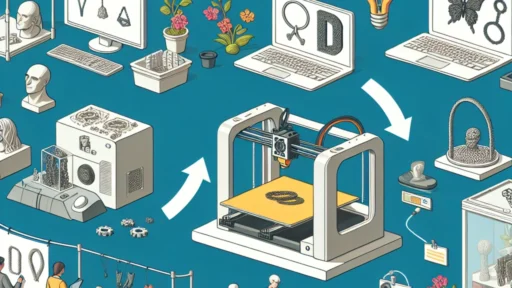
3D printing has revolutionized how we think about manufacturing, prototyping, and even personal projects. It’s an amazing technology that allows us to create everything from small trinkets to complex mechanical parts right from the comfort of our homes or workshops. But as we embrace this innovation, it’s crucial to consider its environmental impact. Enter eco-friendly 3D filaments—an answer to those nagging questions about sustainability in 3D printing.
What Are Eco-Friendly Filaments?
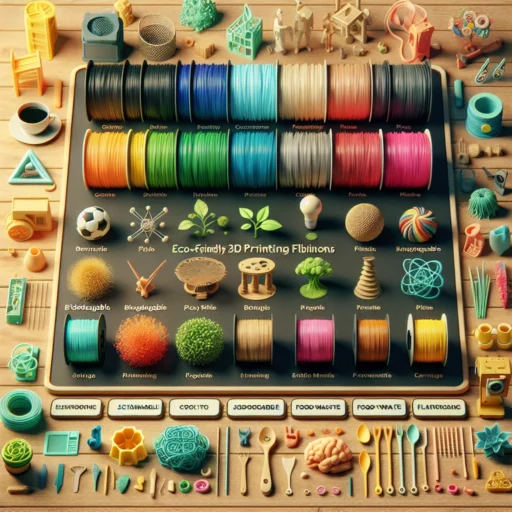
Eco-friendly filaments are made from biodegradable materials or sustainable resources, making them a better choice for environmentally-conscious creators. Traditionally, many 3D printing filaments like ABS (Acrylonitrile Butadiene Styrene) and PLA (Polylactic Acid) have been used. While PLA, derived from cornstarch, is often touted as a more sustainable alternative, not all filaments marketed as “eco-friendly” are created equal.
Here are some eco-friendly filament options to consider:
1. PLA (Polylactic Acid)
As mentioned, PLA is one of the most popular biodegradable filaments. It’s derived from natural resources like cornstarch or sugarcane, making it a perfect choice for those looking for a more sustainable option. PLA decomposes under industrial composting conditions, and it’s also relatively easy to print with—making it a favorite among hobbyists.
2. PHA (Polyhydroxyalkanoates)
PHA filament is another biodegradable option made from bacterial fermentation of organic materials. It’s a less common choice than PLA but has similar properties in terms of printability and degradation. PHA filaments can break down in marine environments, making it an exciting option for reducing plastic pollution.
3. PETG (Polyethylene Terephthalate Glycol)
While PETG is not biodegradable, it’s recyclable and often made from recycled PET bottles, thus reducing the need for virgin plastic. Its durability and strength make it an excellent alternative for functional parts. Plus, recycling PETG instead of tossing it contributes to a circular economy.
4. Wood Filaments
Wood-based filaments blend PLA with finely ground wood particles, giving your 3D prints a natural wood look and feel. These filaments are not just eco-friendly due to their plant-based components, but they also allow for creative, artistic projects that mimic real wood textures.
5. Hemp Filaments
Hemp is touted as a sustainable material due to its rapid growth cycle and low resource requirements. Hemp filaments combine PLA with hemp fibers, resulting in a strong, biodegradable filament that can produce unique textures in prints.
Why Go Eco-Friendly?
Beyond the obvious environmental benefits, using eco-friendly filaments can enhance your printing experience. Many of these materials are easier on the printer and produce less odor than traditional plastic filaments. For instance, PLA and other biodegradable options often emit fewer fumes, making for a more pleasant printing environment, especially for home users.
Moreover, with rising consumer awareness around environmental issues, using eco-friendly materials can boost your brand if you’re in a business setting. Promoting your 3D-printed products as sustainable can resonate with eco-conscious customers and set you apart from competitors who may not prioritize sustainability.
Considerations When Switching to Eco-Friendly Filaments
Transitioning to eco-friendly filaments isn’t always straightforward. Below are some points to keep in mind:
-
Printability: Not all eco-friendly materials are created equally when it comes to printing ease. Some can be trickier than traditional plastics, so do your research and consider doing test prints.
-
Durability: Certain biodegradable materials may not hold up as well as their non-biodegradable counterparts, especially in extreme temperatures or moist environments.
-
Storage: Some bioplastics can absorb moisture from the air, which can lead to poor print quality. Ensure you store your filaments in a cool, dry place to maintain their quality.
-
Recycling Knowledge: While PETG and other recyclable filaments contribute to a circular economy, be sure to know how to recycle them properly. Not all recycling facilities process these materials, so check your local guidelines.
With 3D printing’s power to create and innovate, it’s exciting to see how we can mold our journey toward a more sustainable future. By choosing eco-friendly filaments, you not only contribute to reducing plastic waste but also inspire others in the maker community to think green. It’s a small change that can have a big impact, proving that every filament choice counts in our quest for a cleaner, more sustainable planet. So, why not give eco-friendly 3D filaments a try? You might just find that your creations are more meaningful, and your impact, more significant.