
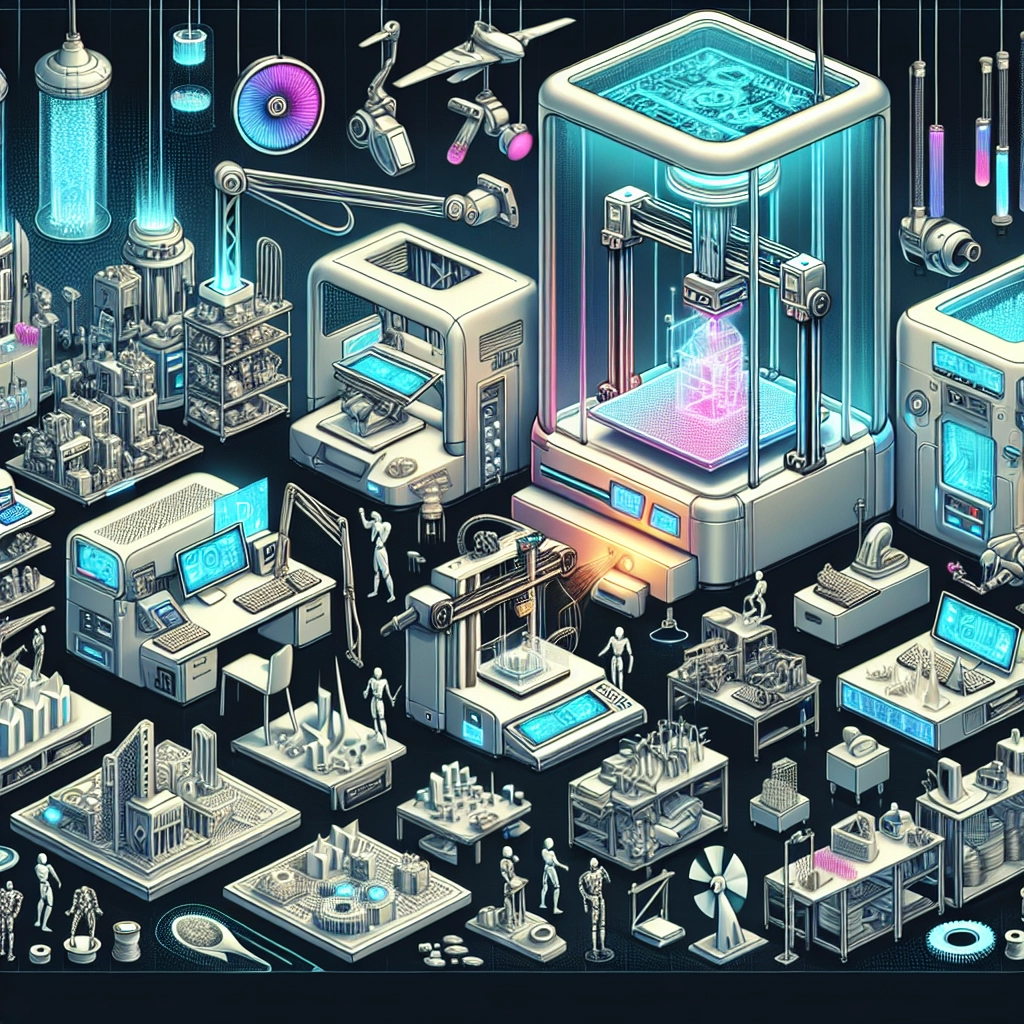

The Future of 3D Printing: Trends You Need to Know
3D printing has come a long way since its early days, evolving from a niche technology primarily used by engineers and designers to a powerful tool that influences various industries. Whether it’s creating prototypes in a design studio, printing food, or even constructing houses, the possibilities seem almost endless. As we look ahead, let’s dive into some of the most exciting trends shaping the future of 3D printing.
Expandable Materials: Beyond Plastic
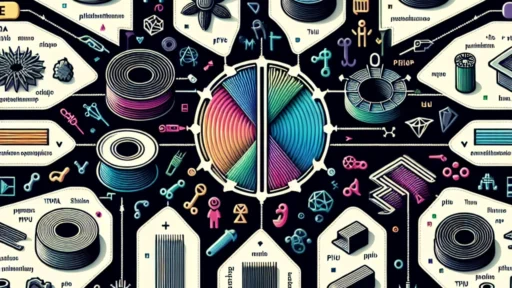
While plastic filaments have been the bread and butter of 3D printing for years, the material landscape is rapidly diversifying. We’re seeing a rise in biodegradable materials as well as metals, ceramics, and even organic materials. These new substances enable 3D printing to play a significant role in sustainable manufacturing. Innovations like bioprinting, which involves using living cells to create tissues and, potentially, organs, are on the horizon. Imagine a future where organs are printed on demand, thus addressing transplant shortages—sounds like something out of a sci-fi film, right?
Printing at Scale: From Small to Large
Gone are the days when 3D printing was confined to producing small objects like prototypes or toys. Companies are now developing large-scale printers capable of creating architectural components, infrastructures, or even entire buildings. For instance, some companies have experimented with 3D printing houses in a matter of days. This technology could revolutionize the construction industry, making housing more affordable and accessible. Plus, it just might lessen material waste since large constructions can be tailored to exact specifications, minimizing leftover materials.
Customization and Personalization
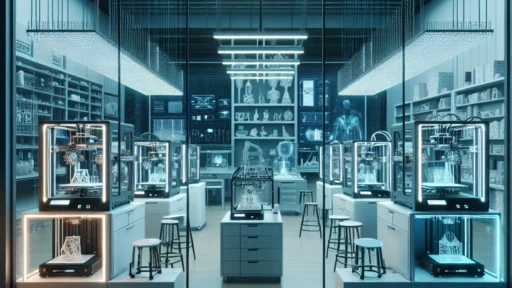
One of the most appealing aspects of 3D printing is its ability to offer customization. As consumers seek more personalized products—whether that’s unique jewelry, tailored shoes, or even bespoke medical devices—3D printing is ready to meet this demand. Businesses are leveraging 3D printing to create one-off products based on individual specifications. Imagine walking into a store, choosing a design, and having it printed right there. The advent of this "print-on-demand" model reduces inventory costs and creates a more engaging shopping experience, giving consumers exactly what they want without the wait.
Integration with AI and IoT
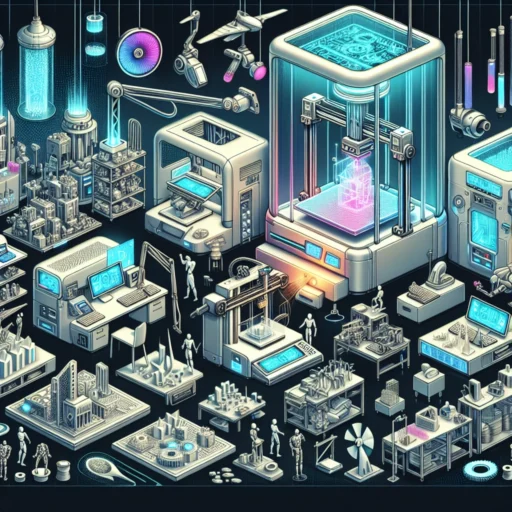
The synergy between 3D printing and emerging technologies like artificial intelligence (AI) and the Internet of Things (IoT) is turning heads. AI algorithms can optimize designs for 3D printing, resulting in more efficient parts that use fewer materials without sacrificing functionality. Likewise, IoT devices can monitor the printing process in real-time, making adjustments automatically to ensure perfection while minimizing human error. This integration not only enhances the printing process but also results in higher-quality products being produced at quicker rates.
A Push Towards Sustainability
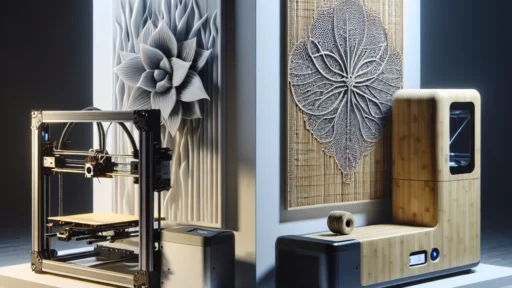
Sustainability is becoming non-negotiable, and the world of 3D printing is taking this to heart. Many companies are exploring ways to recycle materials and minimize waste in the printing process. Innovations in using recycled plastics and other eco-friendly materials are setting a framework for a more sustainable industry. Additionally, local manufacturing through 3D printing can trim down transportation emissions, as products are made closer to their end-users.
Medical Marvels
The medical field is already reaping the benefits of 3D printing, and the future holds even more promise. From prosthetics and dental implants to bio-printed tissues and organs, this technology facilitates rapid prototyping and customized medical solutions. 3D printing allows for precise patient-specific devices, improving success rates significantly. As research continues, the dream of bio-printing fully functional organs could soon become a reality, revolutionizing how we approach healthcare.
Educational Opportunities
As 3D printing becomes more prevalent in various industries, educational institutions are recognizing its importance. Schools and universities are incorporating 3D printing into their curricula, fostering creativity and technical skills in students from a young age. This hands-on experience will prepare the next generation to leverage 3D printing in their careers, whether in engineering, healthcare, or even art.
As we navigate through the complexities of tomorrow, it’s clear that 3D printing is more than just a passing trend—it’s a transformative technology reshaping how we create, build, and innovate. From sustainability to customization, the potential is vast and thrilling. As 3D printing continues to evolve, it not only offers new possibilities but also challenges us to think about our consumption habits, our industries, and our environments. In many ways, we are only scratching the surface, and the coming years promise to be an exhilarating ride. So, keep your eyes peeled; the world of 3D printing is just getting started!