
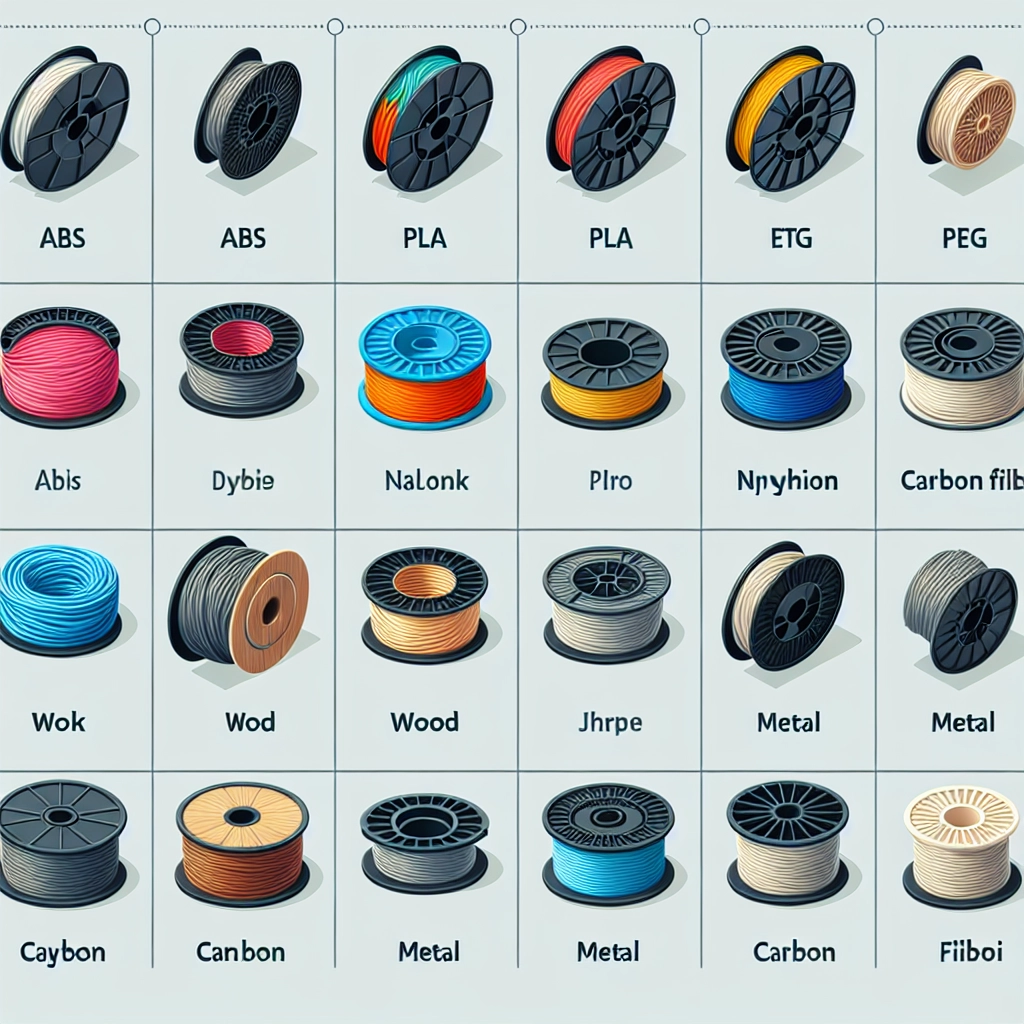

Decoding the Different Types of 3D Filaments Available
If you’re diving into the exciting world of 3D printing, understanding the types of filaments available is crucial. It’s not just about the printer; the filament you choose can greatly influence the quality and durability of your printed masterpiece. So grab your favorite drink, settle in, and let’s decode the various types of 3D filaments!
PLA: The Friendly Beginner
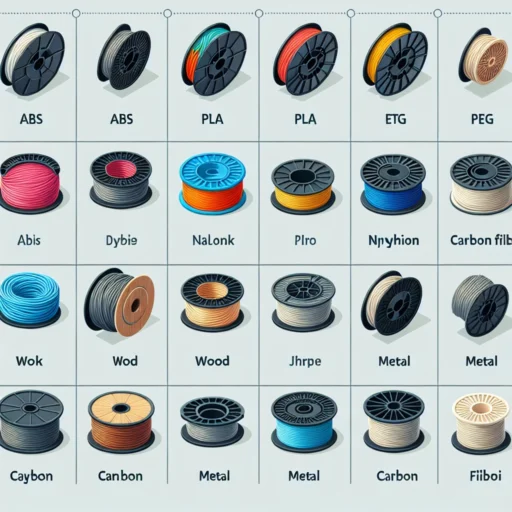
Polylactic Acid, or PLA, is often the first choice for many newcomers to 3D printing. Why? Well, it’s incredibly user-friendly! PLA is derived from renewable resources like corn starch or sugarcane, making it biodegradable and a little bit environmentally friendly.
One of the best things about PLA is its ease of use. It adheres well to the print bed, requires low temperatures (around 180-220°C), and is less prone to warping. This makes it perfect for those first few prints as you’re learning the ropes. However, while PLA is fantastic for prototypes and decorative items, it’s not the best choice for functional parts. It has lower heat resistance and can be brittle, so avoid using it in high-temperature environments.
ABS: The Tough Guy
Acrylonitrile Butadiene Styrene, or ABS, is where things start to get a bit more serious. Known for its toughness and durability, this filament is often used in creating functional parts such as mechanical components. Think of your classic LEGO bricks or car parts—yep, that’s ABS doing its thing.
The catch with ABS is that it can be a bit tricky for beginners. It requires higher printing temperatures (around 210-250°C) and is more prone to warping than PLA. A heated bed is usually necessary to keep the temperature consistent and reduce the chances of that pesky warping phenomenon. Additionally, ABS can emit fumes during printing, so good ventilation is a must. If you’re looking to create parts that need to withstand wear and tear, though, ABS might just be your best buddy.
PETG: The Best of Both Worlds
If you want a filament that combines the best properties of both PLA and ABS, then enter PETG (Polyethylene Terephthalate Glycol-Modified). This filament is like the cool hybrid of the 3D printing world—durable, flexible, and resistant to moisture. PETG is often considered food safe, making it a fantastic choice for containers or kitchen-related prints.
Printing with PETG is relatively straightforward. It generally requires a temperature range of 220-250°C and has good bed adhesion, reducing the risks of warping. However, it can be slightly stringy at times, so fine-tuning your settings can make a world of difference.
TPU: The Flexible Ninja
Got a need for flexibility? Say hello to TPU (Thermoplastic Polyurethane). Think phone cases, wearables, and any project needing a little give—TPU is your filament of choice. This material is stretchy, allowing for impressive durability without breaking.
Printing with TPU does come with its own set of challenges. It requires slower print speeds and a careful touch to avoid clogs, as it can tend to bend and jam in the extruder. If you can master the art of TPU printing, you’ll open up a new world of creative possibilities.
Nylon: The Heavyweight Champion
Last but not least is Nylon—known for its strength and flexibility. Nylon is often favored for functional parts or pieces that need to endure a lot of wear and tear, like gears or tools. However, it can be challenging to work with due to its sensitivity to moisture. If you live in a humid area, you’ll want to store it properly (consider a dehydrator) to ensure optimal results.
Nylon prints at around 240-270°C and usually requires a heated bed as well. The final prints boast incredible strength, longevity, and a smooth finish, making it worth the extra care.
Explore and Experiment!
With this brief rundown of the world of 3D filaments, you’re armed with the knowledge to make some informed decisions, whether you’re creating a delicate art piece or a robust mechanical part. The key takeaway? Don’t hesitate to explore and experiment with different filaments! Each one offers unique properties that can enhance your projects, and getting hands-on will certainly help you discover which one resonates with your style and needs.
As you venture deeper into the realm of 3D printing, remember that the journey is as exciting as the destination. So grab that filament, fire up your printer, and let your creativity soar! Happy printing!