

The Environmental Impact of 3D Printing and Sustainable Filaments
In recent years, 3D printing has burst onto the scene as one of the most exciting technologies for manufacturing and design. It offers incredible potential for creativity, customization, and efficiency. However, as with any revolutionary technology, questions have arisen about its environmental impact. So, how does 3D printing stack up when it comes to Mother Earth, and can we make it more sustainable with eco-friendly filaments? Let’s dive into the nitty-gritty!
The Basics of 3D Printing
To get a handle on the environmental footprint of 3D printing, it’s important to understand how it works. At its core, 3D printing is an additive manufacturing process where materials are layered to create objects. Unlike traditional manufacturing methods, which often cut away from a larger block of material, 3D printing builds up objects layer by layer. This can lead to less waste, as you’re using only what you need to create an item.
But let’s not get too carried away. While the potential for reduced waste is significant, there are other factors to reckon with, particularly when it comes to the materials themselves.
The Environmental Footprint of Traditional Filaments
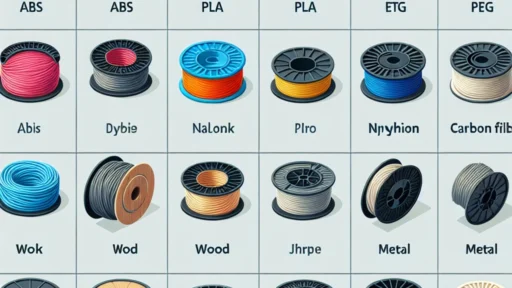
The most commonly used filaments for 3D printing include polylactic acid (PLA), acrylonitrile butadiene styrene (ABS), and nylon. Each of these materials has its own environmental implications.
-
PLA: You may have heard that PLA is touted as a more eco-friendly option since it’s derived from renewable resources like corn starch. However, the production of corn itself can lead to deforestation, pesticide use, and other environmental concerns. Plus, while PLA is compostable under specific industrial conditions, it won’t break down in a backyard compost bin.
-
ABS: This filament is more durable and suitable for high-heat applications, but it’s made from petroleum products, and the emissions produced when printing with ABS can be harmful. Just imagine the fumes swirling around your craft space!
-
Nylon: Known for its strength and versatility, this filament is also derived from fossil fuels and can lead to significant environmental damage during production processes.
The common thread here? While 3D printing has the potential to reduce waste, many of the materials currently in use are still tied to conventional, environmentally damaging industrial practices.
Sustainable Filaments: A Glimmer of Hope
The good news is that innovation doesn’t stop at your average filament! The market for sustainable 3D printing filaments is growing, and a variety of eco-friendly materials are now available.
-
Recycled Filaments: One of the most promising advancements in sustainable 3D printing is the use of recycled plastics. These filaments are made from post-consumer waste materials, like bottles and other plastic products, keeping them out of landfills and reducing the need for fresh petroleum-based materials.
-
Bio-based Filaments: Beyond PLA, new bio-based filaments are emerging that are made from agricultural waste materials, hemp, or even coffee grounds! Yes, you read that right—coffee. These materials often have lower carbon footprints and can provide a more sustainable alternative to traditional plastics.
-
Water-soluble and Edible Filaments: How about filaments you can eat? There are even filaments made from food products, like sugar or gelatin, which can be particularly appealing for culinary applications. They may not be the best choice for durable products but present exciting opportunities in the creative realm.
The Future of 3D Printing and Sustainability
As the conversation around sustainability becomes more prevalent, both consumers and manufacturers are recognizing the need for greener alternatives. Forward-thinking companies are focusing on product lifecycle management, responsible sourcing, and innovative 3D printing techniques that minimize waste and energy consumption.
It’s essential to look at the overall system, from the materials produced to the energy consumed in the printing process. Not only that, but there’s also the matter of recycling printed items. Many 3D printed objects are single-use, and finding ways to bring them back into the material cycle—either by recycling or reusing—can significantly decrease the impact.
Additionally, as more makers explore 3D printing, raising awareness of these sustainable materials can help shift the narrative around 3D printing in broader manufacturing. The more we promote the benefits of eco-friendly choices, the more we can guide consumers towards responsible use of this innovative technology.
3D printing has the potential to revolutionize manufacturing for the better, and though there are hurdles to overcome, the push for sustainable filaments and practices is a step in the right direction. With creativity, commitment, and an eco-friendly approach, we can enjoy the wonders of 3D printing while keeping our planet’s needs front and center. After all, technology should enhance our lives—without costing the Earth!