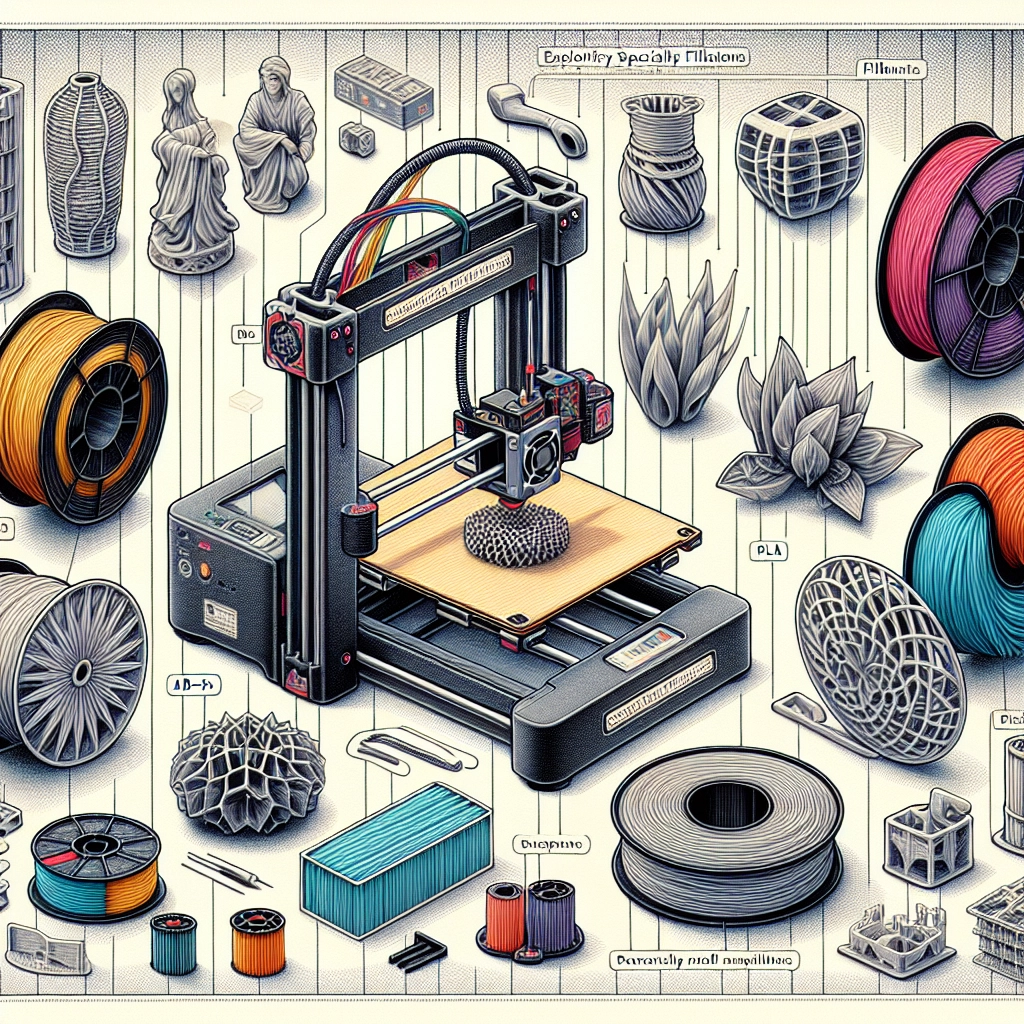

Exploring Specialty 3D Filaments: What You Need to Know
3D printing has genuinely transformed the way we create and manufacture, from prototyping to producing actual market-ready products. While traditional filaments like PLA and ABS have long held their place in the hearts of hobbyists and professionals alike, specialty 3D filaments are emerging to take the spotlight. These unique materials can extend the capabilities of your printer while introducing new possibilities for design and function. So, what do you need to know about these specialty filaments? Buckle up as we dive into the fascinating world of unique 3D printing materials!
What are Specialty Filaments?
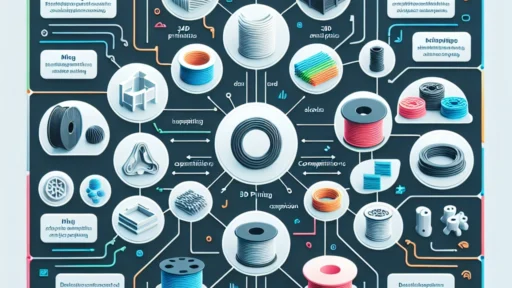
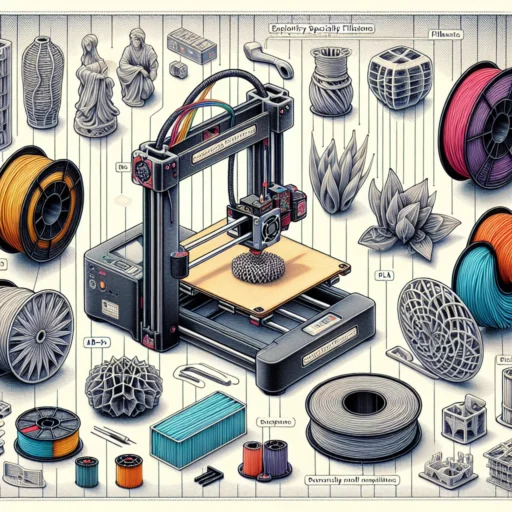
Specialty filaments are basically any 3D printing filaments that fall outside the standard offerings. While PLA (Polylactic Acid) and ABS (Acrylonitrile Butadiene Styrene) have their advantages, specialty filaments open up additional benefits and functionalities. They can include materials designed for specific applications, blend various properties, or have unique appearances. Examples include flexible filaments, composite filaments infused with materials like carbon fiber or metal, and even filaments that produce stunning visual effects.
Types of Specialty Filaments
Let’s explore a few popular types of specialty filaments that are making waves in the 3D printing community:
1. Flexible Filaments (TPU and TPE)
If you’ve ever wanted to print something soft and cushiony, flexible filaments like Thermoplastic Polyurethane (TPU) or Thermoplastic Elastomer (TPE) might be your best friends. These materials are great for creating items like phone cases, wearable devices, and even toys. They can stretch and bend without breaking, which makes their use both versatile and practical. The key to working with these filaments is to ensure your printer has a direct drive extruder; Bowden setups can struggle with flexibility.
2. Composite Filaments
Imagine combining the strength of carbon fiber with the ease of 3D printing—welcome to the world of composite filaments! Filaments infused with materials like carbon fiber, wood, or even metal provide enhanced strength, durability, and aesthetic qualities. For instance, carbon fiber-infused filament can produce parts that are two to three times stronger than regular filaments while remaining lightweight. However, it’s worth noting that printing with composite filaments often requires a hardened nozzle due to the abrasive nature of the materials.
3. High-Temperature Filaments
If you’re looking to create components that must withstand heat or harsher environments, high-temperature filaments like Polyether Ether Ketone (PEEK) or Ultem (PEI) are specifically designed for that. These thermoplastics can handle temperatures that would melt standard filaments, making them ideal for applications in aerospace, automotive, or even medical devices. Just be prepared—printing with these materials generally requires a specialized printer with an all-metal hotend and a heated chamber.
4. Glow-in-the-Dark and Color-Changing Filaments
For those of us who love a little flair in our prints, glow-in-the-dark and color-changing filaments can be incredibly fun! These specialty filaments are often made by adding phosphorescent pigments or thermochromic materials to standard filaments. It’s perfect for creating unique decorative items, toys, and cosplay props that light up or shift colors with temperature changes. Creativity can go wild here, but do keep in mind that the final prints might not have the same structural properties as more traditional materials.
5. Bio-Based and Eco-Friendly Filaments
In our eco-conscious world, finding sustainable options is more important than ever. Companies have developed bio-based filaments made from materials like algae or even recycled plastics. These are designed to decompose more efficiently than regular plastics, making them a fantastic choice for environmentally-minded makers. If you’re keen on reducing your carbon footprint through your 3D printing hobby, giving these filaments a spin could be an excellent way to do just that.
Considerations Before Starting
Before diving into specialty 3D filaments, it’s essential to consider your printer’s specifications. Not all printers are created equal, and some materials require unique settings such as temperature adjustments, special nozzles, or heated beds. Also, take stock of your storage situation! Specialty filaments often need to be stored in dry conditions to prevent moisture absorption, which can lead to print failures.
So, whether you’re looking to make practical items that can bend and stretch, or creating unique artistic masterpieces, specialty filaments can elevate your 3D printing experience. With a little experimentation and an open mind, you can unlock new dimensions (pun intended!) in your designs and projects. Happy printing!