
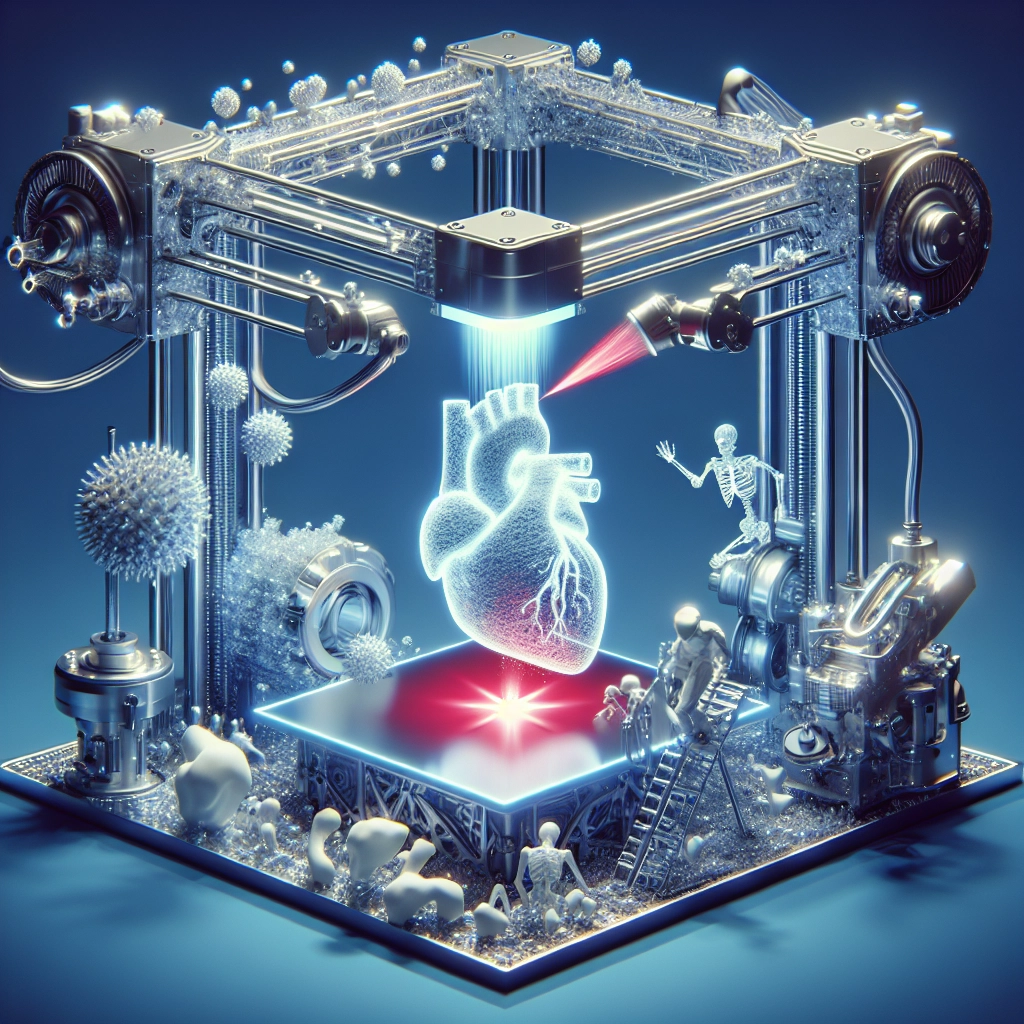

The Future of 3D Printing in Healthcare: Opportunities and Innovations
If you’ve ever marveled at your favorite sci-fi movie, you might remember the sensational tech that makes the impossible possible. Well, step aside Hollywood! The future is here, and it’s taking shape in 3D. Yes, that’s right! 3D printing, once simply an intriguing technology, is revolutionizing the healthcare industry in ways that were previously only a dream. Let’s explore the exciting opportunities and innovations that 3D printing is bringing to healthcare.
The Evolution of 3D Printing
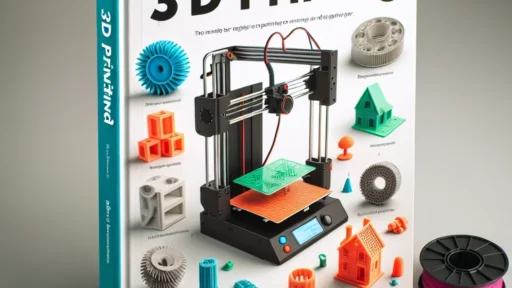
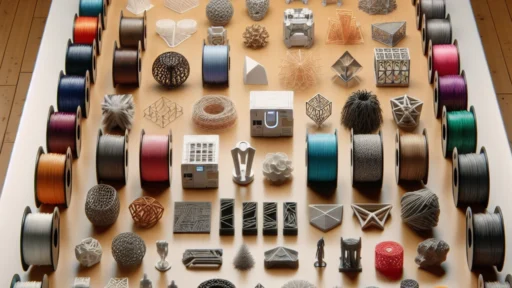
3D printing, or additive manufacturing, is not new; it has been around for decades. But over the past few years, the technology has undergone significant advancements. What used to be confined to basic plastic models is now capable of producing bio-compatible materials, complex anatomical structures, and even human tissues. So, how does this affect healthcare? The possibilities are endless!
Customization is Key
One of the standout features of 3D printing is its ability to create customized solutions tailored to individual patient needs. Imagine a patient with a unique skull shape requiring a cranial implant. Traditionally, creating an implant would involve lengthy processes and be less personalized. However, with 3D printing, doctors can easily design and fabricate implants that perfectly fit the patient’s specifications. This means improved surgical outcomes, reduced recovery times, and ultimately, happier patients!
Prosthetics and Assistive Devices
For individuals requiring prosthetics, the ordinary experience can often be uncomfortable and costly. Enter 3D printing! With its ability to create affordable and more personalized prosthetic limbs, this technology is changing lives. Designers and engineers can now craft lightweight yet robust prosthetics unique to each person’s needs, whether it’s a limb designed for an athlete or a child’s growing limb that requires regular adjustments. The potential for innovation here is astronomical, and it represents a significant decrease in cost and time compared to traditional prosthetic fabrication.
Surgical Models for Precision
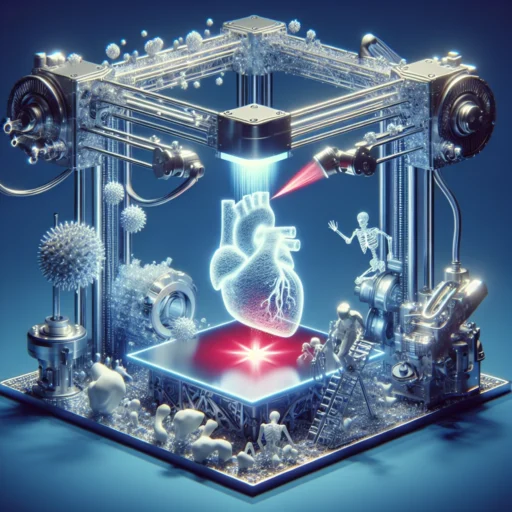
Imagine being able to hold a patient’s heart, kidney, or any other organ in your hands before performing surgery. Sounds like something out of a sci-fi flick, right? Thanks to 3D printing, surgeons can create precise replicas of their patients’ organs based on CT scans or MRIs. These models allow for enhanced planning and practice before the actual surgery. This hands-on familiarity can lead to fewer complications and better outcomes in the operating room.
Bio-printing: The Next Frontier
While we’re still a way off from printing entire organs in a lab, bio-printing is paving the way for exciting experiments. By using living cells and biodegradable materials, scientists are working toward printing tissues that can potentially replace damaged or diseased ones. Imagine a world where a kidney or liver transplant isn’t a matter of finding a suitable donor but simply a matter of printing the required organ. Researchers are making strides in this field, exploring how we might one day be able to replace or repair organs with printed tissues.
Pharmaceuticals and Drug Development
3D printing isn’t just limited to physical structures and devices; it can also influence how we produce medications. Customized medications created layer by layer based on a patient’s specifications could soon be a reality. This approach could make treatments more efficient, allowing personalized medicine to flourish by catering to individual responses rather than a one-size-fits-all solution. This innovation could particularly benefit patients with chronic illnesses who require tailored medication formulas based on their specific needs.
Overcoming Barriers
Despite its many advantages, 3D printing in healthcare has its challenges. Regulatory hurdles, the need for quality control, and ethical considerations regarding bioprinting are all topics that must be addressed to fully harness its potential. Education and collaboration between engineers, medical professionals, and regulatory bodies are crucial to navigating these issues and ensuring that 3D printing becomes a standard practice in healthcare.
In Conclusion
The future of 3D printing in healthcare is not just bright; it’s transformative. With the potential to create customized implants, revolutionize prosthetics, enhance surgical precision, and maybe even print organs, we are standing on the brink of a new era in medicine. As technological advancements continue to unfold, we can look forward to a world where healthcare is not just about treating symptoms but about personalized, innovative solutions that cater to individual needs. While the journey has just begun, the possibilities are as infinite as the layers of a 3D print.