
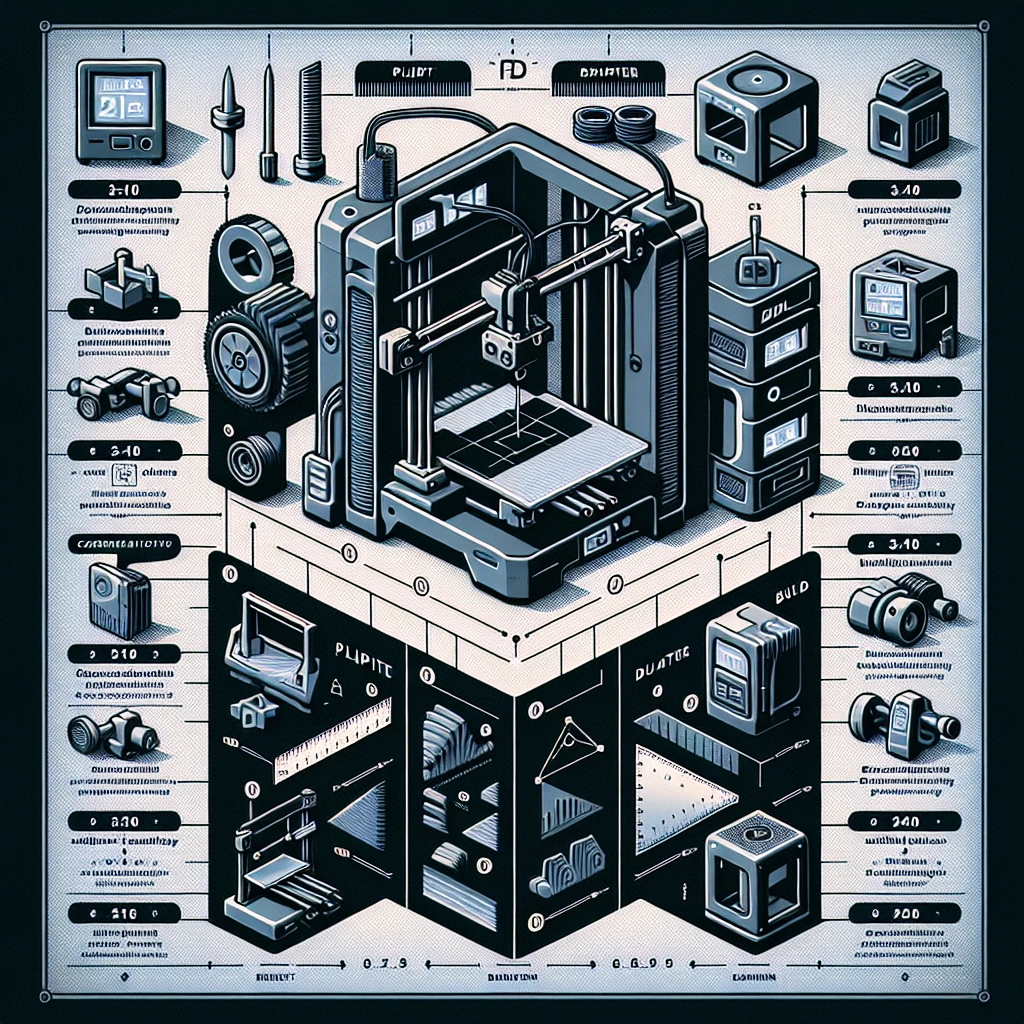

Choosing the Right 3D Printer for Your Needs
In recent years, 3D printing has transformed from a niche hobby into an accessible and versatile technology used in various fields, from prototyping in industries to crafting unique personal projects at home. If you’re considering diving into the world of 3D printing, you might find yourself overwhelmed by the multitude of options available. With different types, technologies, and price points, how do you choose the right 3D printer for your needs? Let’s break it down!
Understand Different Types of 3D Printing Technologies
The first step in selecting a 3D printer is understanding the three main technologies that power these machines: Fused Deposition Modeling (FDM), Stereolithography (SLA), and Selective Laser Sintering (SLS).
-
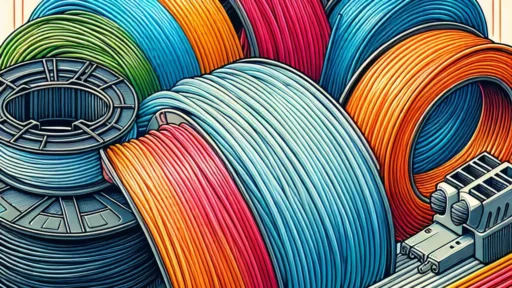
Fused Deposition Modeling (FDM): FDM printers are the most common and affordable on the market. They work by melting plastic filament and layering it to create objects. If you’re a beginner looking to create simple prototypes or hobby projects, an FDM printer could be the perfect choice.
-
Stereolithography (SLA): SLA printers use a UV light to cure liquid resin into solid layers. This technology delivers incredible detail and a smooth finish, making it ideal for intricate designs, like miniatures or jewelry. However, SLA printers generally require more cleaning and maintenance due to the resin’s messiness.
-
Selective Laser Sintering (SLS): SLS printers use powdered material and a laser to fuse particles together. This is typically a more expensive option but is excellent for creating strong and functional parts. SLS is often used in industrial applications for prototyping and manufacturing due to its reliability and accuracy.
Identify Your Purpose
Before you make your choice, clarify your primary purpose for the 3D printer. Are you looking into it for:
-
Hobby projects: If you’re planning to make toys, household items, or artistic creations, a reliable FDM printer should suffice. They are usually less expensive and easier to use, perfect for those just starting.
-
Professional prototypes: If your goal is to create functional prototypes for products in development, investing in an SLA or SLS printer might be the way to go. These technologies offer the detail and material strength you’ll need.
-
Education: In an educational setting, an FDM printer is often the best option due to its affordability and ease of use. They can handle a wide variety of materials and offer a straightforward printing process for students.
Consider Your Budget
Your budget plays a significant role in determining which printer is right for you. Low-end FDM printers can be found for under $200, while more advanced options can reach thousands of dollars. SLA and SLS printers generally start at a higher price range due to their more complex technology.
When budgeting, take into account not just the initial cost of the printer but also recurrent costs like filament, resin, or maintenance tools. You don’t want to find a printer that fits your budget only to discover ongoing costs push your total way over what you anticipated.
Evaluate Print Volume and Size Requirements
Depending on what you want to print, the size of the build plate is crucial. If you plan on crafting larger items or multiple parts in one go, look for a printer with a larger print volume. On the other hand, if you’re focused on smaller, detailed designs, a more compact printer will work just fine.
Research and Read Reviews
Research is your best friend when it comes to choosing a 3D printer. Check online forums, product reviews, and YouTube channels that offer unboxing and setup experiences. An informed user’s perspective can give you insights that specs alone may not cover.
Ease of Use and Support
If you’re new to 3D printing, you might want to prioritize printers that come with a user-friendly interface and solid support resources. Look for models that have community forums, strong customer service, and instructional content to help you get started and troubleshoot any issues that arise.
Final Thoughts
Choosing the right 3D printer isn’t necessarily about picking the most advanced model; it’s about finding the one that fits your specific needs and budget. Take your time, research thoroughly, and don’t hesitate to reach out to fellow enthusiasts online to gather insights. With a bit of diligence, you’ll find a 3D printer that not only meets your expectations but also opens up a world of creative possibilities. Happy printing!