
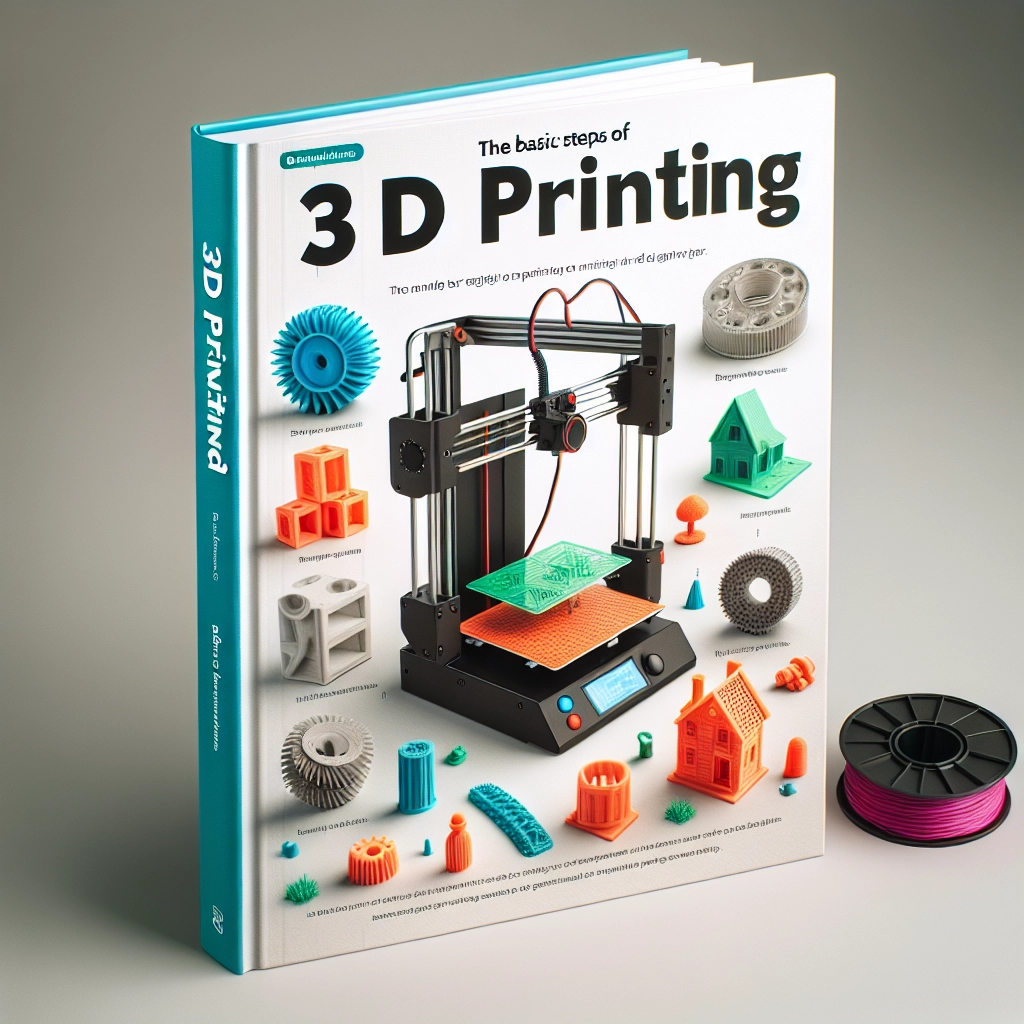

Getting Started with 3D Printing: A Beginner’s Guide
If you’ve ever marveled at the intricate models or custom gadgets that seem to appear out of thin air, you’ve likely stumbled upon the fascinating world of 3D printing. This tech isn’t just for industrial projects or tech whizzes anymore—it’s accessible, creative, and downright exciting. Whether you’re thinking of printing your first small project or dive headfirst into a hobby that’s all the rage, let’s explore how you can get started with 3D printing.
Understanding the Basics
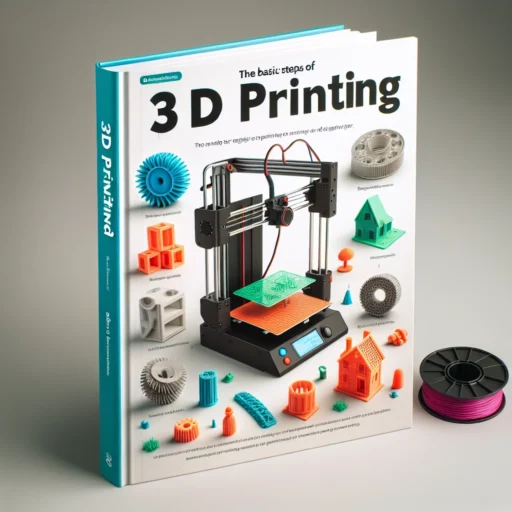
At its core, 3D printing, or additive manufacturing, involves creating a three-dimensional object from a digital file. The process systematically adds material (usually plastic, resin, or metal) layer by layer until a solid structure emerges. Sounds pretty neat, right? But before you jump into the whirring machines and colorful filaments, it’s crucial to familiarize yourself with a few key concepts.
-
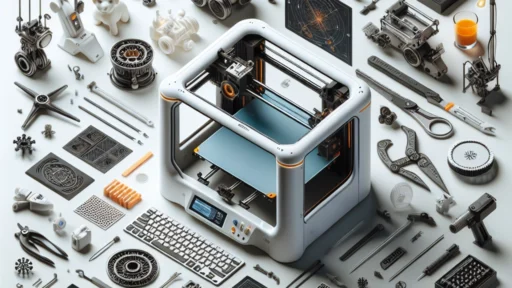
Types of 3D Printers: There are several types, but the most common for beginners is Fused Deposition Modeling (FDM). These printers melt plastic filaments and extrude them into shape. There are also Stereolithography (SLA) printers that use resins cured by lasers, and Selective Laser Sintering (SLS) printers that use powdered materials. For beginners, FDM is often the most straightforward choice.
-
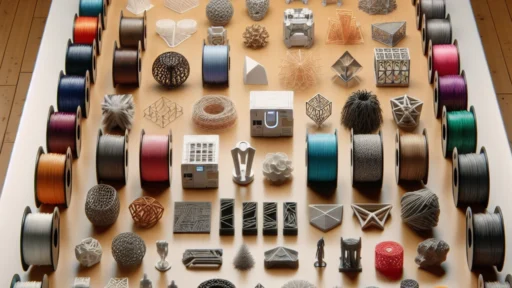
Materials: The materials you choose can impact your prints significantly. PLA (Polylactic Acid) is a popular entry-point filament. It’s user-friendly, biodegradable, and comes in a myriad of colors. As you grow more comfortable, you might experiment with PETG or even specialty filaments like flexible or filament infused with wood or metal.
-
Software: You might hear a lot of talk about software when it comes to 3D printing, and it’s true that choosing the right software can make a world of difference. Tinkercad is a fantastic starting point for beginners; it’s browser-based and quite intuitive. If you’re looking for something a bit more advanced as you get your feet wet, try software like Blender or Fusion 360.
Setting Up Your Workspace
Before you fire up that printer, it’s wise to carve out a dedicated space in your home. Keep dust, food, and clutter away from your workspace, as these can interfere with your prints. Make sure your area is well-ventilated and you can comfortably work at your equipment.
You might also want to invest in some essential tools, such as a pair of tweezers, a spatula for removing prints, and safety goggles if you’re using resin.
Choosing Your First Project
Here’s where the fun really kicks in! It might be tempting to shoot for that intricate dragon sculpture or custom phone case right out of the gate, but starting simple can make a big difference in your learning curve. Here are a couple of ideas for your first projects:
- Keychains: A small keychain allows you to test your printer while creating something you’ll actually use.
- Simple Phone Stand: Design a straightforward stand that helps keep your device handy while charging.
Once you’ve mastered the small stuff, feel free to explore more complex projects as your skills increase. Websites like Thingiverse are a treasure trove for inspiration where you can find free designs created by other users.
Troubleshooting Common Issues
As with any new hobby, challenges will arise, and it’s entirely normal! Here are a few common issues you might encounter:
-
Prints Not Sticking: If your print isn’t adhering to the build plate, try leveling the bed and ensuring it’s clean. Sometimes, using a glue stick or painter’s tape helps the filament stick better.
-
Stringing: If you notice little strands of filament connecting parts of your print, lowering the print temperature or adjusting the retraction settings can help.
-
Layer Misalignment: This can be due to mechanical issues or an unlevel print bed. Taking the time to calibrate your printer and ensuring everything is tight will pay off.
Join the Community
One of the best things about 3D printing is the vibrant community that surrounds it. Online forums, social media groups, and local maker spaces are excellent resources where you can ask questions, share your progress, and find support. You’ll find endless inspiration from fellow enthusiasts, and who knows? You might just make some friends along the way!
3D printing is as much about the journey as it is about the end product. With patience and a willingness to learn, you’ll soon find that the joy of creating something from nothing is incredibly rewarding. So grab that filament, fire up your printer, and let your imagination run wild. Who knows what amazing things you’ll create? Happy printing!