


The Future of 3D Printing: Trends to Watch
If you’ve ever marveled at the idea of printing an object layer by layer right from your computer, then you’re already on the exciting wave of 3D printing technology. This remarkable innovation is transforming industries, sparking creativity, and stirring up our imaginations. As we look to the future, a handful of trends are emerging that will drive this technology forward and reshape how we think about manufacturing, design, and sustainability.
Sustainable Manufacturing
Sustainability is the name of the game these days, and 3D printing is stepping up to meet the challenge. Traditional manufacturing often involves subtracting material from larger blocks; this can lead to a shocking amount of waste. However, 3D printing, or additive manufacturing, only uses the material needed to create the object, minimizing excess.
You can expect an increase in the use of biodegradable materials and recycled plastics in the years to come. New research is already being conducted into bio-based materials that can reduce the carbon footprint of 3D-printed products. As consumers become more eco-conscious, brands that leverage these sustainable practices will likely gain a competitive edge.
Customization and Personalization
Imagine ordering a customized phone case that fits your unique style or having a pair of shoes designed to hug your feet perfectly. The future of 3D printing is all about personalization, and it’s already starting to impact industries ranging from fashion to healthcare.
As the technology advances, we’ll see even greater capabilities for customization. Companies may offer bespoke products where customers can choose colors, shapes, and features, all tailored to their specifications. In healthcare, doctors could create prosthetics that fit each patient’s body perfectly, improving comfort and functionality. This shift toward personalization not only enhances user experience but also builds a stronger connection between the product and its consumer.
Expanding to New Materials
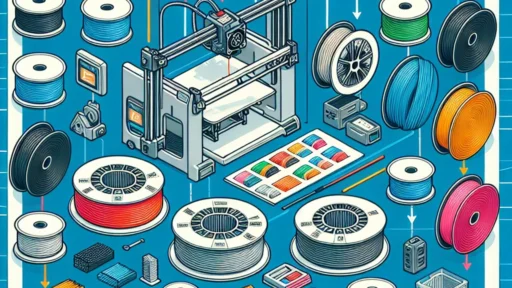
While plastics have dominated the 3D printing landscape, the future promises an exciting array of new materials. From metal to ceramics and even food, we’re tapping into different resources to print an even broader range of items.
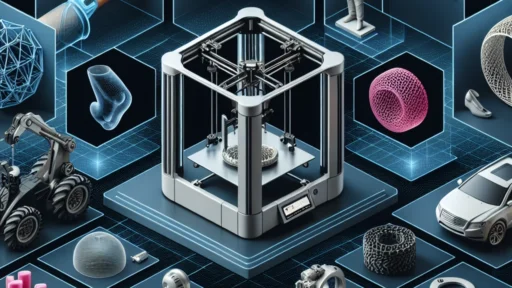
For instance, the automotive and aerospace industries are exploring the use of metal 3D printing to create complex components that are both lightweight and strong. In architecture, we are beginning to see companies 3D print entire buildings or design frameworks using concrete and other advanced materials. This material expansion will open up new possibilities for industries and redefine what’s achievable through 3D printing.
Advances in Technology
As technology develops, so does 3D printing itself. We’re seeing incredible innovations in speed, printing techniques, and automation. Companies are working on faster printers that significantly reduce production time, allowing them to keep up with market demands. Moreover, automation will play a huge role, especially in high-volume manufacturing settings.
Hybrid manufacturing techniques, which combine traditional and additive processes, are gaining traction. This can allow for unique designs that were previously thought impossible, merging functionality with artistry.
Integration with Artificial Intelligence
AI is making waves across the tech landscape, and it’s bound to revolutionize 3D printing too. Imagine printers that can learn from mistakes, optimize designs for efficiency, or even predict when maintenance is needed. By integrating AI with 3D printing, we could see a reduction in production costs and time while simultaneously improving quality.
Furthermore, AI can help create more complex geometries and optimize material use. It opens the door to smarter design processes, making it easier for businesses and creators to innovate.
Conclusion: A World of Possibilities
As we peer into the future of 3D printing, it’s clear that we’re only scratching the surface of its potential. The trends we’re witnessing today are just the tip of the iceberg—a remarkable journey where creativity meets technology. From eco-friendly innovations to personalized products and smarter manufacturing, the next phase of 3D printing promises to be incredibly exciting.
As industries adapt and consumers embrace these advancements, we might find ourselves in a world where almost anything is possible to create right from our homes or factories. Who knows? The next groundbreaking invention could very well be made on a 3D printer in someone’s garage. While we can only speculate on what’s to come, one thing is for sure: the future of 3D printing looks bright, exciting, and full of endless possibilities!